The short version
- The defense argues the previous mistrial was unnecessary and that investigating the dissenting juror would have avoided a hung jury without violating legal protections.
- Prosecutors contend that double jeopardy does not prevent them from seeking justice for the victims and oppose singling out one juror for questioning.
- A dispute over a proposed gag order highlights tensions between the defense's media strategy and the prosecution's desire to limit extrajudicial commentary.
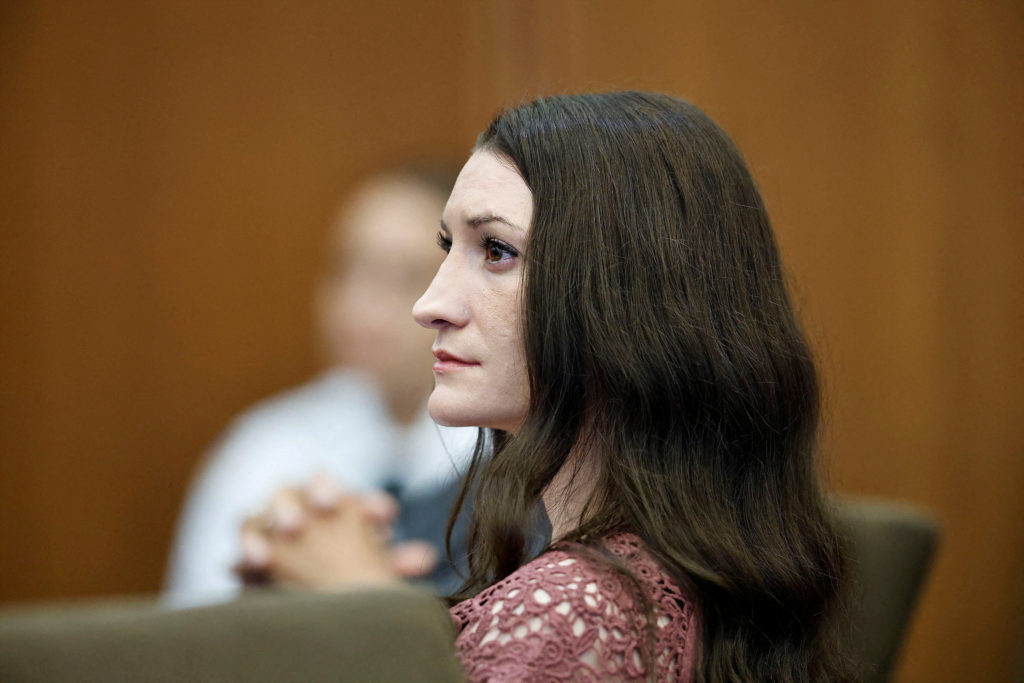
Lindsay Clancy appeared in a Massachusetts courtroom on Monday, marking her second judicial appearance since a jury failed to reach a verdict in her murder trial last September. The hearing centers on critical procedural motions that could determine whether the case proceeds to a new trial, is dismissed entirely, or results in reduced charges. Prosecutors have not yet declared their intentions regarding a retrial, leaving open the possibility of pursuing first-degree murder convictions again, seeking lesser offenses such as second-degree murder or manslaughter, or abandoning the prosecution altogether.
The primary focus of the proceedings involves a defense motion to dismiss the charges based on double jeopardy protections. Legal representatives for Clancy argue that the court should not have declared a mistrial when the jury deadlocked. Instead, they contend that Judge William Sullivan could have questioned the lone holdout juror, Michael Desronvil, or the jury foreperson about reports that Desronvil refused to adhere to instructions regarding reasonable doubt. The defense maintains that such an inquiry might have led to the removal of the dissenting juror, thereby allowing the remaining jurors to reach a verdict without invoking the legal complexities of a mistrial.
Desronvil has stated publicly since the trial concluded that he was certain of Clancy’s guilt but felt his views were ignored by other jurors. The defense suggests that addressing this specific dynamic during deliberations would have resolved the impasse without compromising the integrity of the process. By framing the mistrial as an avoidable outcome, the defense seeks to establish that a second trial would violate constitutional protections against being tried twice for the same offense.
Prosecutors strongly oppose this interpretation, arguing that double jeopardy does not bar the Commonwealth from pursuing justice on behalf of the three victims. In their motion to dismiss the defense’s request, prosecutors assert that investigating Desronvil was unnecessary because the complaint from the foreperson did not allege personal bias or external influences attributable to the dissenting juror. They warn that singling out one juror for scrutiny would constitute judicial coercion and an impermissible intrusion into the private deliberations of the jury, which are protected by law.
The case stems from events in 2023 when Clancy killed her three young children. She has never disputed her role in their deaths but maintains through her legal team that she suffered from postpartum psychosis at the time, rendering her unable to control her behavior. Prosecutors acknowledge Clancy’s mental health struggles but argue that she acted deliberately and understood the wrongfulness of her actions. This fundamental disagreement over culpability remains central to the case, even as procedural questions take precedence in the current hearing.
In addition to the double jeopardy motion, the court is expected to address a request from the Commonwealth for a gag order. Prosecutors are seeking to bar attorneys and their supporters from making extrajudicial statements to the media that could materially prejudice the criminal proceeding. This request comes after Clancy’s attorney, Kevin Reddington, conducted numerous interviews and held daily walking news conferences during the trial proceedings. In contrast, prosecutors maintained a strict policy of not speaking to reporters throughout the initial trial.
Clancy’s legal team has pushed back against the proposed gag order, characterizing it as prior restraint on speech. Laura McConnell, an attorney hired by the defense, argued that the government bears a heavy burden to justify such restrictions, particularly when there is no active jury and no set trial date. She emphasized that the motion should be denied because it attempts to suppress speech before it occurs in the absence of immediate prejudice to an ongoing trial.
The outcome of Monday’s hearing will likely shape the next phase of a case that has drawn significant public attention. If the judge denies the motion to dismiss, prosecutors may proceed with a retrial or negotiate plea agreements involving lesser charges. If the motion is granted, the case could end without a new trial. The decision will also clarify the extent to which defense attorneys can communicate publicly about high-profile criminal cases in Massachusetts.
Judge Sullivan’s ruling will need to balance the rights of the accused against the state’s interest in prosecuting serious crimes. The double jeopardy argument presents a complex legal question regarding when a mistrial is truly necessary versus when alternative measures could preserve the trial’s continuity. Meanwhile, the gag order dispute underscores the tension between transparency in the justice system and the need to ensure fair proceedings free from media influence.
As the hearing concludes, all parties await the judge’s determination on these pivotal motions. The resolution will not only affect Clancy’s legal standing but also set precedents for how similar cases involving hung juries and public commentary are handled in Massachusetts courts. The community remains focused on the court’s decision as it seeks clarity on the path forward.
Sources behind this briefing
Go to the original reporting
- PBS NewsHour↗WATCH LIVE: Lindsay Clancy returns to court with question of retrial uncertain


