The short version
- Former Vice President Jewel Howard-Taylor was detained at Monrovia’s airport and charged with drug trafficking, money laundering, and related offenses.
- The arrest is part of a broader government effort to dismantle transnational drug networks, including three foreign nationals charged in absentia.
- President Joseph Boakai has prioritized anti-corruption measures and preventing Liberia from becoming a hub for illicit trade following the previous administration.
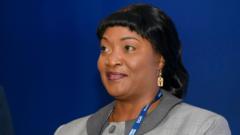
Liberian authorities have formally charged former Vice President Jewel Howard-Taylor with drug trafficking, money laundering, and several other criminal offenses. The Justice Ministry announced the charges after detaining Howard-Taylor at Roberts International Airport in Monrovia. She was apprehended just before boarding a flight to leave the country. Following her detention, she was transferred to national police headquarters. As of the latest reports, Howard-Taylor has not issued any public statements regarding the allegations or her legal situation.
Howard-Taylor served as vice president for six years, from 2018 until 2024, under former President George Weah. Her administration faced persistent allegations of corruption and financial mismanagement throughout its tenure. The current government, led by President Joseph Boakai, has made a decisive break from those practices. Boakai pledged to aggressively combat corruption upon taking office. He has also emphasized the need to prevent Liberia from becoming a safe haven for international criminal enterprises.
The charges against Howard-Taylor include accusations of illegally importing, selling, and transporting controlled substances. Authorities allege she played a key role in facilitating drug trafficking operations. This case represents a significant escalation in Liberia’s efforts to combat transnational crime. The government has launched a major crackdown on drug trades in recent years, with a particular focus on cocaine trafficking. West Africa has increasingly emerged as a vital transit route for cocaine moving from South America to Europe.
Law enforcement officials have indicated that they are targeting every layer of the drug-trafficking network. This includes organizers, facilitators, and financiers involved in the illicit trade. In connection with Howard-Taylor’s case, police have charged three foreign nationals in absentia. The individuals include two Croatians and one Ukrainian. Authorities accuse these foreigners of being part of the same criminal network as the former vice president. Liberian officials have stated they are determined to apprehend these suspects.
The timing of this arrest coincides with a series of significant drug seizures in Liberia. In recent months, officials have conducted multiple operations that resulted in some of the largest confiscations in the country’s history. These seizures underscore the scale of the trafficking problem facing the nation. The government’s strategy appears to be shifting from merely intercepting shipments to dismantling the high-level structures that enable such trade.
President Boakai has been vocal about his intolerance for corruption and illicit activities. He has warned against seeking political favors, signaling a stricter enforcement environment. The administration’s focus on drug trafficking aligns with broader regional concerns about West Africa’s role in global narcotics supply chains. By targeting a former high-ranking official, the government is sending a clear message that no one is above the law.
The case highlights the complex intersection of politics and crime in Liberia. Howard-Taylor’s detention at the airport suggests authorities had been monitoring her movements closely. The involvement of foreign nationals points to the international nature of the network under investigation. While details about the specific operations remain limited, the charges indicate a coordinated effort by multiple actors.
As the legal proceedings unfold, attention will likely turn to the broader implications for Liberia’s governance and security. The government’s ability to prosecute high-profile figures will be tested. International partners may also take note of Liberia’s commitment to disrupting drug trafficking routes. The outcome of this case could set a precedent for future anti-corruption and anti-drug efforts in the region.
Observers will watch how the justice system handles the charges against Howard-Taylor and her alleged associates. The transparency of the trial process will be crucial for maintaining public trust. If successful, this crackdown could significantly reduce Liberia’s vulnerability to transnational crime. However, challenges remain in fully eradicating deep-rooted networks that have operated with impunity for years.
The arrest marks a pivotal moment in Liberia’s post-conflict political landscape. It reflects a new administration’s determination to address systemic issues left by its predecessors. Whether this leads to lasting reform or faces resistance from entrenched interests remains to be seen. For now, the focus is on the legal process and the pursuit of justice for alleged crimes.
Sources behind this briefing
Go to the original reporting
- BBC World↗Former Liberian vice president charged in drug-trafficking probe

