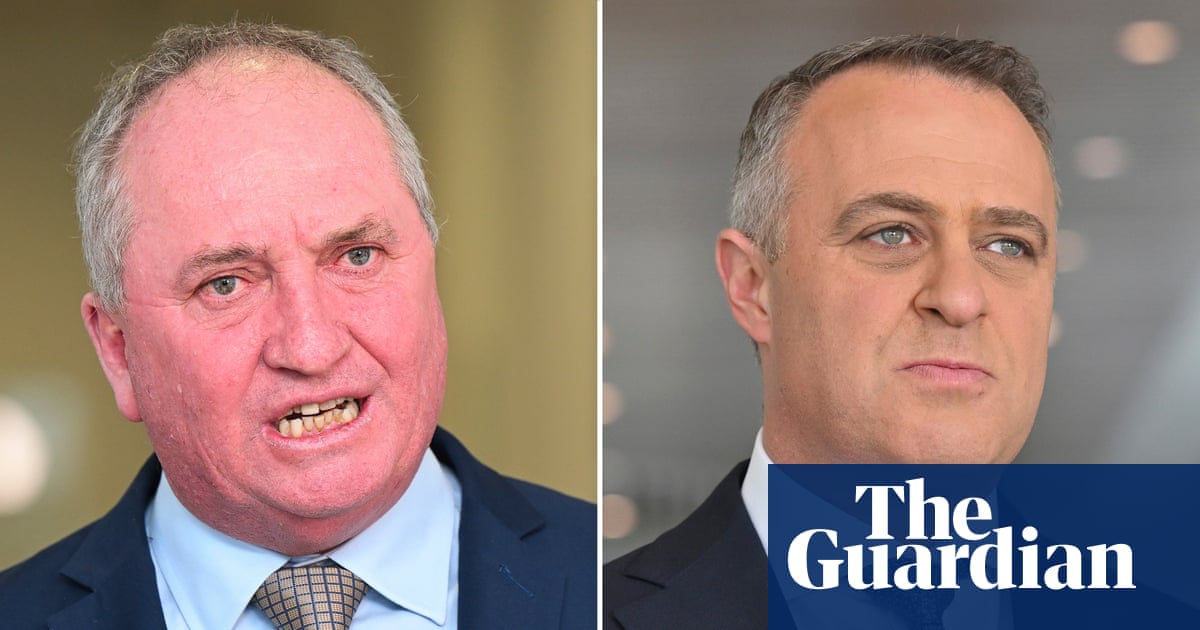
The short version
- Barnaby Joyce claimed he had discussed a potential minority government arrangement with senior Liberals, but opposition leader Angus Taylor denied any such conversations took place.
- Liberal MPs characterized the allegations as imaginary and suggested Joyce is experiencing buyer’s remorse after leaving the Nationals for One Nation.
- While some Liberal factions remain open to informal cooperation, the party leadership has ruled out formal coalition talks with Hanson’s group ahead of the 2028 election.
Tensions within Australia’s conservative political landscape intensified this week after Barnaby Joyce asserted that he had engaged in discussions with senior Liberal Party members regarding a potential supply and confidence agreement. The former Nationals minister, who defected to Pauline Hanson’s One Nation party in December, suggested on Tuesday evening that these talks were aimed at establishing a pathway for the Coalition to form a minority government following the next federal election. His claims immediately triggered a sharp rebuttal from within his former political home, with senior Liberal figures dismissing the narrative as entirely fabricated and motivated by personal regret over his recent party switch.
Joyce outlined a specific vision for how such an arrangement might function, stating that One Nation would offer support to the Coalition on the condition that their policy priorities were clearly acknowledged and integrated into legislative processes. He emphasized the need for stability in government, arguing that whoever holds power should be given the best opportunity to govern effectively. Joyce further indicated that if One Nation were to win more seats than the Coalition, he expected a reciprocal deal, highlighting his desire for mutual respect and clear policy outcomes regardless of which party leads.
Opposition leader Angus Taylor swiftly denied any involvement in such negotiations during a campaign stop in New South Wales on Wednesday. He stated unequivocally that no conversations had taken place and that he had not authorized anyone else to engage in talks on his behalf. Taylor’s denial was absolute, leaving no room for ambiguity regarding the official stance of the Liberal leadership. This direct contradiction from the top of the party hierarchy effectively neutralized Joyce’s attempt to position himself as a key broker in potential post-election negotiations.
The reaction from other senior Liberals was equally dismissive and often personal. Shadow Treasurer Tim Wilson described the alleged talks as a figment of Joyce’s imagination, suggesting that the former National was suffering from post-purchase dissonance after moving to a party where he no longer holds significant influence. Wilson criticized Joyce for breaking previous promises to his electorate and his former party leaders, framing the current assertions as an attempt to salvage relevance rather than a genuine political strategy. This characterization painted Joyce’s actions as driven by ego rather than substantive policy goals.
Deputy Leader Jane Hume echoed these sentiments, telling reporters that she did not know who Joyce might have spoken to and described his claims as clutching at straws. She expressed uncertainty about Joyce’s motives but suggested that his behavior stemmed from regret over leaving the Nationals. Hume emphasized that the Coalition’s primary focus remains on defeating the Labor government led by Anthony Albanese, rather than engaging in complex negotiations with One Nation. Her comments reinforced the party’s unified front against any suggestion of formal alignment with Hanson’s group.
Despite the strong rejection from leadership, there are nuanced differences within the Liberal Party regarding how to handle One Nation. Some members, including South Australian power broker Alex Antic, have urged colleagues to work closely with Hanson’s party, recognizing the potential electoral impact of her movement. However, this internal debate has not translated into official policy or public engagement. The Coalition has ruled out a formal coalition agreement but has left open the possibility of governing in minority with informal guarantees from One Nation that they would not vote against government bills. This distinction highlights the delicate balance between ideological purity and practical governance.
Joyce’s refusal to name specific Liberals he allegedly spoke to further undermined his credibility. When pressed on whether discussions had occurred with Taylor or shadow ministers like Matt Canavan, Joyce declined to provide details. This lack of transparency allowed critics to dismiss his claims as baseless speculation. The absence of corroborating evidence from any Liberal MP meant that the narrative remained entirely one-sided, relying solely on Joyce’s word against the collective denial of the opposition leadership.
The incident underscores the ongoing fragmentation within Australia’s right-wing politics. As the 2028 election approaches, the Coalition faces pressure to present a united front while navigating the disruptive influence of One Nation. Joyce’s defection and subsequent attempts to negotiate from his new position have created additional complexity for Liberal strategists. While some see potential in leveraging One Nation’s support, others view any engagement as legitimizing a party they consider ideologically incompatible. This tension is likely to persist as both parties maneuver for advantage in the coming electoral cycle.
Looking ahead, the immediate impact of Joyce’s claims appears limited, given the swift and unified rejection by Liberal leadership. However, the episode highlights the challenges of maintaining discipline within a coalition that spans multiple parties with differing priorities. For One Nation, the failure to secure any acknowledgment of talks may reinforce their outsider status, while for the Liberals, it serves as a reminder of the need to manage internal dissent and external pressures carefully. The focus now shifts back to the broader campaign against Labor, with both sides preparing for a contest that will likely be defined by economic policy and social issues rather than minor party alliances.
As political analysts observe these developments, the key question remains whether One Nation can translate its grassroots support into tangible parliamentary influence. Joyce’s attempt to position himself as a kingmaker has been rebuffed, but the underlying dynamics of minority government possibilities remain relevant. The Liberal Party’s stance suggests they are unwilling to compromise their principles for short-term gains, even if it means facing a hung parliament. This strategic choice will shape the political landscape in the lead-up to the next election, influencing voter perceptions and party strategies alike.
Sources behind this briefing
Go to the original reporting
- The Guardian World↗Senior Liberals rubbish Barnaby Joyce’s claim of talks over deal with One Nation as ‘figment of his imagination’

