The short version
- Liberal Democrat president Josh Babarinde is advocating for a more confrontational stance against large technology firms and cryptocurrency investors.
- The party faces a strategic challenge as it remains stuck at approximately eleven percent in opinion polls despite recent electoral gains.
- Babarinde emphasizes the need to expand beyond traditional strongholds through improved digital campaigning while maintaining ground-level engagement.
The Liberal Democrats are gathering in Brighton for their annual conference with a renewed focus on challenging powerful economic entities, particularly large technology companies and cryptocurrency investors. Party president Josh Babarinde has adopted a combative tone, urging members to disrupt the status quo by targeting what he describes as modern giants that hinder public prosperity. This shift represents a departure from the party’s traditionally moderate image, as Babarinde calls for a strategy that returns power and financial resources to ordinary citizens.
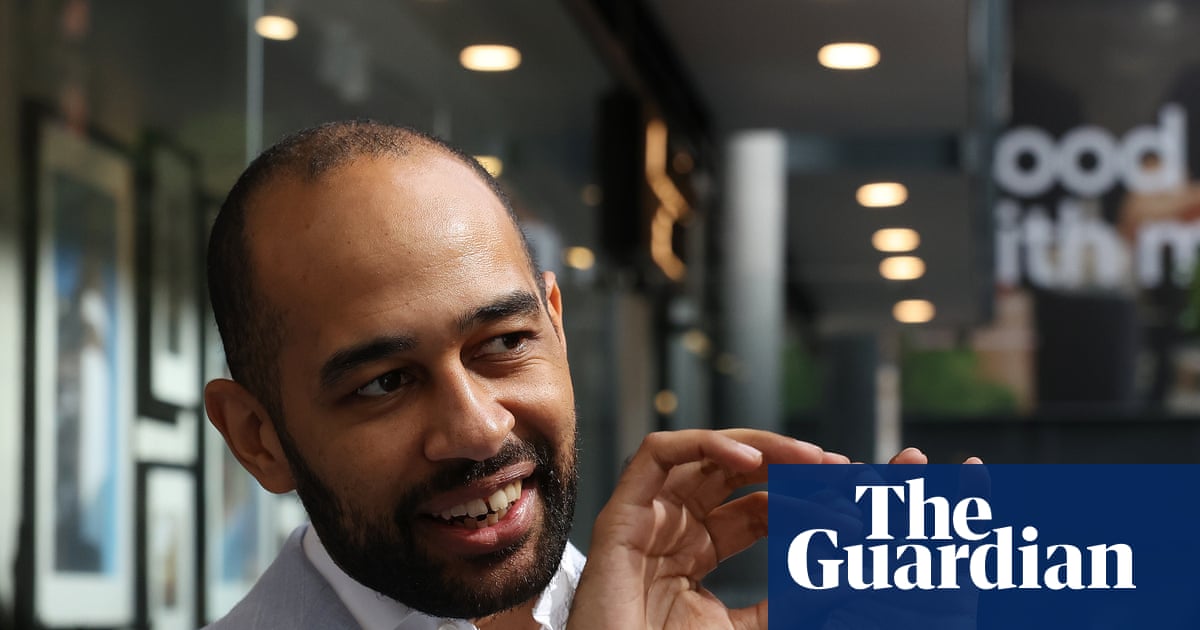
Babarinde, who serves as the member of parliament for Eastbourne, framed his argument during a visit to Toynbee Hall in London’s East End. He drew parallels between contemporary challenges and the social reforms advocated by William Beveridge, a foundational figure in liberal thought. While Beveridge focused on eliminating want, disease, ignorance, squalor, and idleness, Babarinde argues that today’s obstacles include unchecked corporate influence in the digital economy. He suggested that the party must actively oppose these forces to fulfill its mandate.
Despite this energetic rhetoric, the Liberal Democrats face significant hurdles in translating their message into broader electoral support. The party secured seventy-one seats in the 2024 general election and made gains in local council elections earlier this year, including one hundred fifty-three positions in England and six seats in the Scottish parliament. However, these advances were modest compared to those achieved by rival parties such as the Greens and Reform UK. More critically, national polling has remained stagnant at around eleven percent for several months.
The leadership of Ed Davey has also drawn criticism within the party ranks for failing to capture sustained media attention. Some members have expressed frustration that rival figures attract coverage with minimal effort, while Davey resorts to unconventional publicity stunts like bungee jumping to remain visible. Babarinde acknowledged the crowded nature of the current political landscape but insisted that the Liberal Democrats should not mimic the sensationalist tactics employed by competitors. Instead, he emphasized the importance of clear policy diagnoses and actionable solutions.
Babarinde dismissed concerns that the party lacks compelling policies, asserting that there is an abundance of retail-friendly proposals available. His primary concern lies in communication and outreach. He argued that the Liberal Democrats must strengthen their digital campaigning capabilities to match their renowned ground game. This dual approach aims to extend the party’s reach beyond its established base in middle England, engaging voters who may not traditionally align with liberal democratic values.
The president’s background informs his strategic perspective. Babarinde has spoken publicly about how his mother’s experience with domestic abuse shaped his political views. He founded a social enterprise over a decade ago that provided smartphone repair services staffed by former offenders and at-risk youth, an initiative that earned him an Order of the British Empire. This experience gave him insight into engaging marginalized communities and leveraging individual skills for social benefit.
During his time in London’s East End, Babarinde observed how small interventions could restore dignity and opportunity to individuals often overlooked by mainstream society. He recounted seeing young people gain confidence when their technical skills were valued and compensated. This anecdote underscored his belief that practical solutions can address systemic issues more effectively than abstract political posturing. He views this hands-on approach as a model for the party’s broader strategy.
Although Babarinde was elected to parliament in 2024, he was elevated to the role of party president in November, granting him substantial influence over organizational strategy. When asked about his ambitions for the top leadership position, he deflected the question but affirmed his commitment to driving change. He described himself as someone who prefers direct action and problem-solving, citing his early career initiatives as evidence of this tendency.
The path forward for the Liberal Democrats hinges on whether Babarinde’s proposed strategy can break through the current polling plateau. The party must balance its desire for aggressive messaging with the need to maintain its identity as a pragmatic alternative in a fragmented political system. Success will depend on effectively communicating their policies to new audiences while retaining the support of their existing base.
As the conference continues, attention will focus on how these strategic discussions translate into concrete actions. The Liberal Democrats aim to present themselves as a viable force capable of challenging both major parties and emerging rivals. Their ability to do so will likely determine whether they can increase their share of the vote in future elections or remain confined to their current position.
Sources behind this briefing
Go to the original reporting
- The Guardian World↗‘Flip the table and rise up’: Lib Dems’ president in combative mood as party gathers in Brighton