The short version
- Liberal Democrat leaders have formally requested a cross-party summit to discuss national resilience against worsening extreme weather events.
- The call comes as the UK faces five consecutive heatwaves and anticipates severe impacts from an upcoming super El Niño phenomenon.
- While some Labour MPs support the initiative, others doubt opposition parties will engage meaningfully given their historical skepticism toward climate action.
Political pressure is mounting on Prime Minister Andy Burnham to broaden the government’s approach to the escalating climate crisis. The Liberal Democrats have formally urged the prime minister to convene a cross-party meeting involving leaders from all major political factions. This request aims to establish a unified strategy for addressing both immediate extreme weather threats and long-term adaptation measures. The proposal follows a period of heightened public concern due to five successive heatwaves since May, which have strained infrastructure and raised alarms about future stability.
Pippa Heylings, the Liberal Democrat spokesperson for energy security and net zero, criticized the current government response as insufficient. She noted that while Prime Minister Burnham chaired an emergency Cobra meeting regarding drought conditions earlier this month, there has been a notable silence on broader climate impacts. Heylings argued that banning disposable barbecues, though a positive step, does not address the scale of the challenge. She emphasized the need for comprehensive dialogue to protect the country from intensifying weather patterns and to build societal resilience.
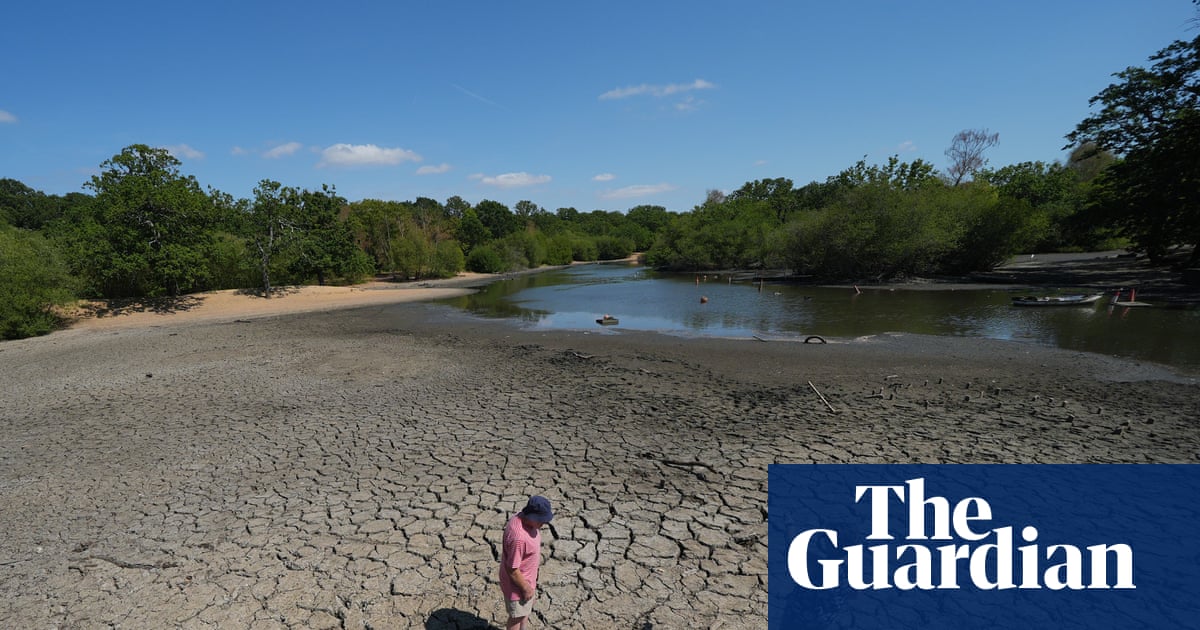
The urgency of the situation is underscored by forecasts of a super El Niño event. Heylings described the impending phenomenon as unprecedented in scale, warning it could exacerbate extreme weather conditions across the UK. Specifically, she highlighted the risk of more intense flooding and storms during the upcoming autumn and winter seasons. This combination of heatwaves and potential deluges presents a double threat to agricultural production, water supplies, and public safety. The Liberal Democrats argue that preparing for these compounded risks requires cooperation beyond traditional party lines.
Heylings and Liberal Democrat leader Ed Davey sent a letter to Burnham two weeks ago proposing the high-level talks. They have yet to receive a response to their invitation. In their correspondence, they stressed the importance of discussing long-term measures to mitigate climate impacts. Heylings pointed out that Burnham has successfully sought cross-party support for social care reforms and suggested a similar collaborative approach should be applied to environmental policy. She believes that even parties traditionally skeptical of climate action would benefit from demonstrating proactive leadership to their constituents.
Support for the initiative exists within the ruling Labour Party, though it is not universal. Clive Lewis, the MP for Norwich South, endorsed the call for cross-party dialogue. He viewed such cooperation as essential for building the consensus needed to drive radical transitions in policy. Lewis acknowledged that disagreements on methods and scope would remain but argued that starting a conversation is crucial for overcoming vested interests that favor the status quo. His stance reflects a segment of Labour opinion that sees political unity as a prerequisite for effective climate governance.
Conversely, other Labour representatives express skepticism about the feasibility of such talks. Jon Pearce, the MP for High Peak in Derbyshire, dismissed the likelihood of meaningful engagement from Conservative and Reform UK leaders. He argued that these parties have actively dismantled previous political consensus on climate change by competing to downplay the necessity of action. Pearce cited visible evidence of climate impacts, including wildfires, droughts, and pressures on food production, as undeniable realities that opposition parties are ignoring. He concluded that while consensus should exist on matters of national importance, it currently does not.
The political landscape remains divided on the role of climate policy. Both the Conservatives and Reform UK have moved sharply away from previous agreements on the need for robust climate action, despite polling data indicating strong voter support for such measures. A Conservative spokesperson declined to speculate on hypothetical talks they had not been invited to attend. The Reform party did not respond to requests for comment. This silence contrasts with the Green Party’s position; MP Hannah Spencer welcomed the growing recognition of climate priorities across sectors, noting that Greens have championed this agenda for decades and see consistent voter backing for bold action.
The government maintains that it is already taking significant steps to address climate challenges. A spokesperson stated that the UK remains a global leader in transitioning to clean power and protecting communities from climate impacts. They highlighted ongoing work with the National Drought Group, plans to build nine new reservoirs, and an investment of at least £10.5 billion by March 2036 for flood and coastal erosion defenses. These initiatives are framed as part of a broader strategy to adapt to increasingly frequent extreme weather events, suggesting that existing measures may render additional cross-party summits unnecessary from the government’s perspective.
Sources behind this briefing
Go to the original reporting
- The Guardian World↗Cross-party talks needed to tackle climate crisis, say Lib Dems

