The short version
- A planned leadership challenge against Ed Davey failed to gain traction during a recent gathering of Liberal Democrat MPs.
- Internal friction centers on whether the party’s focus on tax cuts and pension protections alienates its traditional liberal base.
- Davey remains secure due to his strong 2024 election performance and the absence of a clear, experienced alternative candidate.
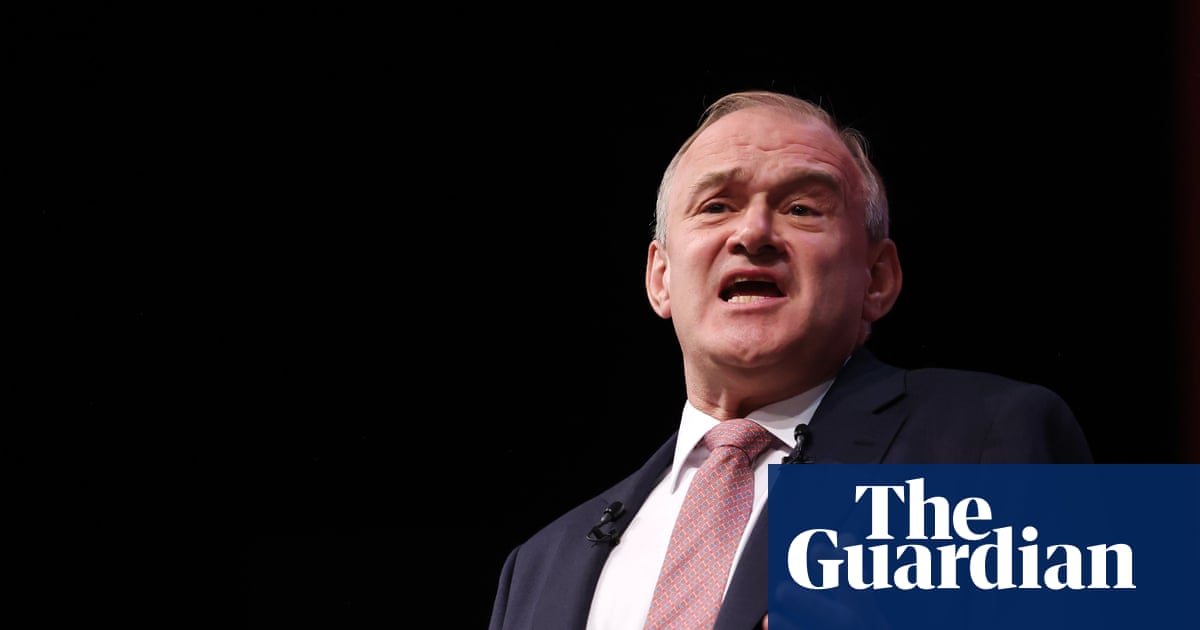
The anticipated political confrontation within the Liberal Democrat parliamentary party failed to materialize into any significant action. A lengthy meeting held in a Commons committee room on Tuesday evening was widely described by attendees as underwhelming. Rather than producing a formal challenge to Ed Davey’s leadership, the gathering resulted in minor complaints and a general consensus that avoided open conflict. One participant characterized the event as even less dramatic than expected, noting an aggressive agreement among members rather than the division some had predicted.
Despite the lack of immediate revolt, underlying dissatisfaction with Davey’s leadership style remains evident. This tension was highlighted by the sudden resignation of Charlie Maynard, a senior figure in the party’s Treasury team, just one week prior to the meeting. Maynard departed citing concerns that the party was failing to resonate with voters. However, his exit did not ignite the broader uprising he may have hoped for. Colleagues viewed his departure as poorly timed and politically inept, with some suggesting it undermined rather than strengthened the case for change.
The core of the internal dispute revolves around strategic direction. Davey recently outlined two major policy commitments: a pledge to cut income taxes by £17 billion if elected and support for maintaining the pensions triple lock. These positions were designed to appeal to voters in affluent constituencies, known as the blue wall, where the party made significant gains from Conservatives in the 2024 election. While protecting these seats is universally seen as vital, some members worry that this approach dilutes the party’s distinct liberal identity.
Critics within the party argue that positioning themselves primarily around tax cuts makes them appear indistinguishable from the Conservative Party. Some MPs expressed irritation that the strategy feels like mimicking right-wing tactics while Conservatives themselves shift toward more populist stances. There is a concern that in trying to avoid alienating former Tory voters, the Liberal Democrats are losing their unique message. This has created unease among activists and some elected officials who feel the party’s foundational values are being compromised for short-term electoral gain.
Supporters of Davey counter that his cautious approach is necessary given recent electoral history. They point to the 2019 general election, when the party ran on a clear anti-Brexit platform but won only twelve seats despite a higher vote share than in 2024. The argument is that spreading resources too thinly across a national message can be detrimental. Davey has acknowledged frustrations during meetings and appears to have built enough political capital to withstand current criticism. Many MPs are willing to give him time to adjust course, recognizing his role in leading the party to its best election result in a century.
Public opposition remains limited to a small number of voices. Tom Gordon, an MP, criticized Davey’s defense of the triple lock as insulting to younger voters. However, many colleagues view such complaints as performative and potentially damaging to MPs with slim majorities. There is a strong desire for unity, with some members urging caution against actions that could undermine electoral prospects. The prevailing sentiment among the majority is to rally around the leader rather than fracture the party during a critical period.
Another factor securing Davey’s position is the lack of a viable alternative. While the 2024 intake included ambitious and capable MPs, they generally lack the experience required for top leadership roles. Daisy Cooper, his deputy and Treasury spokesperson, is seen by some as a potential successor but is viewed as sharing Davey’s cautious approach. Many MPs are reportedly reluctant to see her take charge, fearing it would result in no substantive change. This absence of a clear challenger effectively protects Davey from serious internal threats.
Looking ahead, the party appears committed to a strategy similar to Labour’s so-called Ming vase tactic. This involves maintaining a benign and unobjectionable public image to attract tactical votes and increase seat counts. The long-term goal is to gain enough parliamentary power to support a Labour government in exchange for electoral reform, specifically proportional representation. This plan relies on several favorable outcomes and carries inherent risks. While the path forward is uncertain, the immediate leadership crisis has subsided, allowing Davey to continue steering the party through this delicate phase.
The situation remains complex but stable for now. Davey’s strong performance in 2024 provides a buffer against current discontent. The party faces the challenge of balancing electoral pragmatism with ideological consistency. As long as there is no clear alternative and the leadership maintains unity, the internal pressures are likely to remain managed rather than explosive. The focus will shift from survival to execution of the strategy aimed at expanding their presence in key constituencies.
Ultimately, the Liberal Democrats are navigating a period of strategic recalibration. The failure of the leadership challenge indicates that while dissatisfaction exists, it has not yet reached a breaking point. Davey’s ability to hold the party together despite internal grumbling suggests a degree of resilience. The coming months will test whether the current approach can deliver further electoral success without alienating the core base that supports the party’s liberal principles.
Sources behind this briefing
Go to the original reporting
- The Guardian World↗‘Damp squib’: Ed Davey can breathe easy as Lib Dem leadership challenge fails to materialise