The short version
- A drone carrying an explosive device was discovered at Leipzig airport, forcing runway closures and prompting a bomb disposal response.
- German officials warn of heightened danger from potential foreign interference, though no direct evidence currently links the incident to Russia.
- Investigators are reviewing parallels with a 2024 plot where Russian proxies transported explosives and drone parts through Poland and Lithuania.
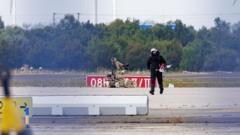
A significant security disruption occurred at Leipzig airport in Germany when a drone loaded with explosives was discovered on the tarmac late Tuesday night. The incident forced the immediate lockdown of one runway as emergency teams deployed a specialized robot to safely remove the detonator from the device. The presence of the unmanned aerial vehicle, which staff described as floating between parked aircraft, raised urgent questions about how such a threat managed to breach airport security perimeters and reach active operational zones.
The timing of the discovery coincided with the presence of several Ukrainian Antonov cargo planes on the airfield, their fuselages marked with national colors and slogans referencing frontline cities. Shortly after the drone was spotted, a DHL cargo aircraft reported colliding with an unidentified object during its ascent, preventing it from landing at Leipzig. Investigators are currently determining whether this second incident involved another drone or a different type of obstruction, adding complexity to the ongoing inquiry into the nature and scope of the threat.
German Interior Minister Nancy Faeser has characterized the event as representing a new level of danger, suggesting that foreign powers may be involved in the attack. While there is currently no concrete proof directly linking the Leipzig incident to the Russian government, which denies any role in the matter, officials are closely examining the possibility of hybrid warfare tactics. The concern stems from Moscow's established capacity and motive for such actions, as well as a pattern of previous activities that suggest a willingness to conduct covert operations within European borders.
The investigation has drawn attention to a separate but potentially related plot uncovered in 2024, which involved Russian-linked proxies operating in Poland and Lithuania. In that case, individuals were recruited by Russian military intelligence to handle drones, explosives, and other materials intended for terrorist attacks. Prosecutors in both countries have charged nearly two dozen suspects with terror offenses, alleging they formed part of a substantial network designed to destabilize EU member states. The handlers of these operatives remain at large, believed to be located within Russia, leaving uncertainty about whether the entire network has been dismantled.
Details from the 2024 case reveal sophisticated methods for smuggling dangerous materials across borders. Investigators found that explosives equivalent to six kilograms of TNT were concealed in cans of sweetcorn and chopped tomatoes, while detonators were hidden inside headphone sets. These items were transported through Europe by paid couriers who followed specific instructions from handlers known only by code names. One suspect described making long car trips to drop off packages in forests, cemeteries, and roadside locations, receiving cryptocurrency payments for each successful delivery.
The 2024 plot also involved the transport of drone components, including propellers and attachments suitable for holding bombs. Some of these items were allegedly brought into the European Union from the Russian exclave of Kaliningrad. The similarities between the materials used in that previous scheme and the device found at Leipzig airport have led some German sources to speculate about a connection. Reports indicate the explosive found on the drone may have been Semtex, which contains RDX, the same chemical compound discovered in the food cans during the earlier investigation.
Despite these parallels, authorities emphasize that no definitive evidence currently ties the Leipzig drone bomb to the 2024 network or to Russian state actors. The physical damage from the recent incident appears limited, with some analysts suggesting that if the drone casing was metal, it might have caused minor structural issues but not catastrophic failure. However, the psychological impact and the demonstration of capability pose a serious challenge to airport security protocols across the continent.
As teams continue to trace the origin of the devices and identify those responsible for launching them, the incident underscores the evolving nature of threats facing European infrastructure. The use of drones as delivery systems for explosives represents a shift in tactical approaches that requires updated detection and response strategies. Until more information becomes available, the focus remains on securing airfields and understanding whether this event is an isolated act or part of a broader campaign of hybrid aggression.
The outcome of the current investigation will likely influence future security measures at major European airports. If links to organized networks are established, it could lead to increased international cooperation in counter-terrorism efforts. For now, the incident serves as a stark reminder of the vulnerabilities inherent in modern aviation systems and the persistent risks posed by covert operations designed to disrupt civilian life without triggering direct military conflict.
Sources behind this briefing
Go to the original reporting
- BBC News↗German airport drone-bomb: Could Russia be involved?

