The short version
- Lawyers for Brian Flores contend that a recruiting report prepared for the Las Vegas Raiders contains racial stereotypes and constitutes unlawful retaliation for his 2022 discrimination lawsuit.
- The document, obtained by the Associated Press and first published by Front Office Sports, lists strengths and weaknesses that attorneys say reflect biased assumptions about Flores’ background and character.
- Flores, currently the defensive coordinator for the Minnesota Vikings, continues to pursue legal action alleging systemic racism in NFL hiring practices involving Black coaches.
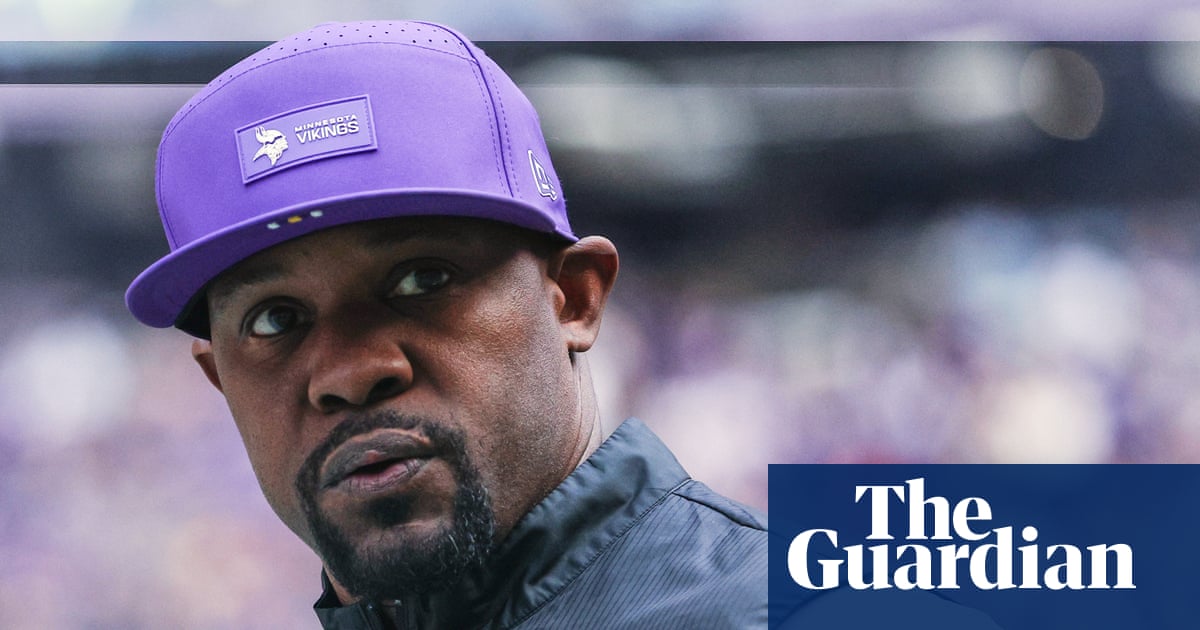
A recruiting report prepared during the Las Vegas Raiders’ search for a head coach in 2024 has become the center of a new legal argument regarding racial bias in the National Football League. The document, which was unsealed recently and obtained by the Associated Press, evaluates Brian Flores as a candidate. Flores is currently serving as the defensive coordinator for the Minnesota Vikings. His legal team argues that the assessment contains multiple instances of racial stereotyping and serves as unlawful retaliation for his previous lawsuit against the league.
The report was conducted by Korn Ferry, a firm often used by NFL teams to vet coaching candidates. It outlines six perceived strengths and seven weaknesses associated with Flores. According to Michael J. Willemin, one of Flores’ attorneys, the document reveals two troubling realities about the league’s hiring culture. He stated that the decision to hold the NFL accountable for systemic discrimination has triggered retaliation. Furthermore, he argued that the candidate profile leans heavily on racial stereotypes, suggesting that discrimination remains a significant factor in how teams evaluate head coaching prospects.
Specific entries in the report have drawn sharp criticism from Flores’ legal representatives. One listed strength describes Flores as polished and an effective presenter, despite his upbringing in Brownsville, Brooklyn. The report draws a comparison to Mike Tyson, noting that Flores built a friendship with a billionaire’s son which allowed him to socialize with upper-class individuals. Brownsville is a neighborhood in Brooklyn with a predominantly Black and Hispanic population. Attorneys argue that framing his ability to navigate white-collar spaces as an anomaly based on his neighborhood of origin relies on racialized assumptions.
The weaknesses section of the report includes character assessments that Flores’ lawyers describe as contradictory and biased. One entry claims that while Flores may appear polished, he lacks self-awareness and possesses poor people skills. It suggests he can exhibit erratic behavior. Another criticism cites comments from former Miami Dolphins quarterback Tua Tagovailoa, implying that Flores contributed to a narrative of being pessimistic and adversarial. The report alleges that this dynamic shattered the quarterback’s confidence, though it does not provide independent verification of these claims beyond the cited narrative.
Additional criticisms in the document include assertions that Flores’ personality is unpredictable. It references an incident where he allegedly threatened violence toward a general manager and made irrational demands during an ownership meeting. An unnamed senior executive quoted in the report stated that hiring Flores was the worst decision they had ever made, though acknowledging he may have changed since then. The final weakness listed explicitly mentions that his ongoing discrimination lawsuit against the NFL could serve as a distraction for any team considering him for a head coaching role.
Flores filed his original lawsuit against the NFL and three teams in February 2022. He alleged that the league’s hiring practices were rife with racism, particularly regarding opportunities for Black coaches. This legal action came shortly after he was dismissed as the head coach of the Miami Dolphins. The case has since expanded to include other Black coaches, such as Steve Wilks and Ray Horton, who joined the lawsuit to support the claim of systemic discrimination within the league’s employment structures.
Willemin emphasized that Flores and his legal team remain committed to eradicating what they describe as institutional racism and retaliation permeating the league, its teams, and their partners. The unsealed documents are being used to demonstrate that these issues persist despite previous public scrutiny. The NFL has not immediately responded to requests for comment regarding the specific contents of the Korn Ferry report or the allegations of retaliation raised by Flores’ attorneys.
The emergence of this document adds a new layer of complexity to the ongoing legal battle between Flores and the NFL. It highlights the subjective nature of executive evaluations in professional sports and raises questions about how personal biases may influence hiring decisions at the highest levels. As the lawsuit proceeds, these internal assessments will likely be scrutinized further for evidence of discriminatory intent or impact. The situation underscores the continued tension between league-wide efforts to promote diversity and the private practices of individual franchises.
Observers note that the timing of the report’s release coincides with heightened public interest in equity within sports organizations. While the NFL has implemented various initiatives to increase representation among coaching staffs, critics argue that structural barriers remain. The specific language used in the Raiders’ recruiting document provides concrete material for legal arguments regarding whether racial stereotypes influenced the evaluation process. The outcome of Flores’ lawsuit could set significant precedents for how accountability is enforced within professional sports leagues.
As the legal proceedings continue, the focus remains on whether the contents of the report constitute admissible evidence of bias or retaliation. The NFL’s silence on the matter has been noted by commentators who suggest that a lack of transparency may hinder efforts to resolve the dispute. Flores’ current role with the Vikings places him in a position of influence, yet his pursuit of legal remedies indicates a broader goal of institutional change. The case continues to draw attention to the intersection of race, power, and employment law in American sports.
Sources behind this briefing
Go to the original reporting
- The Guardian US↗‘Chip on his shoulder’: Brian Flores lawyers condemn racial stereotypes in NFL coaching report