The short version
- Attorneys for Rep. Joyce Beatty are seeking a court order to compel the disclosure of withheld emails and texts between White House officials and Kennedy Center leadership.
- The disputed records allegedly show near-constant contact regarding the center's management, including messages exchanged on the day the board voted to close the facility.
- U.S. District Judge Christopher Cooper has not yet ruled on the motion, which follows his previous order removing Trump's name from the building and blocking major physical changes.
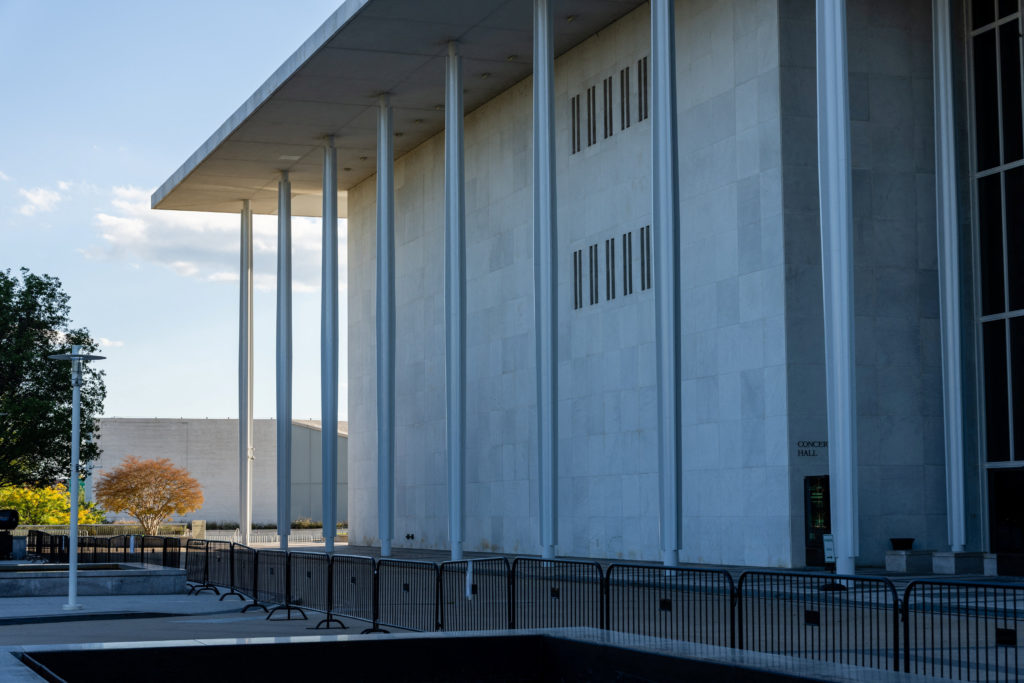
A federal court in Washington is weighing a request that could force the Trump administration to reveal the extent of its involvement in the recent closure of the Kennedy Center for the Performing Arts. Attorneys representing Rep. Joyce Beatty, an Ohio Democrat who serves on the center's board, filed a motion on Sunday asking U.S. District Judge Christopher Cooper to compel the production of documents, emails, and text messages that the White House has withheld. The legal team argues that these records are essential to understanding whether the president improperly influenced the institution's management decisions.
The core of the dispute centers on claims that President Donald Trump maintained near-constant contact with Kennedy Center officials regarding the facility's operations. According to the filing, a list of records currently held by the center suggests significant interaction between the executive branch and the arts organization. Beatty’s lawyers contend that the administration’s refusal to turn over these materials is based on an invalid assertion of presidential privilege. They argue that such communications are directly relevant to the legal questions before the court and that the claim of privilege should not shield them from scrutiny.
Specific details within the filing highlight the frequency and nature of these alleged interactions. The list of withheld documents includes nineteen text messages exchanged between Matt Floca, the Kennedy Center’s executive director and CEO, and Natalie Harp, an executive assistant to President Trump. Notably, eleven of these messages were sent on September 15, the same day the center's board voted for a third time to shut down the facility. This timing has raised questions among plaintiffs' attorneys about the role White House staff played in the decision-making process leading up to the closure.
Further complicating the picture is evidence of communication between Floca and Commerce Secretary Howard Lutnick. The filing identifies approximately 180 text messages related to Kennedy Center matters exchanged between the two men. Beatty’s legal team characterizes Lutnick as acting as a go-between for the president, suggesting that the administration may be using intermediaries to exert influence while maintaining plausible deniability. The attorneys expressed concern that without access to these materials, they cannot fully assess the defendants' actions or determine if impermissible gamesmanship is occurring behind closed doors.
The current legal maneuvering follows a series of contentious rulings by Judge Cooper regarding the Kennedy Center. In May, Cooper determined that the addition of Trump’s name to the building was illegal and ordered its removal. This decision preceded the board's vote to close the center, which Trump has justified by citing dangerous conditions that require the structure to be ripped down. The timeline suggests a direct correlation between the judicial block on renaming the facility and the subsequent administrative move to shut it for renovations.
Following the board’s vote, Floca ordered a temporary closure of the main building on September 16. In response, Judge Cooper issued an order requiring the Kennedy Center to provide thirty days' notice before implementing any major physical changes to the property. This injunction aims to prevent irreversible alterations while the legal challenges proceed. The administration has not immediately commented on the latest filing seeking disclosure of communications, leaving the status of the withheld records in limbo.
Rep. Beatty’s position as an ex officio member of the Kennedy Center board gives her standing to challenge these actions. Her legal team emphasizes that the withheld communications bear directly on the issues before the court. They argue that the administration’s reliance on executive privilege is misplaced because the documents in question relate to the management and governance of a federally supported institution rather than purely internal presidential deliberations. The outcome of this motion could set a precedent for how much oversight courts can exert over White House interactions with cultural institutions.
As the case moves forward, the focus remains on transparency and accountability in federal arts funding and management. The Kennedy Center Honors are scheduled to be held at Capital One Arena amid the ongoing fight, highlighting the disruption caused by the closure. Judge Cooper’s eventual ruling on whether to compel disclosure will determine if the public and the court can see the full scope of White House involvement. Until then, the exact nature of the pressure applied to the center’s leadership remains a subject of legal contention and political debate.
The situation underscores broader tensions between the executive branch and independent federal entities. Critics argue that the rapid closure and renaming attempts reflect an attempt to consolidate control over cultural symbols. Supporters of the administration point to safety concerns as the primary driver for renovation. However, the volume of text messages and emails cited in the filing suggests a level of engagement that goes beyond standard oversight. The court’s decision will likely hinge on whether these communications are deemed privileged or essential evidence of improper influence.
Sources behind this briefing
Go to the original reporting
- PBS NewsHour↗Judge asked to compel Trump administration to disclose emails and texts about Kennedy Center plans