The short version
- Ryan Bridge, co-founder of Raise the Colours, has been charged with fourteen offenses including racially aggravated harassment and threatening behavior.
- Local councils in Oxfordshire and Birmingham are pursuing legal injunctions to stop the group from placing flags on public property due to safety concerns.
- Bridge appeared at a Reform UK conference where party leader Nigel Farage praised the campaign, despite Bridge being on bail for related arrests.
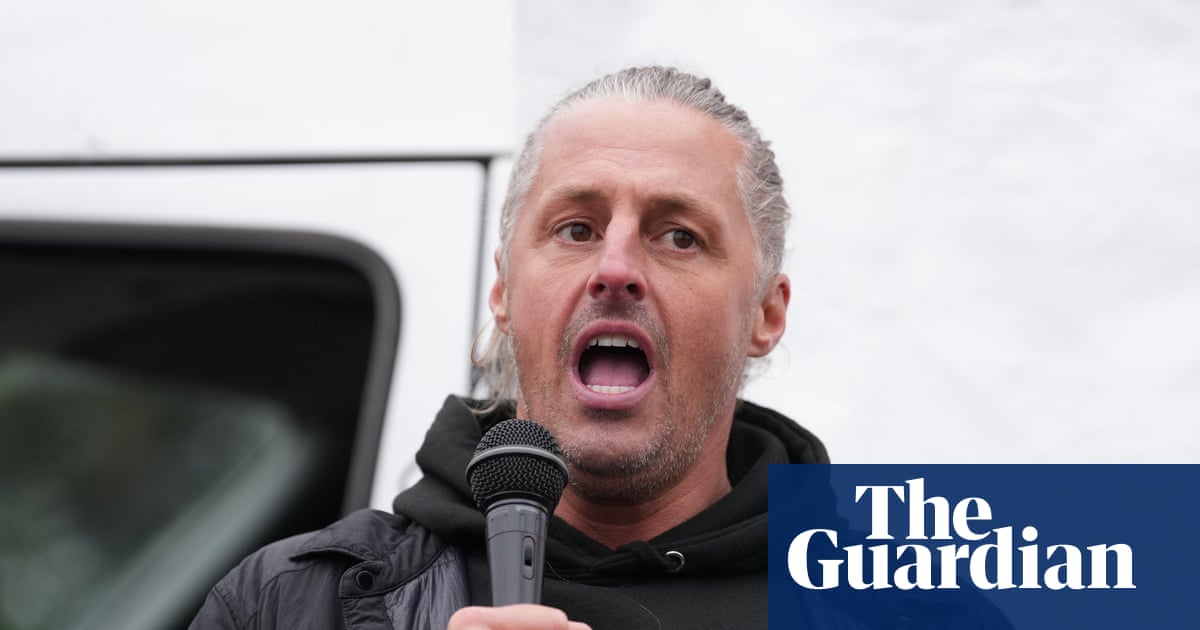
The head of a grassroots organization known for installing union jack and St George’s flags across English public spaces has been formally charged with multiple criminal offenses. Ryan Bridge, a forty-five-year-old resident of Bromsgrove in Worcestershire, is accused of fourteen distinct violations stemming from activities conducted over a two-month period in Oxfordshire during late January 2026. The charges include seven counts of using threatening words or behavior to cause harassment, alarm, or distress, as well as three counts involving intent to provoke unlawful violence.
Among the allegations are two counts of racially aggravated intentional harassment and one count of racially aggravated fear of violence. Thames Valley Police confirmed that they prepared a file for the Crown Prosecution Service after reviewing available evidence, which included witness statements and video footage. Bridge is scheduled to appear at Oxford magistrates court on November 3 to face these accusations. He has previously denied any wrongdoing related to his activities with the group he co-founded.
Raise the Colours describes itself as a movement dedicated to unity and patriotism. Since August of last year, members of the organization have been erecting flags on various forms of street furniture, including roundabouts and lampposts, throughout England. This campaign has drawn significant attention from local authorities concerned about public safety and property rights. The visual presence of these flags on municipal infrastructure has become a focal point for legal and political debate.
In response to the flag installations, Oxfordshire County Council successfully obtained an injunction against Bridge and other associates. The court order aims to prevent further placement of flags on public property, citing risks associated with trespassing and obstruction of public spaces. Safety concerns were highlighted as a primary justification for the legal intervention, reflecting broader anxieties about unauthorized modifications to civic infrastructure.
Legal pressure is expanding beyond Oxfordshire. Birmingham City Council announced last week that it is seeking a similar injunction against Bridge and his associates. This application is set to be heard at the High Court on Tuesday, indicating a coordinated effort by local governments to curb the campaign’s activities. The pursuit of civil remedies alongside criminal charges underscores the severity with which authorities are treating the unauthorized use of public assets.
The legal proceedings coincide with increased political visibility for Bridge and his organization. He attended the Reform UK conference in Birmingham over the weekend, an event largely restricted to party members rather than the general public. Bridge stated that he and others from his group were invited by the party and decided to attend accordingly. His presence at the conference highlights the intersection of grassroots activism and formal political structures.
Nigel Farage, leader of Reform UK, publicly praised Bridge and the efforts of Raise the Colours during a Saturday event at the conference. Farage remarked that the campaign had awakened vast parts of the country, signaling strong political support for the group’s methods despite the legal challenges they face. This endorsement adds a layer of political complexity to the ongoing criminal and civil cases against Bridge.
At the time of his appearance at the Reform UK conference, Bridge was on bail following an earlier arrest by Thames Valley Police. He had been detained on suspicion of causing racially and religiously aggravated harassment, alarm, or distress earlier in the year. The convergence of his legal status, political affiliations, and ongoing criminal charges creates a tense backdrop for the upcoming court appearances and injunction hearings.
The case illustrates growing tensions between expressions of national identity through public displays and municipal regulations governing public space. As Bridge faces potential penalties for harassment and violence-related offenses, local councils continue to seek legal tools to prevent further flag installations. The outcome of these proceedings could set precedents for how similar grassroots campaigns are handled in the future.
Observers will be watching closely as the High Court considers Birmingham’s injunction request and as Oxford magistrates court prepares for Bridge’s November appearance. The resolution of these cases may influence broader discussions about patriotism, public order, and the limits of political expression in English communities. For now, the legal process remains underway with significant implications for both the individuals involved and the wider political landscape.
Sources behind this briefing
Go to the original reporting
- The Guardian World↗Leader of group behind flag campaign in England charged with 14 offences

