The short version
- Legal representatives for the Birmingham Four are urging the Criminal Cases Review Commission to reopen their cases based on new evidence from an inquiry into undercover policing misconduct.
- Defense attorneys draw parallels between the current case and other instances where officers allegedly planted weapons or fabricated plots to frame activists, suggesting a pattern of institutional cover-ups.
- While police maintain that jury verdicts were supported by abundant evidence including encrypted messages and discovered weaponry, families and advocacy groups continue to demand transparency regarding the investigation's progress.
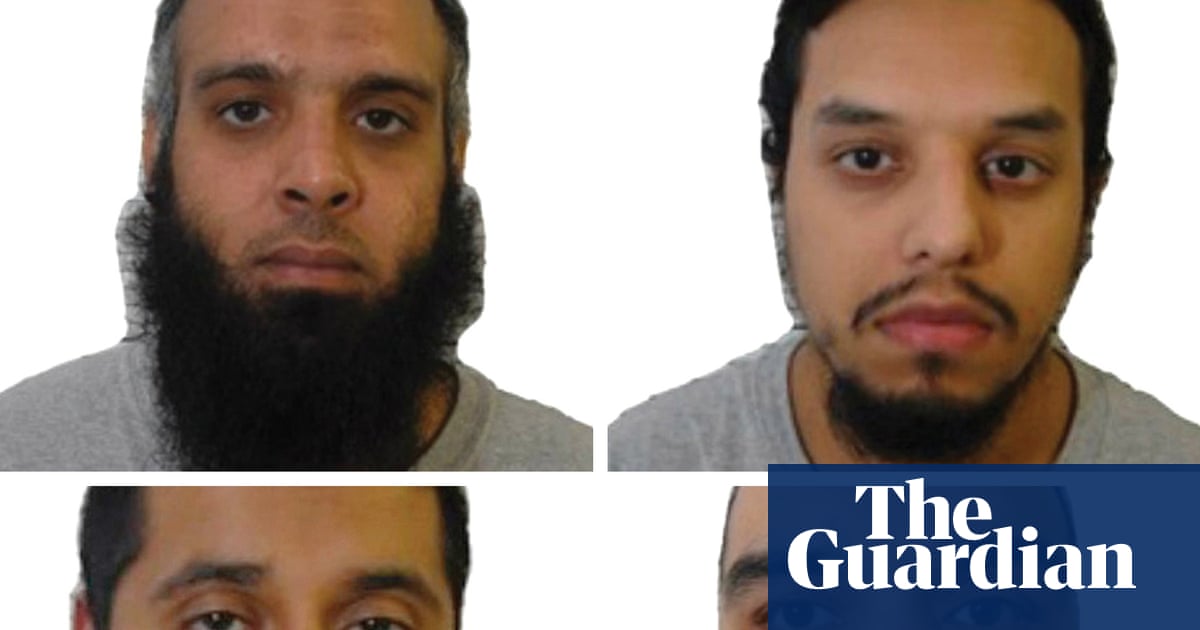
Legal representatives for four men convicted of terrorism offenses in the United Kingdom are intensifying efforts to have their cases reopened, citing disturbing revelations from a broader inquiry into undercover police conduct. The defense team argues that new information emerging from investigations into historical policing abuses provides compelling grounds to question the integrity of the original convictions against Khobaib Hussain, Naweed Ali, Mohibur Rahman, and Tahir Aziz.
The men were arrested ten years ago following an elaborate covert operation conducted by West Midlands Police. Authorities established a fictitious delivery company named Hero Couriers to monitor individuals with prior terror-related convictions. An undercover officer operating under the alias Vincent was embedded within this setup to observe Hussain and Ali. The operation culminated in the discovery of what investigators described as a partially constructed pipe bomb, a suspected handgun, and a meat cleaver inscribed with derogatory language inside a vehicle associated with Ali.
Defense counsel has long maintained that the evidence found in the vehicle was planted by the undercover officer rather than belonging to the defendants. This claim was dismissed by the jury during the 2017 trial and subsequently rejected by an appeals court in 2018, which cited abundant evidence of extremist beliefs and encrypted communications as justification for the guilty verdicts. However, lawyers now believe that recent findings from the undercover policing inquiry significantly strengthen their argument for a miscarriage of justice.
Gareth Peirce, a prominent attorney specializing in wrongful conviction cases, submitted additional materials to the Criminal Cases Review Commission earlier this year. These submissions highlight parallels between the Birmingham Four case and other incidents revealed during the inquiry, where undercover officers were accused of fabricating plots or planting weapons to frame activists. Peirce noted that the similarities in how evidence was discovered and presented are striking, suggesting a systemic ability for officers to manipulate situations without immediate detection.
The ongoing inquiry is examining the activities of undercover units that monitored over one thousand political groups between 1968 and at least 2010. Testimony heard during the investigation has exposed instances where officers allegedly concocted gun plots or relied on organizational cover-ups to conceal misconduct. Defense attorneys argue that these revelations demonstrate a pattern of behavior that undermines confidence in the original prosecution's evidence, particularly regarding the sudden discovery of weaponry in vehicles recently driven by the suspects.
Stephen Kamlish, who represented Naweed Ali during the trial, expressed absolute certainty in his client's innocence. He pointed to specific details from the trial, such as Ali willingly handing over his car keys to the undercover officer, as indicators that the defendants did not possess the weapons found in the vehicle. The defense contends that there was no concrete evidence linking the bag containing the bomb materials to any of the four convicted men, further fueling suspicions of entrapment or fabrication.
Families of the convicted men and advocacy organizations are growing increasingly frustrated with the pace of the review process. Mariam Hussain, sister of Khobaib Hussain, has been working with the Muslim advocacy group Cage to push for a more transparent investigation. She described the emotional toll on the families as relentless, noting that they feel forced to guide the Criminal Cases Review Commission due to a lack of regular updates or clear communication about how their applications are being evaluated.
A joint statement issued by Cage and several other organizations, including the miscarriage of justice charity Appeal, called for an immediate review of the case. While the Criminal Cases Review Commission has confirmed that a review is ongoing, it declined to provide further details, stating that commenting on active reviews would be inappropriate. West Midlands Police reiterated their stance that the original convictions were unanimous and supported by substantial evidence, including encrypted messages that indicated imminent plotting.
As the tenth anniversary of the arrests approaches, the case remains a focal point for debates regarding police accountability and judicial oversight. The defense's strategy hinges on leveraging the broader scandal surrounding undercover policing to cast doubt on specific evidentiary elements of the Birmingham Four trial. Whether this approach will succeed in overturning the convictions depends largely on how the review commission weighs the new contextual evidence against the original jury findings.
The outcome of this review could have significant implications for other cases involving undercover operations and the admissibility of evidence obtained through such methods. For now, the families and their legal teams remain in a state of limbo, awaiting a decision that could either validate their long-held beliefs of innocence or reinforce the original judgments. The intersection of historical policing misconduct and contemporary terror convictions continues to challenge the justice system's ability to ensure fair trials.
Sources behind this briefing
Go to the original reporting
- The Guardian World↗‘Birmingham Four’ lawyers hope spycops inquiry will reopen case

