The short version
- Senior politicians from multiple parties are backing a bill to broaden ethnicity options in the English census.
- The proposal aims to allow black, Asian, and mixed-heritage residents to identify as English, mirroring options available in Scotland and Wales.
- The legislative push responds to political rhetoric suggesting English identity is exclusively white, with critics citing the national football team as evidence of broader cultural belonging.
A coalition of senior British lawmakers is advancing a legislative effort to redefine how ethnicity and national identity are recorded in England’s census. The proposed change would decouple the label 'English' from the 'White' ethnic category, allowing individuals of Black, Asian, mixed, and other backgrounds to identify as English if they choose. This initiative represents a significant shift in how demographic data is collected and reflects a growing political consensus that national identity should not be restricted by racial classification.
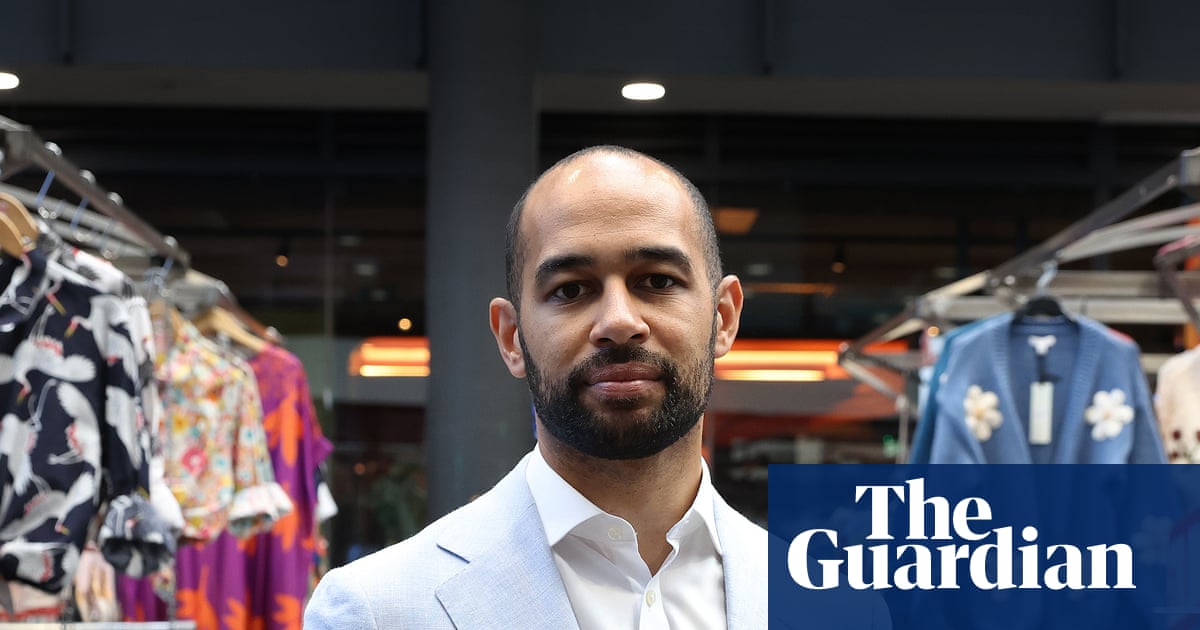
The drive is being led by Josh Babarinde, president of the Liberal Democrats, who has secured support from prominent figures across the political spectrum. Backers include former Deputy Prime Minister David Lammy, former Foreign Secretary James Cleverly, Conservative MP Mark Pritchard, and Layla Moran, chair of the health select committee. Additional support comes from Conservative Ben Obese-Jecty, Labour’s Adam Jogee, and Lib Dem Munira Wilson. This cross-party alliance underscores a shared desire to modernize census categories to better reflect the diverse composition of English society.
Under current census guidelines in England, respondents can only select 'English' if they also identify within the 'White' ethnic group. In contrast, individuals from minority ethnic backgrounds may identify as British, such as 'Asian or Asian British,' but lack a specific option to claim an English identity. This structural limitation stands in sharp contrast to the census frameworks used in Scotland and Wales, which already permit combinations like 'Scottish Asian' or 'Black Welsh.' The disparity has drawn criticism from those who argue that the current system fails to capture the nuanced identities of millions of residents.
The legislative push is partly a response to recent political commentary questioning whether people from minority ethnic backgrounds can possess an English ethnic identity. Reform UK politicians, including former Home Secretary Suella Braverman, have argued that Englishness is a distinct ethnicity rooted in centuries of history and should be recognized separately from broader national citizenship. Braverman stated she does not consider herself ethnically English due to her South Asian heritage, advocating for a more conservative approach to identity definitions. These remarks have sparked debate about the boundaries of belonging and the role of race in defining national character.
Critics of the current census structure point to the England national football team as a practical example of why the categories need updating. They note that approximately 60% of the squad’s players would not technically be classified as English under existing census rules, despite representing the country on the international stage. Babarinde emphasized that most people already accept that one does not need to be white to be English, arguing that the census has simply failed to catch up with this social reality. The bill seeks to align official statistics with public perception and lived experience.
The proposed legislation takes the form of a 10-minute rule bill, a parliamentary procedure that allows MPs to introduce short bills on specific policy matters. While such bills rarely become law without significant government support, they serve as powerful tools for raising awareness and signaling political priorities. The bill would mandate that future censuses in England provide respondents in every ethnic category with the option to identify as English. This change would ensure that demographic data more accurately reflects the self-identification of the population, particularly among the roughly 5 million UK-born residents in England and Wales who are from minority ethnic backgrounds.
The debate has also exposed internal divisions within political parties regarding identity politics. Zia Yusuf, chair of Reform UK, distanced himself from Braverman’s stance, arguing that her position does not hold water. He cited his support for Chelsea Football Club and his view of Ashley Cole as an English fullback to illustrate that ethnic heritage does not preclude national identity. This internal disagreement highlights the complexity of the issue and suggests that even within parties advocating for stricter definitions of citizenship, there is no uniform consensus on how ethnicity and nationality intersect.
Proponents of the bill frame the change as a unifying measure rather than a divisive one. Babarinde described the effort as standing up to those who seek to gatekeep Englishness exclusively for white people and divide society over who counts as English. The goal is to bring people together around a shared sense of belonging, regardless of racial background. By expanding the options available in the census, lawmakers hope to foster a more inclusive understanding of English identity that acknowledges both historical roots and contemporary diversity.
As the bill moves forward, it will likely face scrutiny from various quarters, including those who believe that maintaining distinct ethnic categories is essential for accurate data collection and policy planning. However, the cross-party support indicates a strong desire to address what many see as an outdated framework. The outcome of this legislative effort could set a precedent for how national identity is defined and measured in future censuses, potentially influencing broader conversations about citizenship, belonging, and diversity in the United Kingdom.
The timing of this push coincides with ongoing debates about immigration, integration, and national identity in Britain. As demographic shifts continue to reshape the country’s social landscape, the way these changes are recorded and understood becomes increasingly important. The proposed census reforms aim to provide a more accurate picture of who lives in England, ensuring that official statistics reflect the reality of a multicultural society. Whether the bill succeeds or fails, it has already sparked a necessary conversation about the evolving nature of English identity.
Sources behind this briefing
Go to the original reporting
- The Guardian World↗‘Black English’ and ‘Asian English’ should be census options, MPs say


