The short version
- Five House members have formally requested a Federal Trade Commission investigation into pricing accuracy at 7-Eleven and Circle K following reports of systemic overcharging.
- Inspection data from multiple states reveals failure rates exceeding forty percent for both chains between 2023 and 2025, with some regions seeing nearly two-thirds of checks fail.
- Critics argue that current enforcement mechanisms are insufficient to deter large retailers, while the companies maintain they are committed to legal compliance without addressing specific allegations.
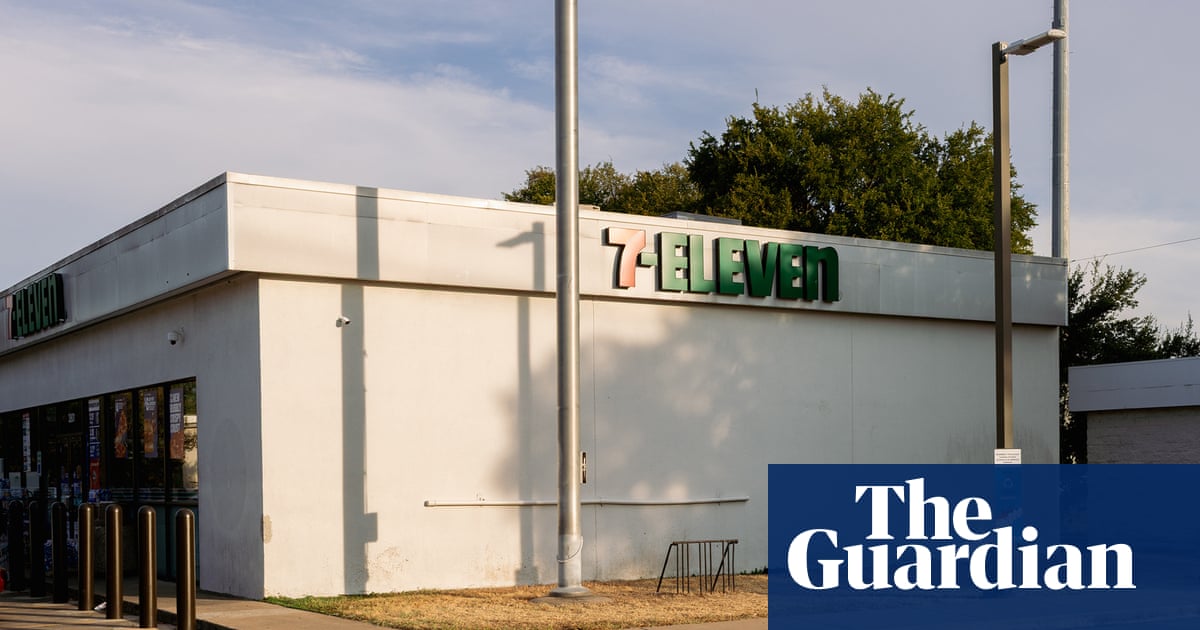
A coalition of five U.S. House representatives has escalated calls for federal intervention regarding pricing practices at two of the nation’s largest convenience store chains, 7-Eleven and Circle K. The lawmakers’ demand follows an investigative report detailing frequent discrepancies between advertised prices and final charges at registers and fuel pumps. This development marks a significant shift in how congressional leaders are addressing retail transparency, framing routine checkout overages not merely as consumer annoyances but as systemic issues exacerbating financial strain on households.
The core of the complaint centers on the gap between shelf tags or outdoor signage and the actual amount charged to customers. According to the investigation, these discrepancies affect essential goods including gasoline, snacks, and other daily necessities. Representative Becca Balint of Vermont characterized the situation as forcing consumers to act as auditors for their own purchases, arguing that corporations have a duty to ensure advertised prices match final costs. She specifically urged the Federal Trade Commission to examine whether these practices constitute deliberate deception.
Data compiled from state and local price-accuracy inspections between 2023 and 2025 highlights the scale of the issue. In Arizona, 7-Eleven failed forty-one percent of its inspections during this period. The chain performed even worse in Colorado and Utah, where failure rates reached forty-seven percent. Circle K also showed significant compliance gaps, with thirty-five percent of inspections failing in Florida, thirty-nine percent in Arizona, and a striking sixty-two percent in North Carolina. These figures suggest that pricing errors are not isolated incidents but widespread operational failures across multiple jurisdictions.
Political reactions to the findings have been sharp, particularly from Democrats who have made inflation and cost-of-living concerns central to their campaigns. Representative Nanette Barragán of Los Angeles County linked the overcharging practices to broader economic pressures, asserting that businesses must maintain fair and transparent pricing while families struggle with rising food costs. She criticized the current administration’s dismissal of affordability issues, noting that public approval for the president’s handling of the cost of living stands at just seventeen percent according to recent polling.
The issue extends beyond convenience stores into other retail sectors. Previous reporting indicated that major dollar store chains, including Dollar General and Family Dollar, have also repeatedly failed to honor shelf prices. In response to those findings, thirty House members signed a letter demanding answers from those retailers. Representative Nikki Budzinski of Illinois, who led that earlier effort, stated that the new convenience store data demonstrates the problem is deeper than previously understood. She emphasized that federal oversight will continue until these chains correct their practices and treat consumers with respect.
Local officials are also weighing in, particularly in areas with high failure rates. In Los Angeles County, where 7-Eleven failed thirty-seven percent of inspections, Representative Laura Friedman expressed concern for families already burdened by high gas and grocery prices. She pointed out that California law mandates charging the price displayed on signs, making these overages potential legal violations. Friedman called for state and local investigations to hold offending stores accountable, arguing that communities cannot absorb additional financial shocks from deceptive pricing.
Both 7-Eleven and Circle K declined to provide detailed responses to specific questions about their pricing mechanisms. Instead, they issued brief statements affirming their commitment to accuracy and legal compliance. 7-Eleven stated it takes pricing accuracy seriously, while Circle K noted its dedication to complying with all applicable laws. However, these general assurances did not address the specific inspection failures or explain why such high rates of discrepancy persist across multiple states over several years.
Experts note that enforcement remains a significant challenge due to limited resources at state and local agencies. Even when violations are identified, fines and settlements are often modest relative to the profits of large retail chains. Representative Delia Ramirez of Illinois argued that corporate greed is prioritized over people’s needs, citing predatory algorithms and monopolistic practices as drivers of this trend. She stressed that her constituents are exhausted by these market failures and expect their representatives to fight for lower prices and higher wages through stronger regulatory action.
The political landscape surrounding affordability has become increasingly polarized. While Democratic lawmakers frame these pricing discrepancies as evidence of corporate exploitation, President Donald Trump has dismissed concerns about the cost of living as a political hoax. This divide underscores the broader cultural and economic tensions in the U.S., where trust in market fairness is eroding. As lawmakers push for federal oversight, the outcome could set important precedents for how retail pricing transparency is regulated nationwide.
What comes next depends largely on whether the Federal Trade Commission decides to open a formal investigation. If it does, the agency would need to determine if these overcharges are accidental errors or part of a deliberate strategy to maximize revenue at the expense of consumer trust. Until then, consumers in affected states may continue to face unexpected costs at checkout, reinforcing perceptions that large retailers operate with impunity. The coming months will likely see increased scrutiny of retail pricing practices as political pressure mounts for tangible accountability.
Sources behind this briefing
Go to the original reporting
- The Guardian US↗‘It’s enraging’: lawmakers call for action after Guardian investigation into convenience store overcharges