The short version
- Laurie Anderson has been selected as the thirteenth contributor to the Future Library project in Oslo.
- Her manuscript will remain sealed and unread until the year 2114, joining works by other prominent global authors.
- The collection is stored in a silent room at Deichman Bjørvika library, with plans to print the anthology on paper from a dedicated spruce forest.
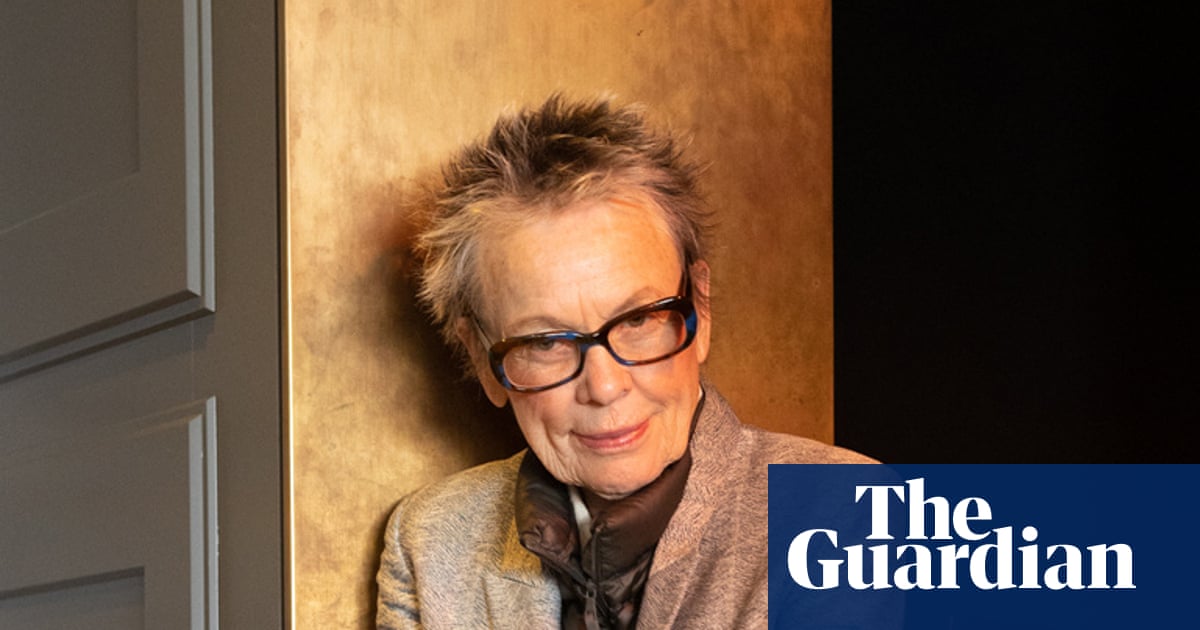
American multimedia artist Laurie Anderson has been selected as the thirteenth contributor to the Future Library project, an ambitious cultural initiative based in Oslo, Norway. Her newly written manuscript will be sealed away and remain inaccessible to the public for eighty-eight years. The text is scheduled to be released only after 2114, when the full anthology of collected works will finally be printed and made available for reading.
The project was conceived by artist Katie Paterson in 2014, who planted one thousand spruce trees in the Nordmarka forest north of Oslo. These trees are intended to provide the paper for the eventual publication of the anthology. The manuscripts themselves are currently stored in a specially designed silent room within the Deichman Bjørvika building, part of the city’s public library system. This secure environment ensures that the texts remain untouched and unread until the predetermined release date.
Anderson joins a distinguished roster of international writers who have already contributed secret works to the archive. Previous contributors include Margaret Atwood, Han Kang, Ocean Vuong, David Mitchell, Sjón, Elif Shafak, Karl Ove Knausgård, Tsitsi Dangarembga, Judith Schalansky, Valeria Luiselli, Tommy Orange, and Amitav Ghosh. Each participant has agreed to submit a piece of writing that will not be revealed during their lifetime or for decades thereafter, creating a bridge between contemporary creativity and future audiences.
The Future Library Trust cited Anderson’s unique capacity to communicate across time as the primary reason for her selection. The organization noted her ability to create work that is deeply human and radically imaginative while remaining attentive to futures that are currently unforeseeable. Paterson described Anderson’s career as a lifelong effort to send signals into the unknown, exploring themes of storytelling, memory, and imagination through various mediums including language, music, visual art, technology, and performance.
Anderson’s artistic practice spans multiple disciplines, encompassing experimental music, theater, visual arts, and literature. She has published ten books and created numerous multimedia stage performances. Her work has been exhibited at major institutions worldwide, such as the Hirshhorn Museum in Washington DC and Moderna Museet in Stockholm. In 2024, she received a lifetime achievement award from the Recording Academy, adding to her six Grammy nominations and one win.
The format of Anderson’s contribution remains unspecified. Paterson indicated that the submission could take the form of a traditional text, a musical score, a story, a set of instructions, or something entirely new for which there is currently no name. This flexibility aligns with the project’s broader goal of capturing diverse forms of human expression. The uncertainty surrounding the content adds to the intrigue of the archive, as readers in 2114 will encounter these works without prior knowledge of their nature.
Anderson expressed a deep personal connection to the concept of libraries and forests, drawing on childhood memories of living near a park filled with large trees. She recalled her mother hiding chocolate bars in an oak tree as an incentive for her children to visit the local library. This early association between nature, literature, and reward shaped her appreciation for books and old trees. She hopes her contribution will offer something useful about love to those who read it in the next century.
The City of Oslo signed an agreement in June 2022 to ensure that the forest remains under the control of the Future Library Trust for the duration of the project. This legal framework protects the trees from being harvested or sold before the anthology is ready for publication. The long-term stewardship of the land underscores the commitment to preserving this unique cultural experiment for future generations.
As the thirteenth contributor, Anderson’s work adds another layer to a growing collection that aims to reflect the human experience across time. The project challenges contemporary notions of immediate consumption and digital ephemerality by emphasizing patience and long-term preservation. When the trees are finally harvested and the texts printed, the anthology will serve as a testament to the creative voices of the early twenty-first century.
The Future Library continues to invite new contributors, though the selection process remains highly curated. Each addition is chosen for their ability to speak to future audiences in meaningful ways. Anderson’s participation highlights the intersection of art, technology, and environmental stewardship. Her manuscript will sit quietly in the silent room, waiting for a time when it can be shared with readers who may never have known her or her era.
Sources behind this briefing
Go to the original reporting
- The Guardian World↗Laurie Anderson’s next manuscript to be locked away for 88 years in Future Library

