The short version
- Hispanic voter support for Republicans dropped from 48 percent in 2024 to 30 percent in the midterms, marking a historic shift.
- Aggressive immigration enforcement tactics alienated communities that had previously backed Donald Trump, leading to record turnout against his party.
- Democrats capitalized on this surge to win congressional seats in Texas and secure governorships in California and Texas with Latino candidates.
The Republican Party suffered a decisive defeat in Tuesday’s midterm elections, a result heavily influenced by a massive shift among Hispanic American voters. This demographic group, which had shown significant support for Donald Trump two years prior, turned out in record numbers to reject his party. The change represents one of the most dramatic realignments in recent U.S. electoral history, fundamentally altering the political landscape in several key states.
Data indicates that Latino support for Republican candidates plummeted from 48 percent during the 2024 presidential race to just 30 percent in this cycle. This 18-point drop contributed to a broader 28-point swing toward Democrats nationwide among Hispanic voters. Analysts note that this shift was more pronounced than any other demographic group, with Asian Americans showing the next largest movement at 17 percent. The reversal effectively dismantled what had appeared to be a growing alliance between Trump and Hispanic communities.
The primary driver of this discontent appears to be the administration’s approach to immigration enforcement. Many voters who previously supported Trump felt betrayed by the scope and nature of Immigration and Customs Enforcement operations. Benny Melendez, a small business owner in Weslaco, Texas, illustrated this sentiment. He had voted for Trump in 2024, expecting raids to target individuals with criminal records. Instead, he saw relatives and employees detained and deported, leading him to view the policies as an attack on his community.
Melendez’s experience reflects a wider pattern of anger across Texas, Florida, and other battleground regions. Voters expressed frustration that promises of border security had translated into aggressive tactics affecting their families and neighbors. This perception fueled a punitive voting response, with many choosing to punish the party responsible for these enforcement actions. The intensity of this backlash suggests that previous appeals to Hispanic voters were insufficient to offset the impact of these policy implementations.
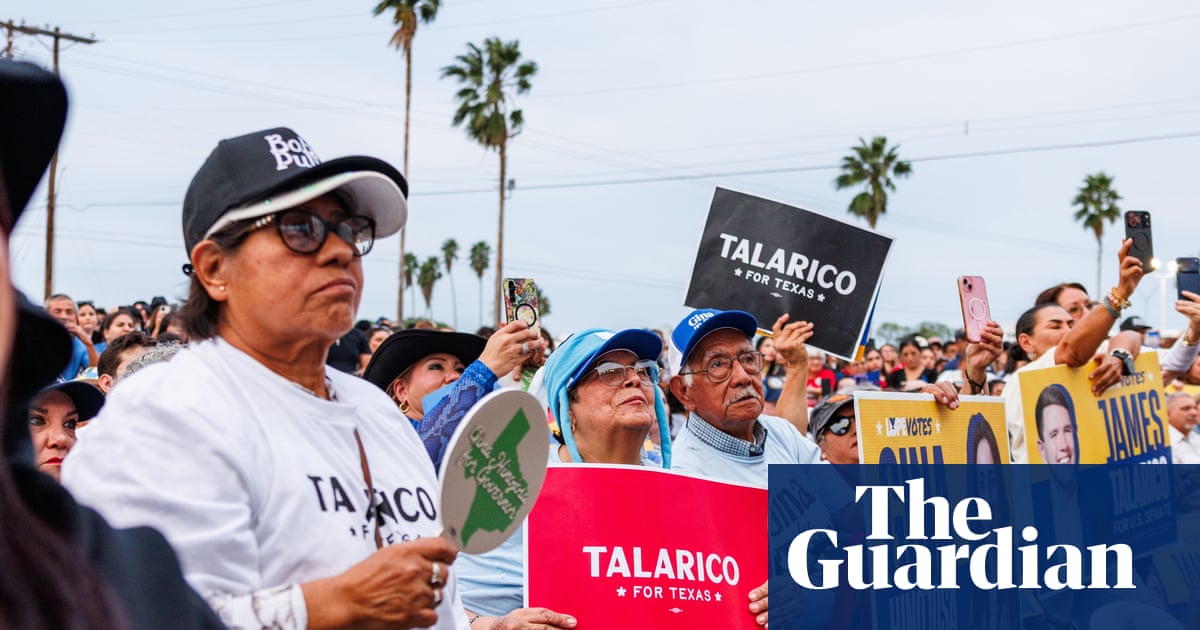
The electoral consequences were immediate and significant. Democrats leveraged this surge in Latino turnout to win control of both the House of Representatives and the Senate. Additionally, they secured governorships in states such as Texas, Georgia, Arizona, and Nevada. In Texas, which has the second-largest Hispanic population in the country, voters elected Gina Hinojosa as governor. Her victory marks a historic break from decades of Republican dominance in the state.
Hinojosa, a native of the Rio Grande Valley with an immigrant mother, represents a symbolic shift in Texas politics. Similarly, in California, Xavier Becerra is set to become the first elected Latino governor of the state. These victories highlight the growing political power of Hispanic Americans in major electoral contests. Activists and politicians alike have framed these wins as a direct response to what they describe as relentless attacks on their communities by federal authorities.
In South Texas, Democrats achieved sweeping victories in congressional districts along the Mexican border. They won all four seats in this region, including three that had been gerrymandered to favor Republicans. The strategy to bolster GOP control backfired, with incumbent Henry Cuellar and Vicente Gonzalez retaining their seats. Bobby Pulido, a Tejano music star, flipped the heavily Hispanic 15th district, demonstrating the effectiveness of high-turnout efforts in these areas.
Political experts describe this outcome as a clear message from voters who feel their priorities were ignored. Stephanie Valencia of Equis Research characterized the shift as a rejection of misplaced priorities and broken promises. The term 'sleeping giant' has often been used to describe Latino voting power, but this election demonstrated its capacity for decisive action. The results suggest that future electoral strategies must account for this volatile and influential bloc.
The implications for the Republican Party are profound. Any assumption of a stable new alignment with Hispanic voters has been shattered. The party now faces the challenge of rebuilding trust in communities that feel targeted by federal policies. Meanwhile, Democrats have capitalized on this momentum to reshape leadership at both the state and federal levels. The coming months will likely see continued focus on immigration issues as a central theme in political discourse.
As the dust settles from this historic election, the role of Latino voters remains a critical factor in American politics. Their ability to swing elections in key states underscores their importance in future campaigns. Both parties must now navigate a landscape where this demographic’s support is neither guaranteed nor static. The lessons from Tuesday’s results will likely influence political strategies for years to come.
Sources behind this briefing
Go to the original reporting
- The Guardian US↗Trump wooed Latino voters, but his ICE tactics sent them back to the polls: ‘They’re taking our neighbors’


