The short version
- Exports from Colombia’s Caribbean region dropped significantly in the third quarter of 2026 due to high winds and other extreme weather events associated with El Niño.
- Fairtrade research indicates that productivity losses during previous cycles were severe, with current impacts expected to be worse than those seen in 2023-24.
- Industry leaders and ethical trade bodies are urging retailers to adjust purchasing practices so that prices reflect the true cost of climate adaptation and labor.
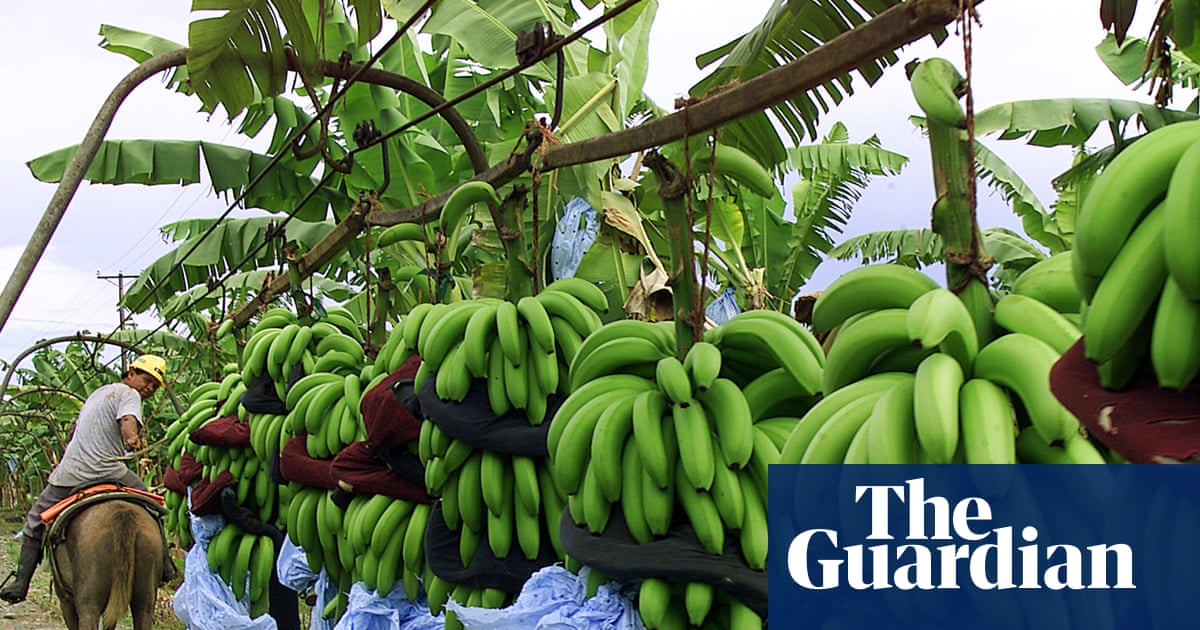
Producers of bananas across Latin America are intensifying their demands for higher compensation as they confront sharp declines in output driven by extreme weather. The current super El Niño event has brought high winds to parts of Colombia, heavy rainfall to Peru and Ecuador, and predicted drought conditions to the Dominican Republic. These climatic shifts are disrupting harvests in some of the world’s most significant banana-supplying regions, creating immediate economic pressure on farmers who rely on stable yields for their livelihoods.
Data from the third quarter of 2026 illustrates the severity of the disruption. Exports from Colombia’s Caribbean region, a major supplier to the United Kingdom market, fell by 32 percent between July and September compared to the same period last year. Total export value during this window dropped to $122 million. In September alone, shipments decreased by 42 percent year-over-year, causing earnings to nearly halve from $70 million to $40 million. The Association of Banana Growers of Magdalena and La Guajira reported that these losses are undermining the economic sustainability of the industry.
Historical data suggests that the current cycle could be particularly damaging. Fairtrade research indicates that during the previous El Niño cycle, productivity among its member farmers and workers dropped by 13 percent in the Dominican Republic, 22 percent in Ecuador, and 6 percent in Peru. The association notes that the impacts of the current event are expected to be more severe than those experienced in the 2023-24 cycle. Dr. Carley-Jane Stanton, a climate lead at Fairtrade, warned that extreme weather patterns including heavy rain and strong winds will likely exacerbate these trends.
The long-term outlook for banana cultivation is equally concerning. Research published by the Inter-American Development Bank in 2020 suggests that suitable land for banana farming could shrink by an average of 61 percent across Latin America and the Caribbean by 2050 if climatic changes continue unchecked. This projection underscores the urgency of adapting agricultural practices to withstand increasingly volatile weather patterns, which also raise the likelihood of pests and diseases affecting crop health.
Workers on the ground are already feeling the strain. Ever Antonio Flores Muños, a worker at Agrosiete in Colombia, described a decade of intensifying heat and frequent flooding. He noted that climate-related losses pose a direct threat to wages and job security for agricultural laborers. The physical toll of extreme weather is expected to impact worker health as well, adding another layer of complexity to the sector’s operational challenges.
Despite these rising costs and production risks, consumer prices for bananas in supermarkets have remained largely unchanged for nearly four decades. This stagnation occurs even as expenses for fertilizer, fuel, and labor continue to climb. A study by the Ethical Trading Initiative found that in 2026, prices paid to suppliers failed to cover basic production costs for more than two-thirds of them. This gap between retail pricing and actual production expenses leaves farmers with little capital to invest in resilience measures.
Industry stakeholders are calling for structural changes in how international markets engage with banana producers. The Association of Banana Growers urged commercial partners to recognize actual production costs and support sector sustainability. Fairtrade is advocating for legislation in the UK to address unfair trading practices, such as late payments and contracts that shift risk onto farmers. Such measures would allow producers to reinvest in climate-resilient crops and better working conditions.
Some retailers have already taken voluntary steps to improve supply chain ethics. Companies including Sainsbury’s, the Co-op, and Waitrose now source only Fairtrade bananas, which guarantee a minimum price for growers. However, leaders argue that broader industry adoption is necessary. Eleanor Harrison, chief executive of Fairtrade, emphasized that fair prices and climate resilience are interconnected goals essential for securing the future of banana supplies.
Major suppliers are also acknowledging the need for reform. Caoimhe Buckley, chief corporate affairs officer at Fyffes, stated that the long-term viability of the banana sector depends on purchasing practices that account for environmental management, human rights due diligence, and decent wages. Without adjustments to reflect the real cost of sustainable production, the industry risks further instability as climate pressures mount.
The path forward requires coordinated action from retailers, governments, and producers. While voluntary initiatives provide some relief, systemic changes in pricing and contract structures are needed to ensure that farmers can adapt to a changing climate. The coming months will likely see continued volatility in supply and output, testing the resilience of both agricultural communities and global food systems.
Sources behind this briefing
Go to the original reporting
- The Guardian World↗Banana producers in Latin America want better pay to cope with effects of climate crisis


