The short version
- President Trump barred journalists from CNN, Politico, and MSN.com from White House premises, citing their publication of negative stories.
- Late-night television hosts characterized the exclusion as an authoritarian crackdown that disregards First Amendment rights and democratic norms.
- Major broadcast networks issued a joint statement condemning the restrictions, emphasizing the public’s right to independent government information.
The White House press pool has undergone a significant contraction following President Donald Trump’s decision to bar journalists from several prominent news organizations. Over the weekend, reporters affiliated with CNN, Politico, and MSN.com were denied access to White House grounds. The administration justified this exclusion by pointing to what the president described as purposely negative coverage. This move represents an escalation in the ongoing tension between the executive branch and the press corps.
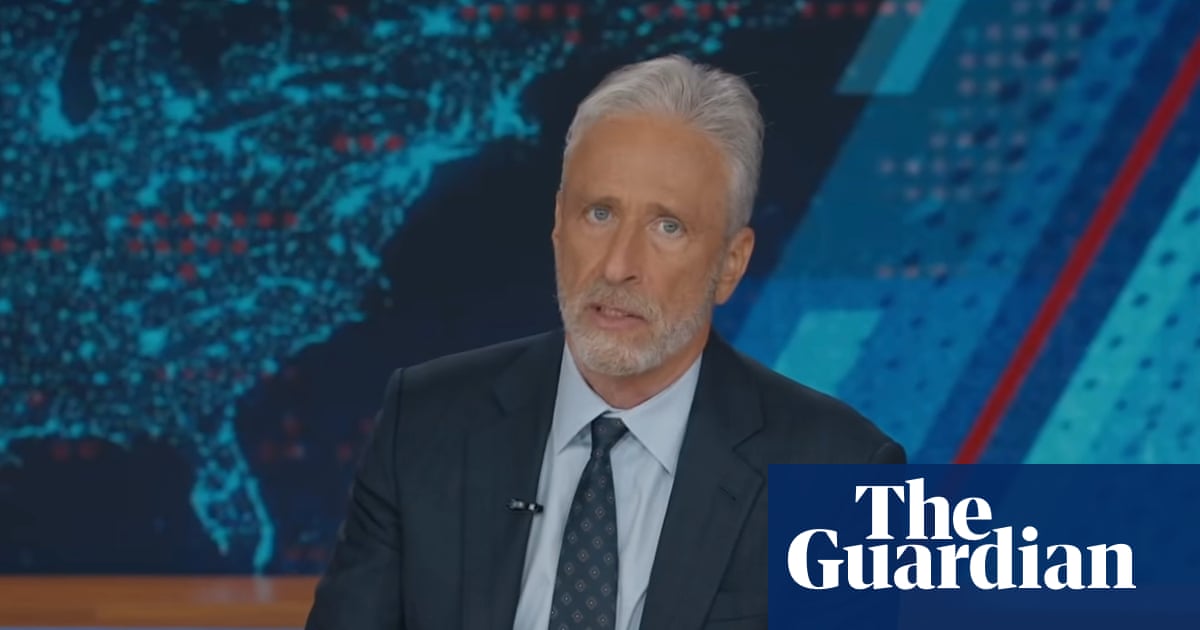
Jon Stewart addressed the development on Monday’s episode of The Daily Show, describing the policy shift as an authoritarian crackdown. He noted that the president appeared to disregard constitutional constraints, suggesting a lack of respect for established legal boundaries. Stewart mocked the administration’s rationale, advising the president to improve his performance rather than silence critics. He highlighted the irony of a leader claiming to defend American values while simultaneously restricting press access.
Seth Meyers returned from summer hiatus to address the broader economic and political climate, linking the media ban to rising consumer costs and trade disputes. He used humor to underscore the severity of diesel price hikes and potential shortages of everyday goods like toilet paper due to tensions with Canada. Despite the comedic tone, Meyers emphasized the serious implications of a government that restricts information flow while facing public dissatisfaction over living expenses.
Jimmy Kimmel focused on the personal nature of the president’s grievances, suggesting that the ban stemmed from wounded feelings rather than policy disagreements. He pointed out that Trump referred to the White House as the people’s house while simultaneously excluding those who report on its operations. Kimmel noted the unusual alignment of major networks, including Fox News, in condemning the restrictions. This collective stance signals a rare moment of unity across partisan media lines.
The five major broadcast networks released a joint statement affirming the public’s interest in accurate and independent information. They argued that no administration should restrict news organizations based on editorial content. This coordinated response underscores the gravity of the situation, as even traditionally conservative outlets joined their peers in defending press freedom. The statement serves as a formal rebuke of the president’s actions.
Trump defended his decision by stating he did not want certain journalists in his office or on White House property. He framed the ban as a simple matter of personal preference rather than a political maneuver. However, critics argue that this distinction is meaningless when applied to government facilities that serve as centers of public accountability. The exclusion limits the ability of reporters to witness and document official proceedings.
The incident raises questions about the future of press access in Washington. If the administration continues to exclude outlets based on editorial stance, it could set a precedent for further restrictions. Journalists may face increasing barriers to covering government activities, potentially reducing transparency. The situation highlights the fragility of institutional norms when challenged by executive authority.
Observers note that the ban affects not only the excluded networks but also the broader media ecosystem. When major outlets are barred, it disrupts the flow of information and creates gaps in coverage. This can lead to reliance on less rigorous sources or speculation. The long-term impact on public trust in government remains uncertain, but the immediate effect is a more fragmented news environment.
The response from late-night hosts reflects a broader cultural anxiety about democratic backsliding. By framing the ban as an attack on freedom of the press, these commentators connect current events to historical concerns about authoritarianism. Their critiques serve both as entertainment and as civic commentary, urging viewers to remain vigilant. The situation continues to evolve as more details emerge.
What comes next depends on whether the administration expands these restrictions or faces legal challenges. Courts may need to intervene if press freedoms are further infringed. Meanwhile, news organizations will likely adjust their strategies to cope with limited access. The public remains central to this debate, as their right to information is at stake. The coming weeks will reveal the durability of these new policies.
Sources behind this briefing
Go to the original reporting
- The Guardian US Politics↗Jon Stewart on Trump’s White House media ban: ‘authoritarian crackdown’