The short version
- American Airlines Flight 2398 landed safely in Dallas after a laptop caught fire, resulting in minor injuries to several passengers.
- Crew members contained the blaze mid-air while air traffic control audio confirmed smoke and burns among travelers near the device.
- Regulators highlight a rising trend of lithium battery incidents, urging stricter adherence to carry-on storage rules for portable electronics.
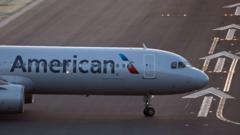
A routine transcontinental flight ended in an emergency landing on Friday after a passenger’s laptop caught fire during descent. American Airlines Flight 2398, traveling from Atlanta, Georgia, touched down safely at Dallas Fort Worth International Airport in Texas following reports of smoke originating from a personal electronic device. The incident underscores persistent safety challenges associated with lithium-ion batteries, which power most modern portable electronics but carry inherent risks of thermal runaway under certain conditions.
Audio recordings obtained from air traffic control communications reveal the urgency of the situation as the aircraft approached its destination. The pilot announced a cabin fire located in the rear section of the Airbus A321, noting that flight attendants were actively attempting to extinguish the flames. The captain further reported that approximately four to five passengers had sustained burns from the incident, with the source of the fire contained roughly in the middle of the aircraft fuselage. Despite the distressing circumstances, the crew managed to secure the situation before wheels touched the tarmac.
Upon arrival, airport officials confirmed that one passenger required medical attention but was subsequently released without serious harm. American Airlines issued a statement praising the professionalism and rapid response of its cabin crew, who successfully contained the device before it could cause widespread damage or panic. The airline emphasized that the flight landed safely despite the reports of smoke during the final stages of landing. No further details regarding the extent of property damage or the specific model of the laptop were immediately disclosed by the carrier.
This event adds to a growing list of aviation incidents linked to battery failures, drawing attention to regulatory warnings issued by federal authorities. The Federal Aviation Administration has noted that lithium batteries can overheat due to various factors, including physical damage, exposure to water, improper charging, or defective manufacturing. According to FAA data, there have been 58 verified incidents involving smoke, fire, or extreme heat from lithium batteries in aircraft this year alone. Over the past two decades, laptop battery packs have accounted for the highest number of such cases, with 84 recorded instances.
Regulators consistently advise that lithium batteries must be stored in carry-on baggage rather than checked luggage to allow crew members immediate access should a malfunction occur. Stowing these devices in the cabin enables rapid intervention if signs of overheating or venting appear, potentially preventing a small incident from escalating into a major fire. The FAA’s guidelines reflect lessons learned from past accidents where unchecked battery fires in cargo holds proved difficult to suppress due to limited access and delayed detection.
International aviation bodies are also sounding alarms about the increasing frequency of portable charger-related disruptions. The UK’s Civil Aviation Authority has warned that power banks pose serious risks of overheating or igniting, contributing to a rise in serious issues on flights worldwide. Recent examples include an EasyJet flight diverted from Egypt to Rome after a charging power bank was discovered in checked luggage. Such incidents highlight the need for greater passenger awareness and stricter enforcement of storage regulations across global carriers.
The broader context of this incident reflects ongoing tensions between convenience and safety in modern air travel. As passengers rely increasingly on multiple electronic devices during flights, the potential for battery-related hazards grows proportionally. Airlines and regulators continue to balance the demand for connectivity with the imperative to minimize fire risks in confined, pressurized environments. While technology improves, human error and equipment defects remain variables that cannot be entirely eliminated.
Investigations into the Dallas incident are likely to focus on the condition of the laptop battery and whether it complied with all applicable safety standards. Authorities may examine maintenance records, purchase history, and any prior complaints related to the device. Until more information becomes available, travelers are reminded to inspect their electronics for signs of swelling or damage before boarding and to follow airline instructions regarding device usage during critical phases of flight.
What comes next involves monitoring whether this event triggers renewed scrutiny of battery safety protocols or leads to updated guidelines for passenger education. Aviation safety experts may call for enhanced training for cabin crews on handling lithium battery fires, as well as improved detection systems for early warning signs. For now, the safe landing and containment of the fire serve as a testament to effective emergency procedures, even as they highlight the persistent vulnerabilities inherent in relying on high-energy-density power sources at thirty thousand feet.
As the aviation industry continues to adapt to evolving technological landscapes, incidents like this one reinforce the importance of vigilance among both operators and passengers. The integration of new battery technologies offers promise for longer flight ranges and reduced emissions, but it also introduces complex safety considerations that require careful management. Until robust solutions emerge, adherence to existing regulations remains the best defense against preventable disasters in the skies.
Sources behind this briefing
Go to the original reporting
- BBC News↗Laptop catches fire on US flight, pilot reports

