The short version
- Fourteen people died and seven were injured when a hillside collapsed above a monastery in northern Ethiopia.
- Victims had gathered for an overnight prayer service involving a holy water cleansing ritual popular among Orthodox Christians.
- The incident highlights recurring landslide risks during the rainy season, exacerbated by climate change trends in East Africa.
Rescue teams have suspended their search efforts at a mountain monastery in Ethiopia’s northern Amhara region after confirming that fourteen people were killed in a landslide. The disaster occurred in the early hours of Monday morning when a hillside above the Tsadqane Debre Mitmaq St Mary Monastery gave way, burying part of the site under debris. Local authorities have halted further excavation, indicating that no additional survivors are expected to be found in the rubble.
The victims had gathered inside a prayer chamber carved directly into the mountainside for an overnight religious service. This specific event included a holy water cleansing ritual, a practice widely sought by Ethiopian Orthodox Christians who believe it offers spiritual healing for chronic illnesses. According to diocese officials, many of those who perished were present specifically to receive this blessing, underscoring the communal nature of the gathering and the tragic timing of the geological failure.
In addition to the fourteen fatalities, seven individuals were pulled from the debris with injuries, five of whom are in serious condition. Emergency responders, security personnel, healthcare workers, and local residents collaborated on the rescue operation before it was called off. Identifying all victims has proven difficult for authorities, complicating the process of notifying families and arranging burials.
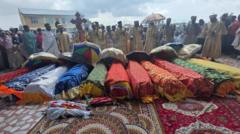
Funeral services have already taken place for eleven of the deceased at the monastery site itself. The remaining bodies have been transported to their hometowns for burial in accordance with local customs and family wishes. Archbishop Abune Klementos, who leads the North Shewa Diocese of the Ethiopian Orthodox Church, traveled to the scene to conduct funeral prayers, offer support to the injured, and provide comfort to grieving relatives.
The collapse was triggered by heavy rainfall that persisted throughout the night prior to the incident. Dagnachew Azbite, a senior local official, attributed the slide directly to this sustained precipitation, which saturated the soil above the cave structure. Such weather patterns are characteristic of Ethiopia’s primary rainy season, which typically spans from June through August and brings significant moisture to highland areas.
Landslides represent a persistent and deadly hazard in Ethiopia during these months. The country has experienced several major weather-related disasters in recent years. In March of this year, floods and landslides linked to heavy rains claimed more than one hundred lives in the southern Gamo Zone area. These events demonstrate the widespread vulnerability of different regions within the country to extreme hydrological events.
The frequency and severity of such incidents have drawn attention from scientists studying climate trends in East Africa. Research over the past two decades indicates a rise in both extreme wet spells and prolonged dry periods across the continent. Experts warn that human-driven climate change is intensifying these weather patterns, making severe downpours more common and potentially more destructive.
The July 2024 landslide in the neighboring Geze Gofa Zone serves as a stark reminder of the potential scale of these disasters. That event killed more than 229 people, including rescuers, and remains one of the deadliest weather-related incidents in the country’s recent history. The current tragedy at the St Mary Monastery adds to a growing record of losses associated with climate-vulnerable infrastructure and seasonal weather extremes.
As communities begin to recover from this specific loss, the broader implications of changing weather patterns remain a critical concern for regional planners and religious leaders alike. The intersection of sacred sites built into unstable terrain and increasingly volatile rainfall presents ongoing challenges for safety management in Ethiopia’s highland regions.
Sources behind this briefing
Go to the original reporting
- BBC World↗Deadly landslide hits Ethiopia mountain monastery during prayer service

