The short version
- California and 28 other states have sued Meta for allegedly designing addictive social media platforms that harm children and violate federal and state privacy laws.
- Prosecutors argue Meta's business model relies on a four-step strategy: hooking users, holding their attention, harvesting data, and hiding the truth from the public.
- Meta denies all allegations, stating it prohibits under-13 accounts and has implemented safety tools, while facing potential damages equivalent to its annual revenue.
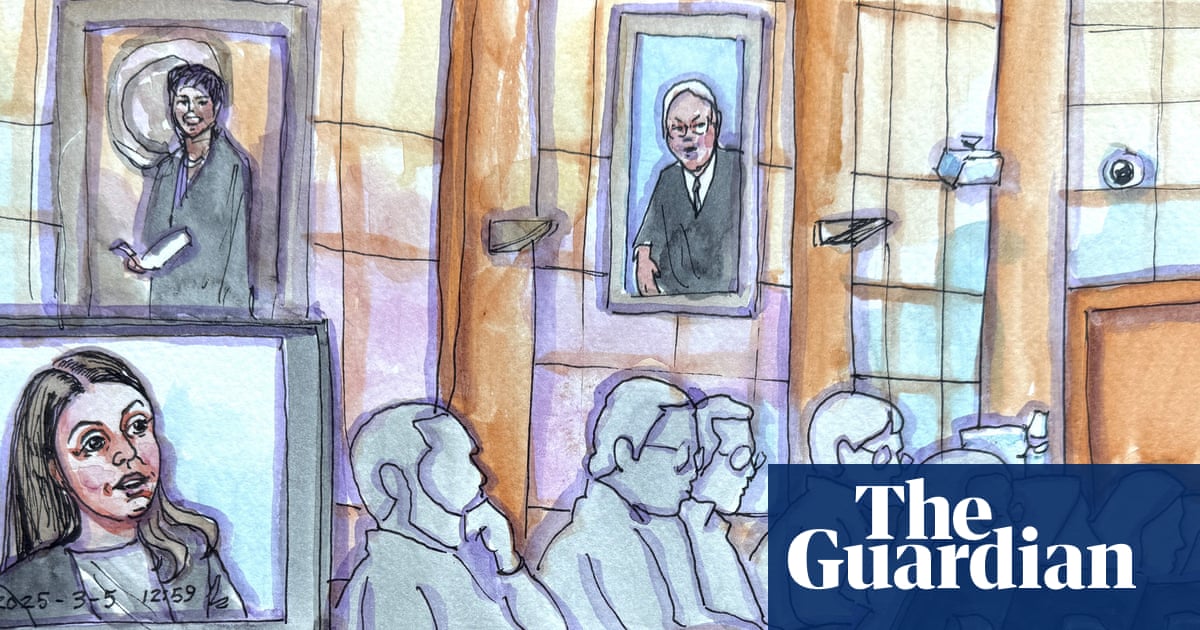
A landmark legal battle against Meta Platforms Inc. began in Oakland, California, with prosecutors from 29 states accusing the social media giant of designing addictive products that endanger children. The trial, which opened on Tuesday, centers on allegations that the company violated US federal child privacy laws and state-level consumer protection statutes by collecting data on users under the age of 13 without parental consent. The coalition, led by attorneys from California, Colorado, Kentucky, and New Jersey, argues that Meta’s core business practices are inherently harmful to young users.
Megan O’Neill, a lawyer representing the state of California, outlined the prosecution’s central thesis during opening statements. She described Meta’s operational strategy using four words: hook, hold, harvest, and hide. According to O’Neill, the company “hooks” in users, “holds” them on its platforms for extended periods, “harvests” their personal data, and then “hides” the truth from the public. She asserted that this business model proved particularly effective when applied to children, leading to significant harm.
The financial stakes of the trial are substantial. If Meta is found liable, damages could reach as high as $200 billion, an amount roughly equivalent to the company’s annual revenue in 2025. Beyond monetary penalties, the states are seeking injunctive relief that would force Meta to redesign its products to make them safer for children. Such a mandate could have permanent effects on the company’s business model and alter how its social media platforms operate globally.
Meta has firmly denied all allegations brought by the states. Liza Crenshaw, a spokesperson for the company, characterized the lawsuit as an attempt to chase an “outlandish payout” rather than adhering to facts or law. During opening statements, Paul Schmidt, an attorney for Meta, acknowledged that people can struggle with social media usage but argued that the company has developed tools to address these challenges. He emphasized that Meta does not allow children under 13 to register for accounts and noted that the company had disabled more than one million accounts belonging to young users who violated this policy.
The trial is expected to last between six and eight weeks. Eight jurors have been selected to hear testimony from attorneys, former employees, and experts, including a psychologist. The jury’s role is advisory; they will provide recommendations to the presiding judge, Yvonne Gonzalez Rogers, who will make the final decision on the verdict and any awarded damages. Key executives, including Meta CEO Mark Zuckerberg and Instagram CEO Adam Mosseri, are expected to testify during the proceedings.
This case represents one of the most significant legal challenges Meta has faced regarding child safety. The company is currently defending against thousands of similar lawsuits filed by families, school districts, and other attorneys general across the United States. In March, Meta lost the first two of these cases to go to trial. In the initial ruling, the company was ordered to pay nearly $1 billion to the state involved, setting a precedent that has intensified scrutiny on its data practices and product design.
The prosecution argues that Meta’s reliance on user engagement metrics drives it to prioritize retention over safety, particularly for vulnerable demographics. Critics within the tech industry have long debated the ethical implications of algorithmic feeds designed to maximize time spent on platforms. This trial brings those abstract concerns into a formal legal setting, with the potential to redefine regulatory standards for social media companies.
As the trial progresses, the focus will shift from opening arguments to detailed evidence regarding Meta’s internal communications and product development processes. Former employees are expected to provide insight into how decisions were made regarding age verification and content moderation. The outcome of this case could influence not only Meta’s future operations but also the broader landscape of digital privacy and child protection laws in the United States.
The proceedings highlight a growing tension between tech companies’ profit models and public interest concerns. While Meta maintains that it is committed to user safety, the states argue that structural changes are necessary to prevent harm. The jury’s advisory verdict will serve as a critical indicator of how the legal system views the responsibility of platform designers in mitigating the risks associated with addictive technology.
With the trial underway, attention remains on whether the evidence presented will support the claim that Meta intentionally designed its platforms to exploit children’s psychological vulnerabilities. The resolution of this case could set a precedent for future litigation involving big tech and child welfare, potentially reshaping how social media companies approach user data and platform design.
Sources behind this briefing
Go to the original reporting
- The Guardian US↗Hook, hold, harvest and hide: Meta’s alleged strategy laid out in first week of landmark trial
- The Guardian↗Hook, hold, harvest and hide: Meta’s alleged strategy laid out in first week of landmark trial
- Los Angeles Times↗‘The young ones are the best ones’: Meta on trial for alleged effort to hook kids
- U.S. News & World Report↗Meta Defends Its Child Safety Efforts but Critics Say the Social Media Giant Falls Short
