The short version
- Labour has ceased cooperation with the Green Party in eleven local authorities after those groups declined to condemn a new party policy stating that Zionism is racism.
- Six other councils maintained their alliances by having local Green representatives disavow the motion, allowing power-sharing arrangements to continue in those areas.
- The split creates immediate governance challenges for affected municipalities, which must now navigate minority administrations or seek new coalition partners amid accusations of political intimidation.
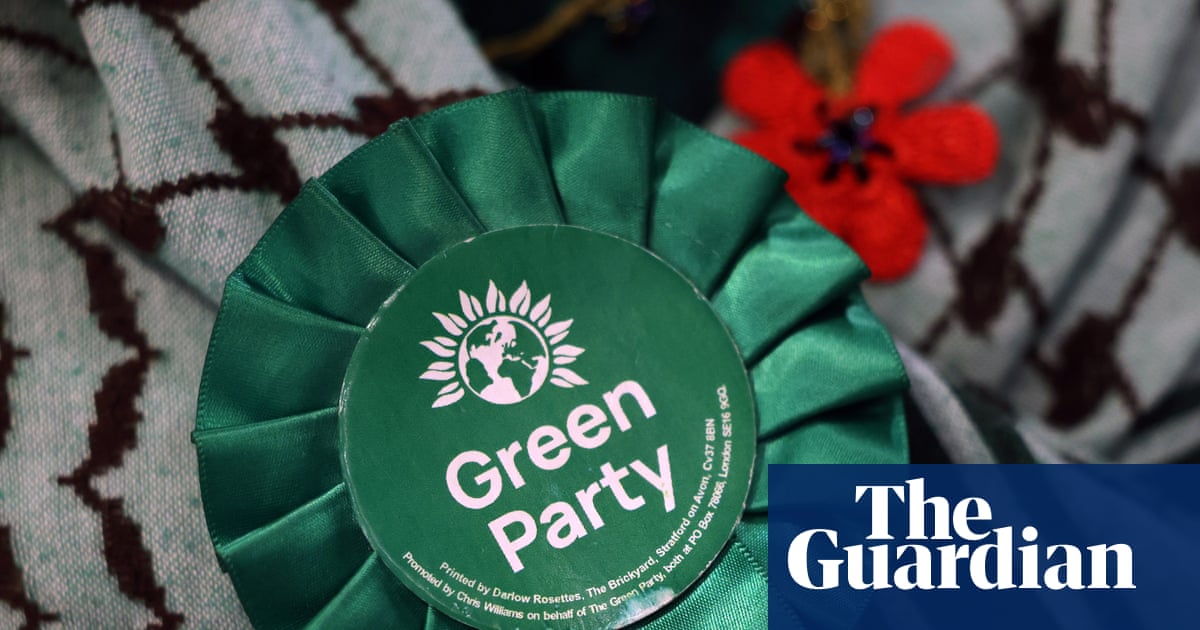
Labour has formally ended its local government partnerships with the Green Party in eleven councils across England, marking a significant fracture in the ruling party’s broader electoral strategy. The decision follows an ultimatum issued by Labour leadership requiring local Green groups to explicitly reject a controversial policy adopted at the Greens’ recent national conference. That motion equates Zionism, the movement supporting Jewish self-determination, with racism and calls for the replacement of Israel with a single Palestinian state guaranteeing equal rights for all residents.
Bridget Phillipson, chair of the Labour Party, stated that the motion crosses an unacceptable line regarding antisemitism. She emphasized that no power-sharing arrangement can proceed if it compromises the moral obligation to support all community members and uphold shared democratic values. According to Labour, the party fought extensively to eliminate antisemitism from its own ranks and will not collaborate with any political entity that supports a policy viewed as discriminatory against Jewish people.
The breakdown affects councils including Sheffield, Warwick, Lewes, Derbyshire Dales, Havant, Stafford, Wealden, West Devon, and West Suffolk. Cooperation had already ceased in Runnymede prior to this announcement. In contrast, alliances remain intact in six other authorities: Broadland, Monmouthshire, North Somerset, Rother, West Oxfordshire, and West Sussex. These local Green groups chose to condemn the national party’s motion, thereby meeting Labour’s conditions for continued collaboration. Additionally, cooperation continues in the West of England mayoralty, where a Green deputy mayor serves alongside a Labour mayor.
The Green Party has expressed deep disappointment with Labour’s actions, characterizing them as top-down directives that jeopardize successful progressive partnerships. In a joint statement with the Local Government Association Green Group, they argued that local leaders are best positioned to determine what serves their communities. They accused national party officials of ignoring local judgments and disrupting stable governance structures that have delivered tangible benefits to residents through cross-party cooperation.
Internal divisions within the Green Party are evident regarding the contentious motion. While the policy was approved by members, it has faced criticism from four of the party’s five MPs and former leader Caroline Lucas. Former co-leader Adrian Ramsay has called for internal democratic reforms to prevent hardline factions from dominating party direction. Conversely, current leader Zack Polanski has defended the core premise of the motion, arguing that Israel’s actions toward Palestinians are underpinned by racist ideology, though he acknowledged the wording may be imperfect.
The practical implications of these severed ties are immediate for affected municipalities. In Sheffield, one of the largest impacted councils, Labour leader Fran Belbin announced plans to proceed as a minority administration. She cited a complete breakdown of trust with local Green representatives, accusing them of failing to stand up for Jewish citizens. The shift means that budget approvals and policy decisions may face delays as councils navigate new political realities without established coalition frameworks.
Local Green leaders have pushed back against the characterization of their stance as antisemitic. Angela Argenzio, leader of the Sheffield Greens, insisted that local councillors are not antisemitic and criticized Labour for prioritizing national directives over local concerns. Similarly, in Warwick, the local Green party refused to condemn a democratically decided policy, labeling Labour’s demands as political intimidation. They urged Prime Minister Andy Burnham to allow local groups autonomy in decision-making.
The Equality and Human Rights Commission has sought further information from the Greens regarding the motion to assess its practical implications and potential impact on protected characteristics. This regulatory scrutiny adds another layer of complexity to the dispute. As local administrations adjust to the new landscape, residents may experience shifts in service delivery and policy priorities. The situation highlights the tension between national party discipline and local governance pragmatism in a fragmented political environment.
Looking ahead, the affected councils must determine how to govern effectively without their previous partners. Some may seek alternative coalition arrangements with independent or Liberal Democrat councillors, while others may operate as minority administrations. The outcome of these negotiations will influence the stability of local services and the ability of councils to implement long-term plans. Meanwhile, the national debate over the definition of antisemitism and the role of Zionism in political discourse continues to shape party dynamics and public perception.
This development underscores the challenges facing Labour as it seeks to maintain unity while addressing sensitive geopolitical issues. The decision to sever ties with Greens who did not disavow the motion signals a firm stance on antisemitism but risks alienating progressive allies. As local governments adapt, the broader political implications will likely extend beyond council chambers, influencing future electoral strategies and inter-party relations in the United Kingdom.
Sources behind this briefing
Go to the original reporting
- The Guardian World↗Labour to end cooperation with Greens in 11 councils over ‘Zionism is racism’ policy
- BBC News↗Labour ends power-sharing with Greens in 11 councils over Zionism row


