The short version
- Prime Minister Andy Burnham has called for an honest discussion about returning to free movement with the European Union, signaling a potential shift in Labour’s post-Brexit stance.
- Senior cabinet members like Angela Rayner support the pragmatic approach, while Home Secretary Shabana Mahmood and several red wall MPs express caution regarding the political risks.
- Opposition leaders from the Conservatives and Reform UK have condemned the remarks as a betrayal of Brexit promises, highlighting deep partisan divides on immigration policy.
Prime Minister Andy Burnham has initiated a significant shift in the United Kingdom’s post-Brexit trajectory by suggesting that the government should no longer treat free movement with the European Union as an immutable red line. In recent interviews, the prime minister argued for an evidence-based conversation regarding the potential benefits of re-engaging with Brussels, including possibilities ranging from single market access to full membership. This stance marks a departure from the strict boundaries previously set by his party’s election manifesto, which explicitly ruled out returning to free movement or joining the customs union.
Burnham framed his comments around the changing nature of migration flows since the 2016 referendum. He noted that previous concerns centered on temporary, revolving-door migration among young workers, whereas current net migration figures have reached historic highs under a new points-based system. By characterizing the current situation as distinct from the pre-Brexit era, he aims to justify reopening negotiations without appearing to abandon core Brexit principles entirely. However, he maintained that adopting the euro or joining the Schengen passport-free zone remains off the table.
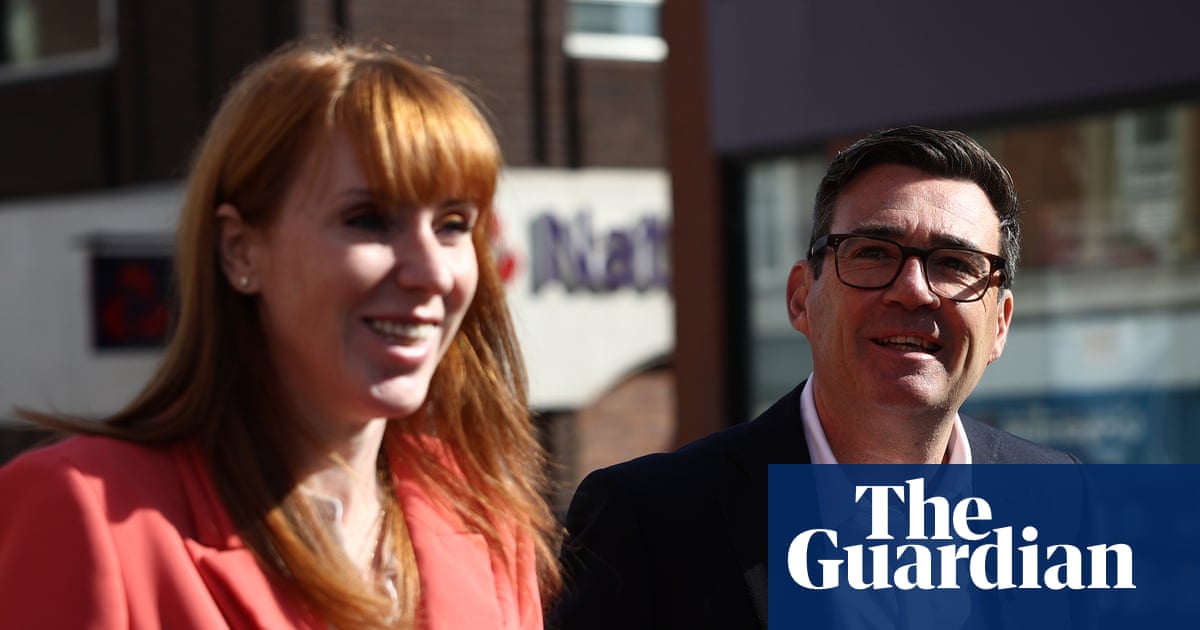
Within the Labour government, reactions have been mixed but generally supportive of a pragmatic review. Deputy Prime Minister Angela Rayner endorsed Burnham’s approach, describing it as necessary pragmatism aimed at securing the best possible deal for Britain. She emphasized that excluding any option from negotiations limits the government’s ability to address economic challenges. Other senior figures, including Foreign Secretary Ed Miliband and Stella Creasy, have echoed calls for a mature discussion on how EU integration might support supply chains and domestic employment.
Despite this high-level support, significant caution exists within the cabinet and parliamentary ranks. Home Secretary Shabana Mahmood has warned that rejoining the EU involves complex trade-offs that are not straightforward to resolve. She highlighted the difficulty of eliminating trade friction without accepting associated burdens, reflecting a broader unease among ministers who must balance economic ambitions with political realities. Several MPs representing constituencies in the north and Midlands, often referred to as the red wall, have expressed wariness about reopening debates on free movement, fearing backlash from voters who prioritized border control during the Brexit campaign.
The opposition has responded with fierce criticism, framing Burnham’s comments as a fundamental betrayal of democratic mandates. Conservative leader Kemi Badenoch dismissed the proposal as ill-considered, arguing that most Brexit supporters voted specifically to end free movement. She accused the prime minister of failing to grasp the impact of immigration on local communities and warned against repeating past failures in delivering border control. Reform UK leader Nigel Farage went further, labeling the remarks a total betrayal of Brexit Britain and accusing Burnham of dishonesty regarding the nature of migration during EU membership.
Economic arguments are central to both sides of the debate. Proponents like Liberal Democrat deputy leader Daisy Cooper argue that rejoining the single market would boost growth and help address issues such as the small boats crisis through better cooperation on asylum policies. Conversely, critics point to high youth unemployment rates, with over one million young people currently out of work or training. Conservative MP Jeremy Hunt argued that prioritizing free movement undermines efforts to fill jobs with domestic workers, suggesting that the government should focus on utilizing existing labor pools rather than expanding immigration.
Polling data indicates a gradual softening of public opinion regarding EU relations, with increasing numbers of voters open to rejoining the single market or establishing closer ties. This shift provides some political cover for Burnham’s exploratory stance, even as hardline opponents remain vocal. The prime minister has indicated that any substantial changes to the UK’s relationship with Europe would require a mandate from the public, likely through a general election scheduled by 2029. For now, the government appears to be testing the waters ahead of an upcoming EU summit in November.
As the UK prepares for diplomatic engagements in Brussels, the internal and external pressures on the Labour government are intensifying. The debate underscores the enduring difficulty of reconciling economic pragmatism with the political legacy of Brexit. While Burnham seeks to frame this as a factual discussion about trade-offs, his opponents view it as a dangerous precedent that could unravel years of political positioning. The coming months will likely see continued friction between those advocating for deeper European integration and those committed to maintaining strict border controls.
Sources behind this briefing
Go to the original reporting
- The Guardian World↗Rayner backs Burnham call for debate on return to free movement with EU
- BBC News↗Burnham open to 'honest discussion' on EU free movement