The short version
- Green party research indicates Labour may lose up to fifty parliamentary seats if new North Sea drilling is approved.
- Polling data shows strong voter demand for accelerated climate action in key battleground constituencies across England.
- Labour officials dismiss the projections as unrealistic while emphasizing energy security and cost-of-living concerns.
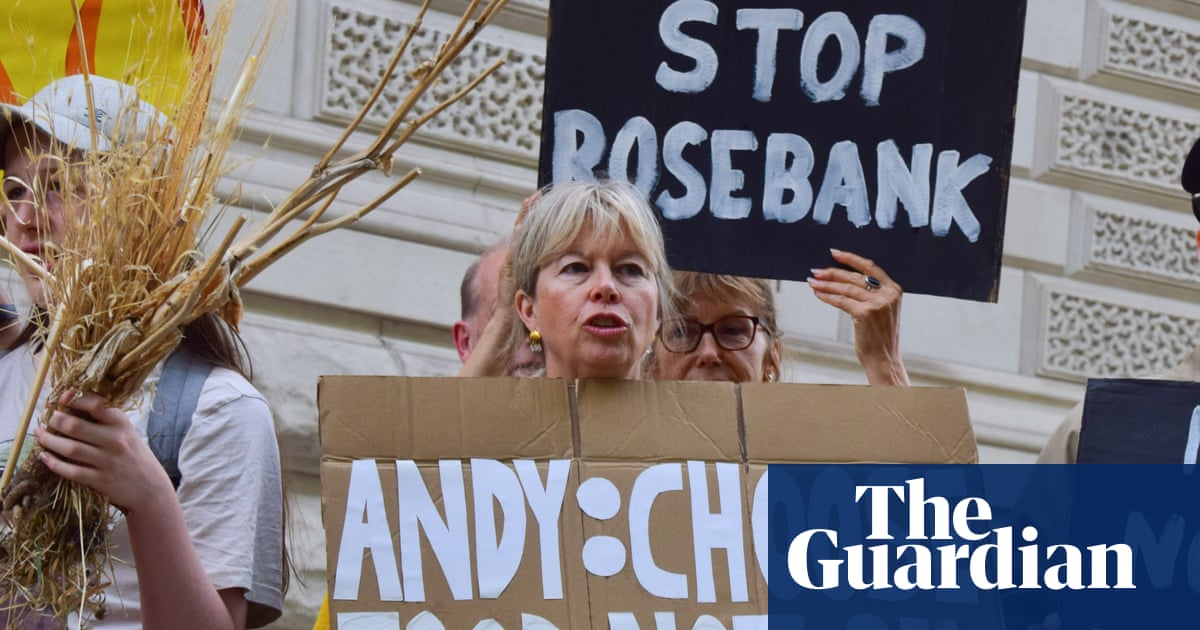
The United Kingdom’s ruling Labour party faces a potential electoral backlash if it proceeds with new oil and gas drilling licenses in the North Sea, according to internal analysis from the Green party. Researchers have identified approximately fifty constituencies where Labour MPs are vulnerable to defeat by environmental candidates should the government fail to prioritize urgent climate measures. This assessment comes as Prime Minister Keir Starmer prepares to make decisions on major projects, including the Jackdaw gasfield and the Rosebank oilfield, with rulings expected in the coming weeks.
The Green party’s strategy relies on data suggesting that voters in these marginal seats are increasingly alarmed by extreme weather events. The UK has experienced record heatwaves, devastating wildfires, and severe droughts this summer, conditions that have heightened public concern over climate policy. Internal polling conducted by Friends of the Earth last year revealed that more than half of voters in every identified Labour-Green battleground constituency support faster government action on the climate crisis. In several areas, support for accelerated measures exceeded two-thirds of respondents.
Rachel Millward, a deputy leader of the Green party, argued that the data presents a clear warning to the government. She stated that if Labour leaders are not persuaded by scientific evidence or moral obligations to keep fossil fuels in the ground, they should heed the polling results. Millward criticized the prime minister for appearing more focused on aligning with international allies like Donald Trump than taking bold domestic action. She characterized the current situation as a crisis comparable to those faced during World War II, demanding decisive leadership rather than hesitation.
Despite these warnings, Labour officials have dismissed the Green party’s projections as unrealistic and politically motivated. A source within the ruling party described the claims as fantasy from a group desperate for relevance. They pointed out that recent trends show the number of seats projected to go to the Greens has fallen significantly, dropping from twenty to seven since Starmer took office. Labour emphasizes its record on delivering lower energy bills, ensuring national energy security, and creating jobs, arguing that these practical outcomes resonate more with voters than abstract climate targets.
The debate centers on how to balance immediate economic concerns with long-term environmental goals. Many Labour MPs are worried about the political fallout of supporting expanded drilling, particularly given the current economic climate. Critics within the party argue that new licenses will not improve energy security or reduce household bills but will instead channel taxpayer money into oil companies that have already reported record profits this year. There is growing concern that approving these projects could alienate progressive voters who were instrumental in Labour’s recent electoral success.
Luke Tryl, a researcher from the polling group More in Common, offered a nuanced perspective on the situation. He noted that urgent climate action serves as an important unifying force within Labour’s broad coalition of supporters. If the government is perceived to be retreating from its net-zero commitments, it risks deterring the progressive voters Starmer has been working to win back. However, Tryl suggested that approving individual licenses might not trigger a massive surge for the Greens if voters believe the overall trajectory toward net zero remains intact.
The prime minister has adopted a pragmatic stance on energy policy, stating that decisions on new drilling will be made in due course. He has emphasized that the key question is not whether Britain will continue to use oil and gas, but rather where those resources come from. This approach aims to balance the need for domestic energy production with environmental responsibilities. Starmer’s cautious rhetoric reflects the delicate political tightrope he must walk between satisfying climate activists and addressing immediate cost-of-living pressures.
As the decision on the Jackdaw and Rosebank projects approaches, the political stakes remain high. The Green party expects a surge in defections from Labour if these licenses are approved, citing the strong voter demand for bolder climate action. Conversely, Labour maintains that a pragmatic approach which continues progress toward net zero while addressing economic concerns is the best way to maintain coalition unity. The outcome of these decisions could significantly shape the political landscape ahead of the next general election.
The divergence in strategy highlights the broader tension within UK politics regarding energy transition. While environmental groups push for an immediate halt to new fossil fuel exploration, the government argues for a managed decline that ensures stability. The upcoming rulings will test whether Starmer’s pragmatic middle ground can satisfy both sides or if it will lead to significant electoral losses. Voters in key constituencies appear closely divided on this issue, making their response critical to Labour’s future prospects.
Ultimately, the conflict underscores the difficulty of governing during a period of rapid environmental change and economic uncertainty. The Green party’s analysis serves as a stark reminder of the political risks associated with perceived inaction on climate change. However, Labour’s defense rests on the belief that practical governance and economic stability are paramount. As the weeks progress, the focus will remain on how these competing priorities play out in the eyes of the electorate.
Sources behind this briefing
Go to the original reporting
- The Guardian World↗Labour ‘could lose up to 50 seats’ to Greens if new drilling in North Sea approved

