The short version
- Communications Minister Anika Wells is introducing legislation to establish a digital duty of care for social media platforms in Australia.
- The proposal includes mandatory algorithmic opt-out features and significant fines for non-compliance, aiming to protect vulnerable users from harmful content.
- Opposition parties argue the plan risks government overreach and censorship, while the Greens demand explicit user consent mechanisms.
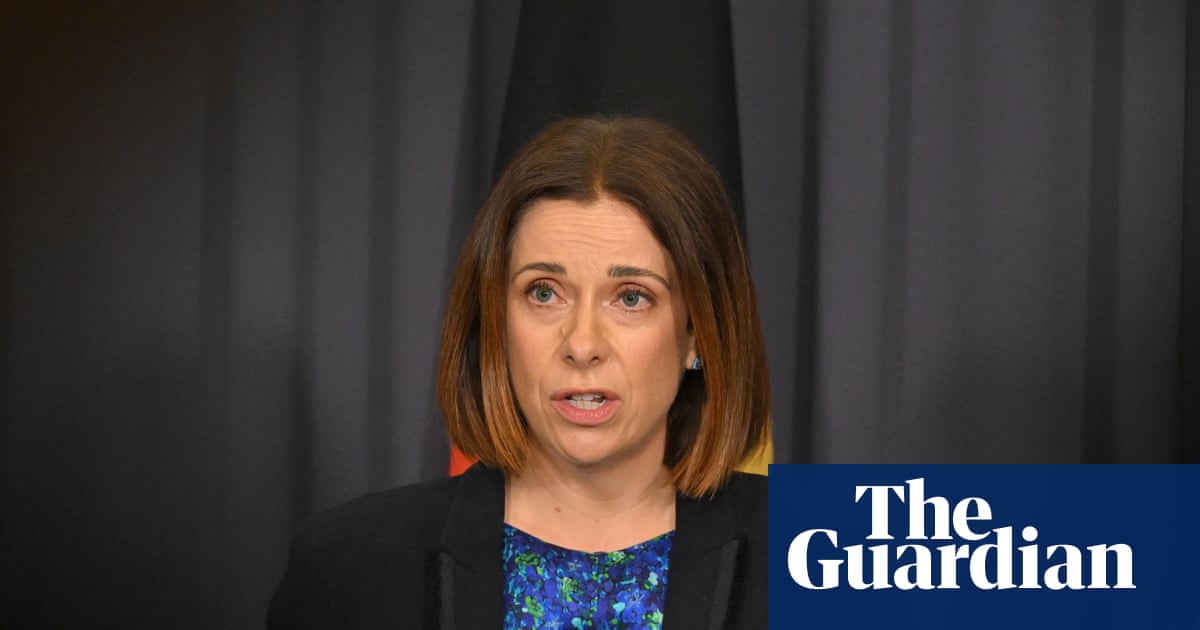
The Australian federal government is preparing to introduce comprehensive legislation designed to regulate how social media platforms distribute content to users. Communications Minister Anika Wells is expected to present draft bills in parliament this week that would establish a formal digital duty of care. This regulatory framework aims to compel major technology companies to prioritize user safety, particularly for children and other vulnerable demographics, by altering the way algorithms curate online feeds.
Central to the proposed rules is a requirement for popular social media services to provide users with the ability to disable algorithmic curation. Under this system, individuals could choose to view content in chronological order or other non-algorithmic formats rather than having their experience dictated by engagement-driven code. The legislation also seeks to improve the identification and removal of illegal or problematic material, addressing concerns regarding body image issues, threats to women’s safety, and child protection standards.
To enforce these new obligations, the government plans to grant expanded investigative powers to the eSafety commissioner and independent researchers. These entities would be authorized to audit platform compliance with the duty of care standards. The financial penalties for violating these regulations are substantial, with fines exceeding one hundred million dollars proposed for breaches. This punitive approach signals a shift toward stricter accountability for digital intermediaries in the Australian market.
Prime Minister Anthony Albanese is scheduled to highlight this initiative during his address at the United Nations General Assembly in New York later this month. By positioning the policy on an international stage, the government appears intent on framing Australia as a leader in digital safety regulation. The timing suggests an effort to align domestic legislative action with broader global discussions on technology governance and platform responsibility.
However, the proposal faces robust resistance from political opponents who characterize it as an overreach into personal freedoms. Opposition Leader Angus Taylor has expressed deep skepticism regarding the government’s motives, warning that the legislation could serve as a mechanism for internet censorship rather than genuine user protection. He criticized the previous administration’s efforts to restrict social media access for minors under sixteen, noting that data showed only a marginal four-point-four percent reduction in usage, which he described as immaterial.
Taylor and other Coalition members argue that the government should focus on empowering parents with greater control over their children’s online experiences rather than imposing top-down regulatory structures. Shadow Home Affairs Minister Jonno Duniam compared the current plans to previously discarded anti-misinformation bills from Labor’s first term in office. He emphasized that individual choice, rather than government mandate, should determine content consumption, suggesting that existing media classification frameworks provide a sufficient baseline for regulation.
Concerns about executive discretion are also prominent in the opposition’s critique. Taylor specifically warned against granting the communications minister enormous power to define and enforce compliance, citing past political biases as a reason for caution. One Nation Leader Pauline Hanson echoed these sentiments, describing the potential regulatory apparatus as Orwellian machinery that moves Australia away from free expression. Her comments reflect a broader conservative anxiety about state interference in digital communication channels.
The legislative path forward remains uncertain due to this significant opposition. With both the Coalition and One Nation likely to vote against the measures, the government will need support from the Greens to pass the legislation through the Senate. The Greens have indicated they would only back a model that requires explicit user consent for algorithmic content distribution, similar to proposals advocated by campaigner Chanel Contos. This opt-in approach differs from the current draft, which focuses on providing an opt-out mechanism.
As parliament reconvenes, the debate will center on balancing safety with liberty. The government argues that unchecked algorithms reinforce dangerous stereotypes and behaviors, necessitating intervention. Critics contend that such interventions risk stifling free speech and setting a precedent for broader censorship. The outcome of this legislative push will determine whether Australia adopts a stringent duty of care model or maintains a more laissez-faire approach to digital platform regulation.
The coming weeks will reveal whether the government can secure the necessary cross-bench support to enact its vision. If the Greens insist on their consent-based model, significant amendments may be required before any bill can proceed. This standoff highlights the complex political landscape surrounding technology policy, where safety concerns clash with civil liberties arguments in a rapidly evolving digital environment.
Sources behind this briefing
Go to the original reporting
- The Guardian World↗Labor plans crackdown on social media algorithms as Taylor says he’s ‘deeply sceptical’

