The short version
- Minister Murray Watt urged colleagues to cease undermining Treasurer Jim Chalmers as the Labor government faces intensifying pressure to reduce spending.
- Cabinet is reviewing potential cuts to popular clean energy programs, including home battery subsidies and electric vehicle incentives, to help curb inflation.
- Recent opinion polls show a significant decline in Labor's primary vote, while opposition parties maintain steady or improved standing ahead of the mid-year budget update.
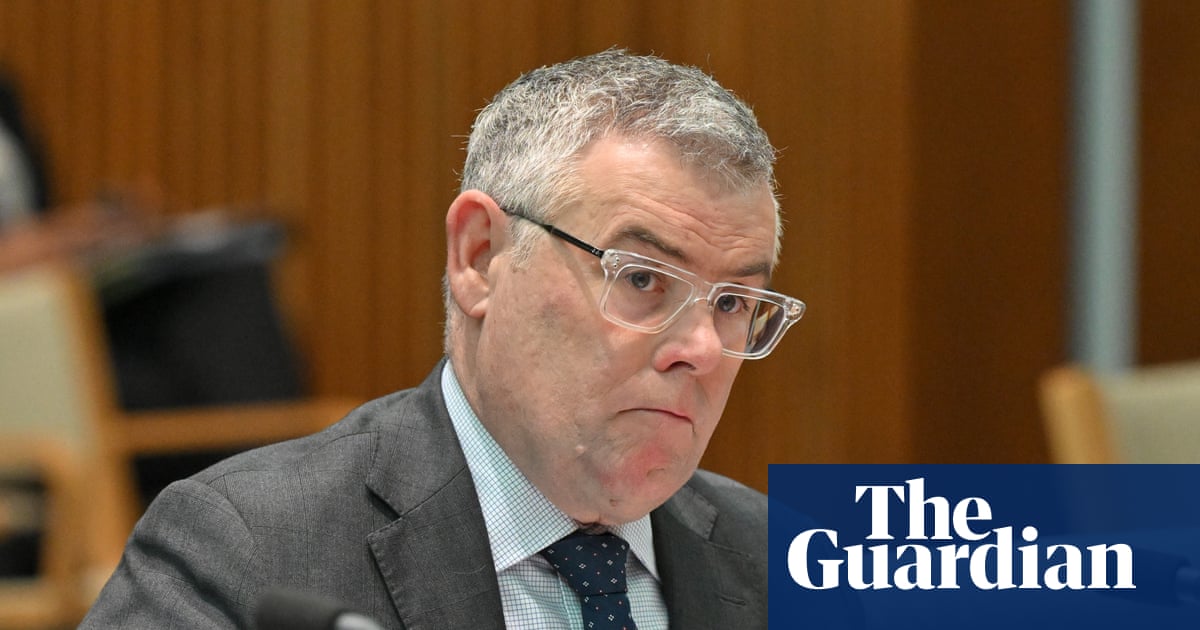
The Australian government is grappling with internal discord and external economic pressures as it prepares for a critical mid-year budget update. Environment Minister Murray Watt has publicly called on his colleagues within the Labor Party to stop undermining Treasurer Jim Chalmers, emphasizing the need for unity during a period of significant fiscal challenge. This appeal comes after cabinet ministers reconvened to discuss potential savings measures aimed at reducing government spending and easing inflationary pressures on the broader economy.
Watt acknowledged that tensions are visible within the ruling party, noting that various individuals are making comments that detract from the treasurer’s efforts. He stressed the importance of supporting government policies and working together to navigate difficult economic times. According to Watt, Chalmers is performing well despite facing numerous external factors beyond his control that impact the national economy. The minister expressed strong support for Chalmers’ approach to managing these complex fiscal responsibilities.
The push for budget savings follows a recent interest rate hike by the Reserve Bank of Australia. Governor Michele Bullock indicated that both public and private spending have contributed to excess demand in the economy, necessitating careful management of government budgets. While the central bank operates independently, its actions highlight the broader economic context in which the government must operate. The expenditure review committee of cabinet met to address these concerns, focusing on identifying areas where spending can be reduced without compromising essential services.
Among the programs under scrutiny are Labor’s clean energy initiatives, specifically the $7 billion home battery subsidy program and incentives for electric vehicle purchases. Originally designed to cost approximately $2 billion, the battery program has seen over 600,000 systems installed since its announcement in April 2025. The government is considering introducing means-testing rules to limit eligibility and reduce costs. Similarly, subsidies promoting electric vehicle adoption have exceeded initial budget projections, prompting a review of their scope and funding levels.
Political headwinds are intensifying as new opinion polls reveal a decline in support for the Labor Party. Data from the Resolve Political Monitor shows Labor’s primary vote dropping to 28 percent, down from 34.6 percent at last year’s election. The Coalition also experienced a slight decrease to 22 percent, while One Nation remained steady at 25 percent. Another poll by Redbridge indicated an even sharper decline for Labor, with its primary vote slipping to 26 percent and the Coalition rising to 25 percent. These figures underscore the political risks associated with implementing unpopular spending cuts.
Watt criticized opposition parties for blocking existing savings measures in parliament, including changes to the private health insurance rebate for individuals over 65. He argued that while the Coalition demands more fiscal restraint, it simultaneously prevents the government from realizing $10 billion in potential savings through proposed legislation. This dynamic complicates the government’s ability to demonstrate fiscal responsibility and address public concerns about inflation and economic stability.
Prime Minister Anthony Albanese has confirmed that spending within the public service will face increased scrutiny as part of the budget review process. Last year, departments and agencies were asked to identify potential savings of up to 5 percent from their annual budgets, focusing on lower-priority expenditures. This year’s efforts are expected to be more rigorous, reflecting the heightened economic pressures and political challenges facing the government. The mid-year budget update is scheduled for release in mid-December.
In response to the government’s fiscal adjustments, Opposition Leader Angus Taylor announced the formation of a “red tape razor gang” aimed at reducing regulatory burdens on businesses. This initiative seeks to position the Coalition as a pro-business alternative while criticizing Labor’s economic management. As the government navigates these competing pressures, the balance between maintaining popular policies and achieving fiscal discipline remains a central challenge for Prime Minister Albanese and his cabinet.
The upcoming budget update will likely test the government’s ability to manage public expectations while addressing inflationary trends. With clean energy subsidies under review and internal party tensions surfacing, the Labor government faces a delicate balancing act. The outcome of these fiscal decisions could significantly influence the political landscape ahead of future elections, particularly given the current volatility in polling data and the strong stance taken by opposition parties.
As the cabinet continues its deliberations, the focus remains on identifying sustainable savings without alienating key voter demographics. The interplay between economic policy, political strategy, and public opinion will define the government’s approach in the coming months. Stakeholders across sectors are watching closely to see how these decisions unfold and what they signal about the direction of Australia’s economic and environmental policies.
Sources behind this briefing
Go to the original reporting
- The Guardian World↗Stop undermining Jim Chalmers, environment minister urges Labor colleagues


