The short version
- Two Knicks players suggested Taylor Swift is not a genuine fan during a video game livestream, calling her presence at games performative.
- The organization quickly released a statement defending Swift, citing her years of support and history with Madison Square Garden.
- The incident highlights the tension between player candor in media appearances and the team's need to manage high-profile celebrity relationships.
A brief but public disagreement emerged within the New York Knicks organization this week after two players questioned the authenticity of Taylor Swift’s support for the franchise. The incident began during a livestream session for the video game NBA 2K, where reserve guards Tyler Kolek and Miles McBride were asked to identify celebrity fans they considered least genuine. Both players pointed to Swift, suggesting that her appearances at games are primarily driven by a desire for visibility rather than true fandom.
Kolek described Swift’s courtside presence as performative, noting that she attends games to be seen rather than out of deep loyalty to the team. He acknowledged that his remarks might provoke negative reactions from Swift’s dedicated fanbase but maintained that her attendance pattern suggested a lack of consistent engagement. McBride echoed these sentiments, agreeing with Kolek’s assessment while contrasting Swift with other celebrities he views as more committed supporters.
In contrast to their comments about Swift, the players identified actor Ben Stiller and comedian Tracy Morgan as solid and authentic fans of the Knicks. This distinction drew a line between celebrities who are perceived as casual attendees and those who demonstrate sustained interest in the team’s performance and culture. The remarks sparked immediate discussion on social media platforms, where fans debated the nature of celebrity sports fandom and whether occasional attendance disqualifies someone from being considered a true supporter.
The Knicks organization moved swiftly to address the controversy, releasing an official statement on Friday to defend Swift against the players’ criticisms. A team spokesperson emphasized that Swift has been a fan for many years and possesses a long history with Madison Square Garden. The statement expressed deep appreciation for her support of the organization, effectively distancing the front office from the comments made by its own roster members.
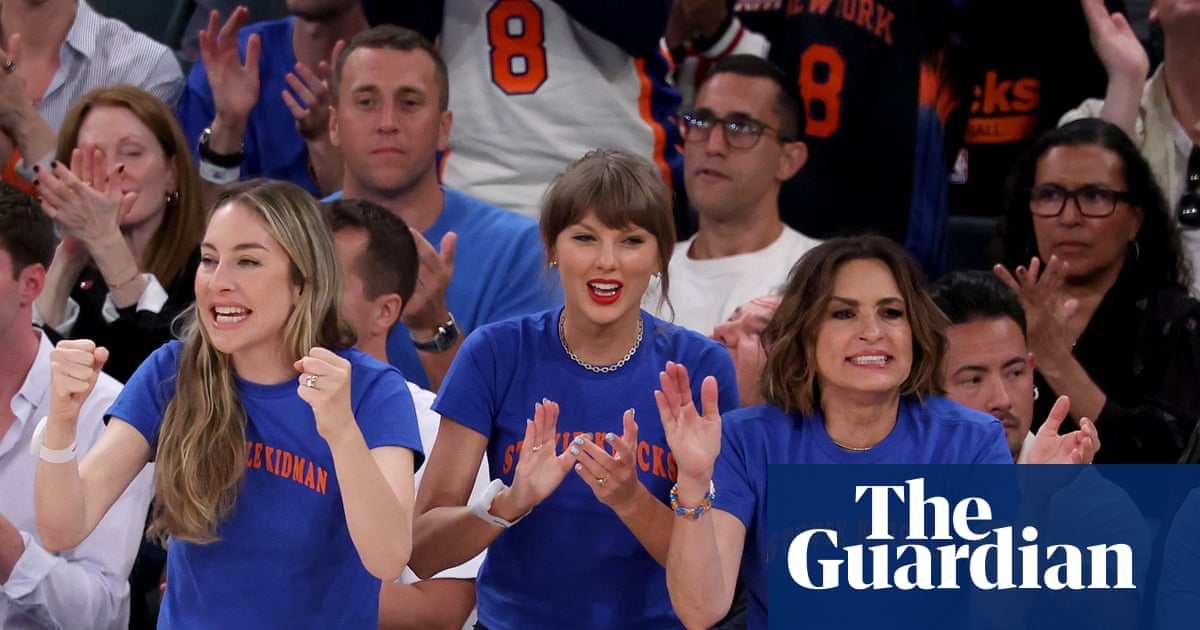
Swift’s connection to the Knicks extends beyond recent high-profile appearances. She first performed at Madison Square Garden as a teenager in 2003 during a halftime talent contest, establishing an early link to the venue. More recently, she attended Game 4 of the NBA Finals, where she wore a custom shirt that went viral and inspired widespread merchandise sales. Her presence alongside actor Mariska Hargitay and musicians Alana and Este Haim drew significant media attention during the championship series.
The singer also attended Game 3 of the Eastern Conference Finals in Cleveland with her husband, Kansas City Chiefs tight end Travis Kelce. Kelce is known for his long-standing interest in Cleveland sports, adding another layer to the couple’s public engagement with professional athletics. Swift and Kelce married at Madison Square Garden in July, further cementing their personal ties to the iconic arena and its associated teams.
The timing of the players’ comments may be influenced by contract negotiations. Both Kolek and McBride are eligible for contract extensions, although the Knicks stated in October that they were not currently holding extension talks with any players. The team holds a $2.5 million option on Kolek for the 2026-27 season, which could impact his future with the franchise. Whether these contractual uncertainties influenced their willingness to speak candidly about high-profile fans remains unclear.
This episode underscores the delicate balance teams must maintain between player expression and public relations management. While players often share unfiltered opinions during informal media engagements, such comments can create unintended friction with valuable partners or supporters. The Knicks’ quick response suggests an awareness of Swift’s significant influence on ticket sales, merchandise revenue, and broader brand visibility for the franchise.
As the NBA offseason continues, the incident serves as a reminder of the complex dynamics between athletes, celebrities, and team organizations. Fans may view occasional attendance as insufficient proof of loyalty, but teams often value any level of engagement that boosts interest in their games. The resolution of this minor dispute will likely fade from headlines, but it highlights the ongoing negotiation of authenticity in modern sports culture.
Looking ahead, the Knicks must navigate similar situations with care, ensuring that player comments do not undermine relationships with key supporters. Swift’s continued attendance at games and her personal connection to Madison Square Garden suggest that her support remains genuine, regardless of how frequently she appears courtside. The organization’s defense of her status indicates a strategic decision to prioritize long-term brand value over short-term player candor.
Sources behind this briefing
Go to the original reporting
- The Guardian US↗Bad blood? Knicks defend Taylor Swift after players accuse her of being ‘fake fan’


