The short version
- Kiwibank issued copyright claims against users posting sexually explicit content featuring its mascot, Buck, intending to remove harmful material.
- The enforcement action triggered a viral backlash, with internet users mocking the bank and free speech advocates criticizing the use of copyright as a censorship tool.
- The bank later released a video statement from the mascot addressing the controversy, acknowledging the shock value while attempting to reframe the narrative around harassment.
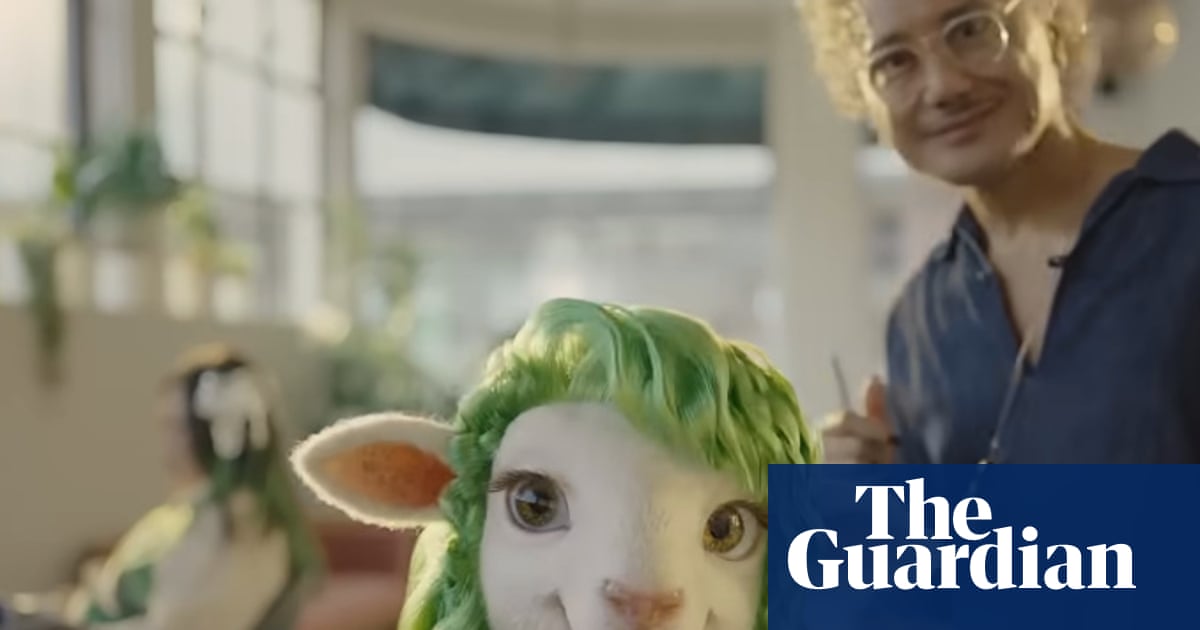
A routine branding exercise by a New Zealand state-owned bank has spiraled into a global internet phenomenon and a sharp debate over digital censorship. Kiwibank recently introduced Buck, an animated green sheep designed to represent improved financial outcomes for customers. The character initially appeared in standard promotional material, including videos of the mascot engaging in mundane activities like riding public transit or getting a haircut. These efforts were intended to humanize the institution and promote a message of better possibilities.
The campaign took an unexpected turn when a user posted a tweet containing explicit sexual language directed at the character, accompanied by an image of Buck. The post rapidly accumulated millions of views, drawing attention not just to the meme itself but to the broader cultural tendency to anthropomorphize and sexualize non-human entities online. Other users joined in, creating variations of the content that spread across social media platforms, turning a local marketing initiative into an international joke.
Kiwibank responded by filing a series of copyright infringement claims against the posts featuring Buck’s image. The bank stated that its primary concern was the removal of explicit and harmful content associated with its brand assets. Officials argued that inaction was not an option given the nature of the material being shared. By leveraging intellectual property rights, the institution sought to suppress what it viewed as inappropriate uses of its proprietary character.
The enforcement strategy proved counterproductive. Rather than silencing the conversation, the takedowns amplified it. Internet users interpreted the bank’s actions as an attempt to control organic online discourse, leading to a surge in mocking posts and solidarity memes. The phenomenon drew comparisons to the Streisand effect, where efforts to hide or remove information inadvertently increase its visibility. Even prominent media figures, including US television host John Oliver, highlighted the irony of the situation, noting that the aggressive response only fueled further engagement.
Critics within New Zealand quickly challenged the bank’s methodology. The Free Speech Union of New Zealand issued an open letter arguing that while Kiwibank holds valid copyright over its mascot, using those rights to filter content based on dislike constitutes censorship. Advocates emphasized that the posts in question were jokes about a corporate symbol, not direct attacks on individuals, and that the bank’s reaction set a concerning precedent for how companies manage online criticism.
The controversy has forced Kiwibank to confront the limitations of traditional brand management in the age of viral social media. The institution had hoped Buck would symbolize a break from conventional banking norms, yet its handling of the backlash reinforced perceptions of corporate rigidity. The disconnect between the bank’s intent and the public’s reaction underscores the difficulty of controlling narrative flow once content enters the decentralized ecosystem of the internet.
In a subsequent move, Kiwibank released a video featuring Buck addressing the situation directly. In the clip, the animated character expressed shock at the explicit content created in its likeness, framing the incident as a form of harassment that affects many people. This attempt to personalize the response aimed to shift the focus from censorship debates to the emotional impact of online abuse. However, the timing and tone of the message remain subjects of scrutiny among observers who view the entire episode as a cautionary tale about digital engagement.
The incident highlights broader tensions between corporate control and user-generated content. As brands increasingly rely on mascots and avatars to build emotional connections with consumers, they must navigate the unpredictable ways audiences interact with these symbols. Kiwibank’s experience demonstrates that legal tools like copyright are ill-suited for managing cultural moments driven by humor or mischief. The fallout serves as a reminder that in the digital sphere, suppression often yields amplification.
Looking ahead, the bank faces the challenge of rebuilding trust and redefining its relationship with online communities. The viral nature of the Buck saga means that any future marketing efforts will be viewed through the lens of this controversy. Stakeholders are likely to watch closely to see whether Kiwibank adopts a more flexible approach to digital interaction or continues to prioritize strict content control. The episode remains a vivid example of how quickly a minor branding decision can escalate into a significant public relations crisis.
Ultimately, the story of Buck is less about a sheep and more about the mechanics of modern attention economies. It illustrates the fragility of curated brand images when exposed to the chaotic creativity of social media users. For Kiwibank, the lesson appears clear: attempting to dictate the terms of online conversation often results in losing control of the narrative entirely. The digital landscape rewards adaptability, not enforcement.
Sources behind this briefing
Go to the original reporting
- The Guardian US↗‘Like, really, really shocked’: why are so many people riffing on this sheep’s sex appeal?