The short version
- King Charles has directed the Judicial Committee of the Privy Council to review three legal questions regarding the legality and consequences of slavery in Jamaica.
- Jamaican officials view the referral as a significant step toward establishing a precedent for restitution, despite the UK government’s firm stance against paying reparations.
- The move follows a regional push by Caribbean nations to pursue diplomatic and legal avenues for addressing the enduring impacts of colonialism.
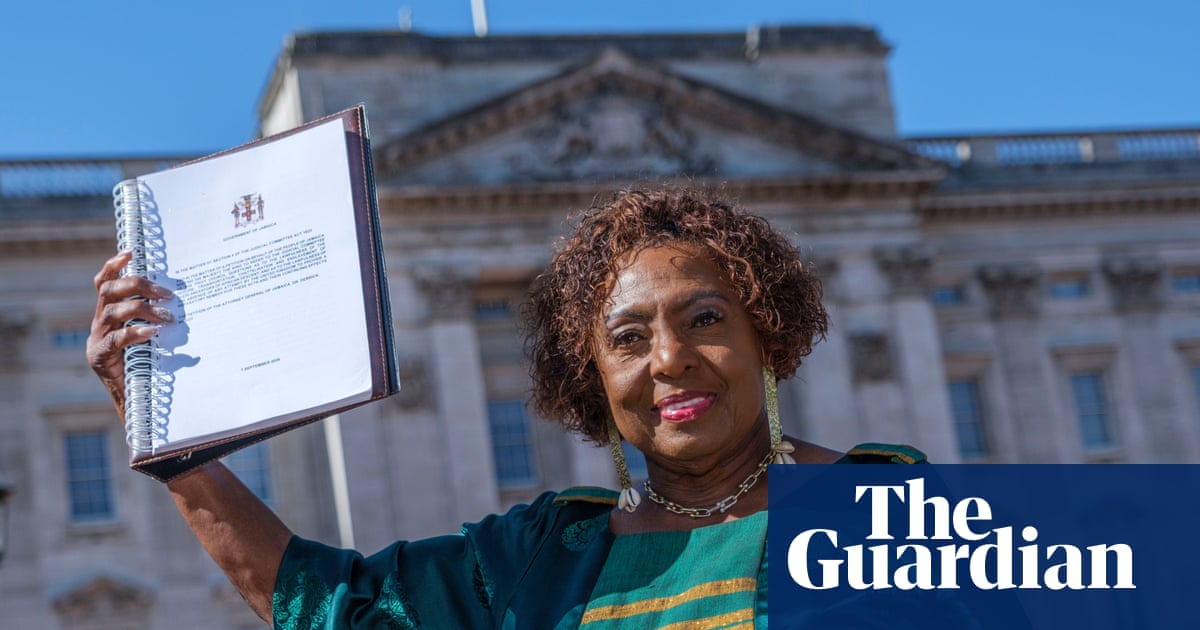
King Charles has referred a landmark petition from Jamaica concerning slavery reparations to the Judicial Committee of the Privy Council, a high-level UK appeals court. Olivia Grange, Jamaica’s culture minister, announced the development in parliament on Tuesday, describing the monarch’s action as a substantial advancement in the country’s long-standing quest for justice and restitution.
The petition, which was lodged in London earlier this month by a Jamaican delegation led by Grange, seeks legal guidance on three specific issues. These include whether the forced transport of Africans to Jamaica was lawful under historical standards, whether it constitutes a crime against humanity, and whether Britain holds an obligation to provide restitution for slavery and its lasting effects.
Jamaica utilized a rarely invoked provision within the Judicial Committee Act of 1833 to initiate this process. This mechanism allows the monarch to refer questions of legal or constitutional significance to the Privy Council when they cannot be resolved through ordinary judicial channels. Grange noted that the petition was filed on September 7, 2026, marking the day after the 245th anniversary of the Zong massacre, an event cited by Jamaican officials as emblematic of the brutality inherent in chattel slavery.
While the Privy Council’s opinion will not legally compel the UK government to issue financial reparations, Jamaican authorities believe it could significantly influence future negotiations and establish a legal precedent. This outcome is particularly important for other Commonwealth nations that may seek similar redress for historical injustices stemming from colonial rule.
The British government has maintained a consistent position against paying reparations. A spokesperson for Andy Burnham recently reiterated that the UK does not and will not provide such payments. Despite this firm stance, Jamaican officials are proceeding with their legal strategy, viewing the Privy Council referral as a necessary step to clarify the legal landscape surrounding these historical grievances.
Grange explained in parliament that Jamaica considered alternative legal avenues but found them unviable. Specifically, the country could not pursue the matter through the International Court of Justice because the United Kingdom has placed reservations on the court’s compulsory jurisdiction regarding disputes with Commonwealth members. This limitation necessitated the use of the Privy Council route.
The petition is part of a broader regional effort by Caribbean nations to address the legacy of colonialism. Officials recently gathered in Barbados for the Caricom Regional Conference on Reparations, where they outlined a multi-faceted action plan. This plan includes legal options designed to pressure the UK into negotiating a reparations agreement.
Sir Hilary Beckles, chair of the Caribbean Community Reparations Commission, emphasized the ongoing impact of colonialism during the conference. He highlighted that Jamaica achieved independence in 1962 with an illiteracy rate of 80 percent among its Black population, a statistic he attributed to three centuries of British rule. Beckles argued that building a modern nation under such conditions remains a profound challenge.
Jamaican officials are now awaiting directions from the Privy Council regarding next steps. The country’s attorney general is preparing to handle the case as it moves forward. Meanwhile, Jamaican leaders hope to engage in targeted negotiations at upcoming Commonwealth and United Nations summits, though they remain prepared to escalate the matter to international courts if diplomatic efforts fail.
In addition to seeking financial restitution, Jamaica is pursuing the return of cultural artifacts taken during colonial rule. The delegation that traveled to London met with various stakeholders, including diaspora communities, members of parliament, church leaders, and representatives from institutions such as the British Museum. These engagements underscore the comprehensive nature of Jamaica’s reparations campaign.
Sources behind this briefing
Go to the original reporting
- The Guardian World↗Jamaica hails King’s decision to refer slavery reparations petition to privy council as ‘really big deal’

