The short version
- King Charles has confirmed he will address the historical impact of slavery during upcoming discussions with Commonwealth heads of government in Antigua and Barbuda.
- Caribbean reparations advocates argue that the monarch’s recent remarks fail to meet the threshold for justice, citing a lack of formal apology or specific plans for atonement.
- The British government maintains its longstanding policy against offering official apologies or financial reparations, leaving the King to navigate diplomatic sensitivities while adhering to ministerial guidance.
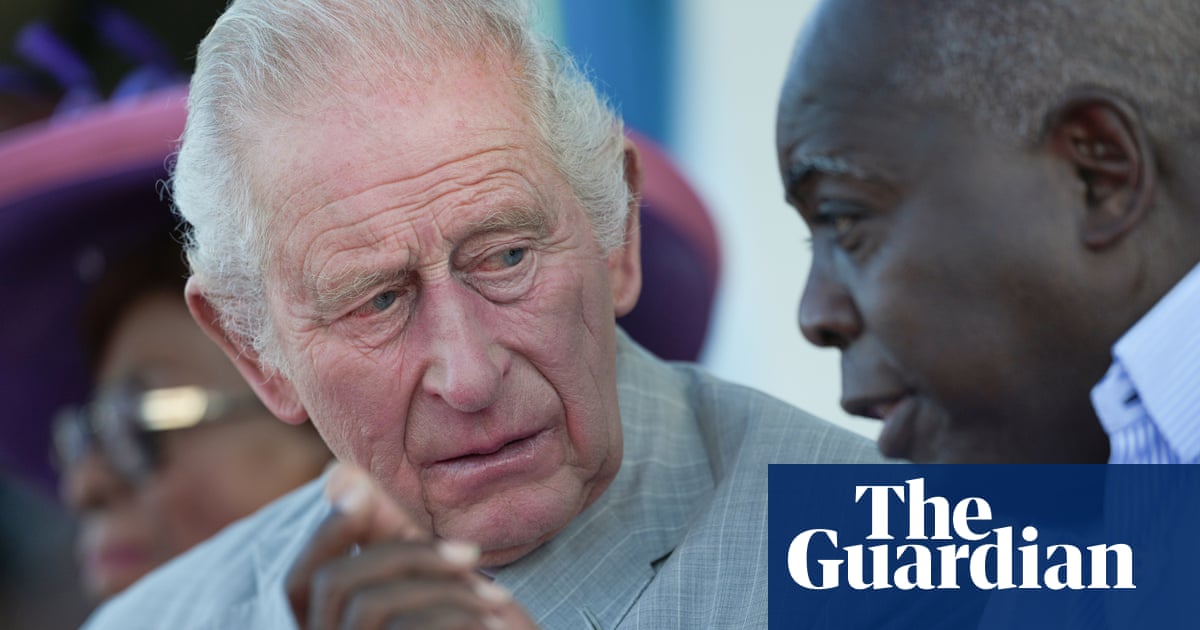
King Charles has arrived in the Bahamas to begin a nine-day tour of the Caribbean region, a journey that places him at the center of renewed diplomatic tensions regarding Britain’s colonial past. The monarch confirmed during his opening address that he intends to discuss the legacy of transatlantic slavery with leaders from Commonwealth nations when they convene for the heads of government meeting in Antigua and Barbuda next week. This engagement comes as several Caribbean countries have intensified their calls for London to formally acknowledge historical atrocities and enter into serious negotiations concerning reparations.
The King’s itinerary includes a ceremonial welcome in the Bahamas, where he attended a youth rally at Clifford Park, a location significant for marking the nation’s independence from British rule in 1973. In his speech, Charles sought to bridge historical divides by acknowledging that much of contemporary Bahamian culture emerged from periods of profound suffering. He emphasized the importance of recognizing past pain while simultaneously celebrating current achievements and fostering future opportunities. However, this approach has been met with skepticism by local advocates who view such statements as insufficient given the gravity of historical injustices.
Critics within the region argue that the monarch’s words lack the necessary weight to address the enduring impacts of slavery. The Bahamas National Reparations Committee issued a statement asserting that Charles’s comments fall short of what justice demands. Dr. Niambi Hall Campbell-Dean, the committee’s chair, described the remarks as hollow platitudes that fail to account for the agency and resilience of Caribbean people. She stressed that the culture of the region was not merely a reaction to darkness but a testament to human spirit and survival despite systemic degradation and trauma.
The committee further clarified that they do not require validation of their cultural worth from the British monarchy. Instead, they are calling for an explicit acknowledgment of the Crown’s role in historical oppression and concrete steps toward atonement. Dr. Campbell-Dean noted that while she takes pride in her country’s hospitality and spirit, this pride necessitates demanding more than symbolic gestures. The critique underscores a broader regional sentiment that true reconciliation requires moving beyond general acknowledgments to specific actions that address the structural inequalities stemming from colonial rule.
Similar sentiments were echoed by Professor Hilary Beckles, chair of the Caribbean Community Reparations Commission, who emphasized the need for proprietary justice rooted in genuine remorse. He urged the King to engage deeply with young people in the region, offering them the same empowerment and support he would provide to his own children. Beckles warned that failing to do so would amount to condoning and minimizing the ongoing harm caused by historical injustices. His comments highlight the expectation that leadership must translate historical awareness into tangible benefits for contemporary communities.
The diplomatic landscape is further complicated by the British government’s official stance on reparations. It is understood that ministers have not advised the King to offer an apology or commit to financial reparations, consistent with established policy. Prime Minister Andy Burnham and Foreign Secretary Ed Miliband will accompany Charles to the summit in Antigua, signaling a unified governmental approach despite the monarch’s personal engagement with these issues. This alignment suggests that while the King may express personal reflections on history, official British policy remains resistant to formal admissions of guilt or financial liability.
Charles is scheduled to travel to Guyana later in the week, where President Mohamed Irfaan Ali has recently called for the monarch to take decisive steps toward offering an apology. This visit adds another layer of complexity to the tour, as Guyana represents a distinct political context within the Commonwealth. The King’s previous engagements have shown a willingness to discuss slavery’s enduring impact, including his remarks at Barbados’s transition to a republic in 2021 and his speech at a Rwanda-hosted summit last year. These instances demonstrate a personal journey of discovery, yet they stop short of the formal apologies demanded by many Caribbean leaders.
A spokesperson for Buckingham Palace stated that the King’s program will primarily focus on highlighting modern partnerships and opportunities that are transforming the region. The palace emphasized that this tour represents both a new chapter and a continuation of the monarch’s lifelong effort to engage with and educate about the shameful aspects of British history. While the official narrative frames the visit as forward-looking, the underlying tensions regarding historical accountability remain unresolved. The upcoming summit in Antigua will likely serve as a critical test of how effectively these competing narratives can be reconciled.
As the King moves through the Caribbean, the contrast between his diplomatic engagements and the demands of local activists remains stark. While he seeks to build bridges through cultural appreciation and future-oriented dialogue, many in the region insist that true partnership cannot exist without addressing the foundational injustices of the past. The outcome of these discussions may influence not only the relationship between Britain and its former colonies but also the broader dynamics within the Commonwealth organization. The coming days will reveal whether symbolic gestures can suffice or if more substantive commitments are required to heal historical wounds.
The significance of this tour extends beyond immediate diplomatic outcomes, touching on deeper questions about memory, justice, and international relations. For Caribbean nations, the issue of reparations is not merely about financial compensation but about recognition and dignity. The King’s ability to navigate these sensitivities while adhering to government constraints will be closely watched by observers worldwide. As the summit approaches, the focus remains on whether meaningful progress can be made in acknowledging the past while building a more equitable future for all members of the Commonwealth.
Sources behind this briefing
Go to the original reporting
- The Guardian World↗King Charles to discuss legacy of slavery with Commonwealth leaders at summit