The short version
- King Charles III characterized the British role in the transatlantic slave trade as a shameful historical chapter that continues to cast a shadow over Commonwealth nations.
- Despite calls for a formal apology, the monarch stopped short of issuing one, instead emphasizing a commitment to modern partnership and addressing past wrongs through future action.
- Prime Minister Andy Burnham remains open to an official apology but has consistently ruled out financial reparations as a solution to historical injustices.
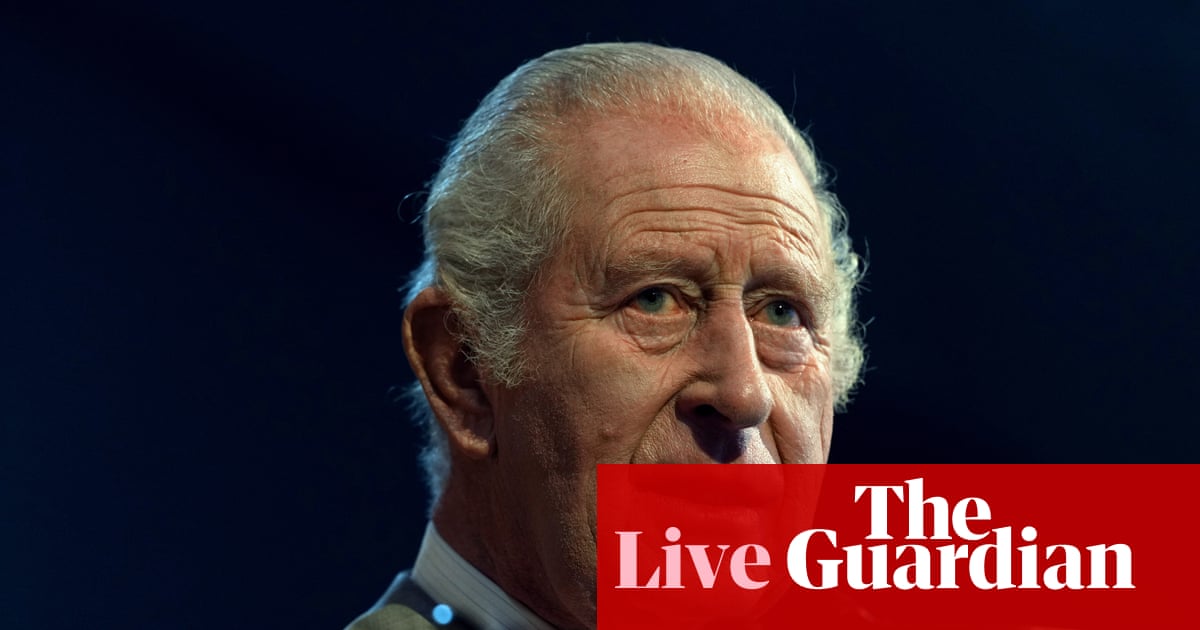
King Charles III opened the Commonwealth Heads of Government Meeting in Antigua and Barbuda with a significant address regarding Britain’s colonial past, specifically focusing on the transatlantic slave trade. The monarch described this period as a shameful chapter of history that fills him with horror and profound personal sorrow. He acknowledged that the legacy of enslaved persons continues to cast a shadow over the islands and other member states of the voluntary association.
The speech marked a moment of contrition without crossing into a formal apology, a distinction that has been central to recent debates surrounding the UK’s historical responsibilities. While some leaders and advocates had called for an explicit apology ahead of the summit, the King’s remarks focused on the complexity of history and the need for forward-looking engagement. He stated that history is not something to be chosen or changed but is inherited in a complex synthesis from forebears who are no longer present.
Charles emphasized his personal journey of understanding these issues through listening and learning. He expressed a growing commitment to finding ways for nations within the Commonwealth to work together in modern partnerships. The goal, according to the monarch, is to address the wrongs of the past with concrete actions that benefit the future. This approach seeks to balance acknowledgment of historical failures with a focus on current achievements and collaborative progress.
The summit brings together leaders from 56 states every two years, rotating locations across different parts of the Commonwealth. This year’s official theme is accelerating partnerships and investment for a prosperous Commonwealth. The gathering provides a platform for discussing shared challenges, including brutal global conflicts, the catastrophic reality of climate change, and rapid technological development. These contemporary issues sit alongside the ongoing reckoning with colonial legacies.
The King’s tour of the Caribbean has reignited difficult conversations about the UK’s imperial history in the region. Prior to arriving in Antigua and Barbuda, Charles visited the Bahamas, where he spoke of the suffering endured in the past. He also traveled to Guyana to visit the site of a slave rebellion, a location where hundreds of enslaved people were killed. These visits underscore the tangible connection between historical events and present-day political discourse.
Prime Minister Andy Burnham is attending the summit alongside the monarch. His position on reparations has been clear: while he is open to Britain issuing a formal apology for its historic role in the slave trade, he believes financial reparations are not the right answer. This stance aligns with the broader government approach of acknowledging historical wrongs without committing to monetary compensation. The distinction between moral acknowledgment and financial liability remains a key point of contention.
The Palace has clarified that the King’s role is not policy-making, particularly in the context of the ongoing debate over slavery apologies. His remarks reflect personal sentiment and a desire for reconciliation rather than official government policy. This separation allows the monarch to express deep regret while leaving specific political decisions to elected officials. The dynamic highlights the delicate balance between ceremonial duties and substantive political engagement.
The event took place under challenging weather conditions, with the King caught in torrential downpours during a parade in Antigua and Barbuda. Despite the elements, the proceedings continued as scheduled, reflecting the resilience of diplomatic engagements. The summit serves as a critical juncture for Commonwealth nations to redefine their relationships in light of historical injustices and modern global challenges.
As the meeting progresses, attention will likely shift to how these acknowledgments translate into practical cooperation. The theme of accelerating partnerships suggests a focus on economic and social development. However, the unresolved questions regarding historical accountability remain prominent. Leaders must navigate the tension between honoring shared history and addressing the disparities that persist today.
The King’s address sets the tone for further discussions at the summit. By framing the slave trade as a source of profound sorrow rather than just a historical fact, Charles invites deeper reflection among attendees. The absence of a formal apology may disappoint some advocates, but the emphasis on future action offers a pathway for continued dialogue. The outcome of these talks could influence how Commonwealth nations collaborate in the coming years.
Sources behind this briefing
Go to the original reporting
- The Guardian World↗King tells Commonwealth leaders that Britain’s role in slave trade was ‘shameful’ but stops short of apology – as it happened
- BBC News↗King calls slave trade a 'shameful chapter' during Commonwealth address


