The short version
- KFC is launching its first high-altitude restaurants in Italy at Cortina d’Ampezzo and Madonna di Campiglio this December.
- Local business owners and cultural figures criticize the move as an erosion of regional culinary identity and mountain prestige.
- The company frames the expansion as a strategy to reach new demographics beyond its core younger customer base.
The landscape of Italian alpine dining is shifting this winter with the introduction of American fast food at two of the country’s most renowned ski destinations. Kentucky Fried Chicken is set to open outlets on the slopes of Cortina d’Ampezzo and Madonna di Campiglio, marking the first time a quick-service restaurant chain has established a presence at such high altitudes in Italy. The openings, scheduled for early December, represent a deliberate departure from traditional mountain hospitality models and have ignited a debate regarding the commercialization of alpine environments.
In Cortina d’Ampezzo, the new location will sit at an elevation of 2,123 meters within the infrastructure managed by Faloria SpA. This placement has drawn sharp criticism from Alberico Zardini, a majority shareholder in the company that oversees Mount Faloria’s facilities. Zardini described the concept as disgraceful and absurd, arguing that it risks damaging the reputation of one of Cortina’s most scenic areas. He has formally warned the management team that he intends to pursue legal remedies if the project proceeds, citing concerns about the juxtaposition of fried chicken sales with a luxury lodge planned for an upper floor of the same mountain club.
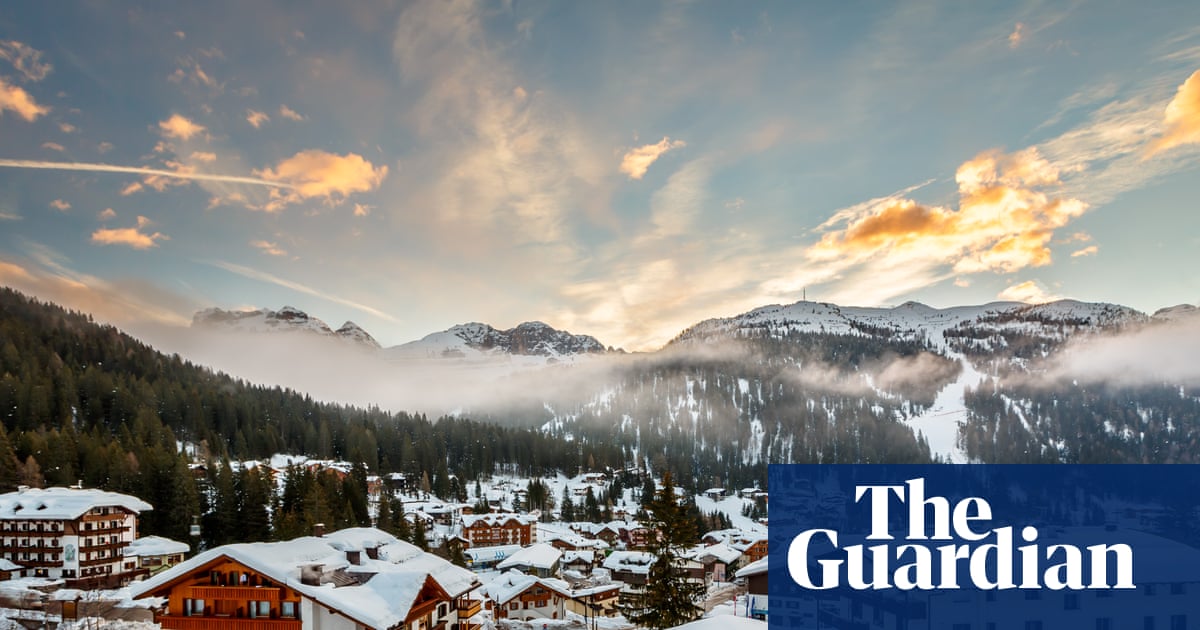
The second outlet will operate in Madonna di Campiglio, located in southwestern Trentino. Situated at 1,700 meters on Piana di Nambino, this restaurant will be positioned adjacent to a high-end après-ski venue. The strategic placement in both locations suggests an effort to integrate fast food into the existing leisure infrastructure of these prestigious resorts. While the specific operational details remain under wraps, the company has indicated that the menus will feature standard items such as spicy wings, burgers, and traditional fried chicken buckets, catering to skiers seeking convenience between runs.
Marzia Farè, the chief marketing officer for KFC Italia, characterized the initiative as a method to surprise consumers and reach unexpected locations. She stated that the project aligns with the brand’s evolution strategy, aiming to broaden its appeal beyond its loyal Generation Z demographic. According to Farè, the expansion targets young families and mountain enthusiasts who might not typically visit urban fast-food outlets. The company views these high-altitude sites as opportunities to demonstrate versatility while maintaining the core elements that define its brand identity.
Critics argue that the introduction of globalized fast food undermines the cultural heritage associated with Italian mountain cuisine. Oscar Farinetti, founder of the Eataly grocery chain, suggested that the move reflects a lack of cultural appreciation among consumers. He emphasized the importance of recognizing local culinary assets, such as simple ingredients and high-quality regional products, rather than substituting them with imported fast food. His comments highlight a broader concern about the erosion of traditional dietary habits in favor of convenient, mass-produced alternatives.
Environmental and cultural preservation groups have also voiced opposition to the development. Luigi Casanova from Mountain Wilderness noted that the era of traditional mountain fare like polenta and luganega sausage appears to be fading. Paola Demagri, a member of Trentino’s provincial council, expressed dismay at what she described as the selling out of mountain identity to international fast-food brands. These perspectives reflect a growing tension between economic modernization and the preservation of regional character in Italy’s alpine communities.
Despite the vocal opposition, some observers have adopted a more measured stance. Cristian Ferrari, president of the Società Alpinisti Tridentini, questioned whether the presence of fried chicken should be the primary concern for mountain associations. His comments suggest that while cultural shifts are notable, they may not warrant the level of alarm expressed by other stakeholders. This nuanced view indicates that not all residents or industry participants see the change as an existential threat to the region’s identity.
The timing of these openings coincides with rising costs for ski passes and resort amenities in Italy. For many visitors, the availability of affordable dining options may provide a welcome respite from the high prices typically associated with luxury alpine destinations. This economic factor likely contributes to the anticipated demand for the new outlets, even as cultural purists lament the departure from traditional norms. The interplay between affordability and authenticity remains a central theme in this ongoing discussion.
As the December opening date approaches, the situation remains unresolved. Zardini’s threat of legal action introduces uncertainty regarding whether the Cortina location will proceed as planned. Meanwhile, KFC Italia continues to promote the initiative as a bold step in its market expansion strategy. The outcome of this conflict could set a precedent for future commercial developments in protected or culturally significant alpine areas across Italy and potentially beyond.
The broader implications of this move extend beyond immediate consumer preferences. It raises questions about how global brands navigate local sensitivities when entering markets with strong cultural identities. Whether the outlets succeed commercially will depend on their ability to balance convenience with the expectations of a clientele that values both accessibility and tradition. The coming months will reveal whether this experiment in high-altitude fast food becomes a lasting feature of Italian ski culture or a fleeting controversy.
Sources behind this briefing
Go to the original reporting
- The Guardian US↗KFC’s arrival at Italian ski slopes angers food and mountain purists


