The short version
- John Kerry labeled President Trump a strategic loser for abandoning clean energy initiatives and withdrawing US participation from the Cop31 summit in Turkey.
- The White House rejected the summit's premise, arguing that aggressive climate policies harm national economies rather than strengthen them.
- Kerry contends that domestic political shifts and voter concerns over energy costs are increasingly linked to climate action, despite Republican efforts to dismantle previous green incentives.
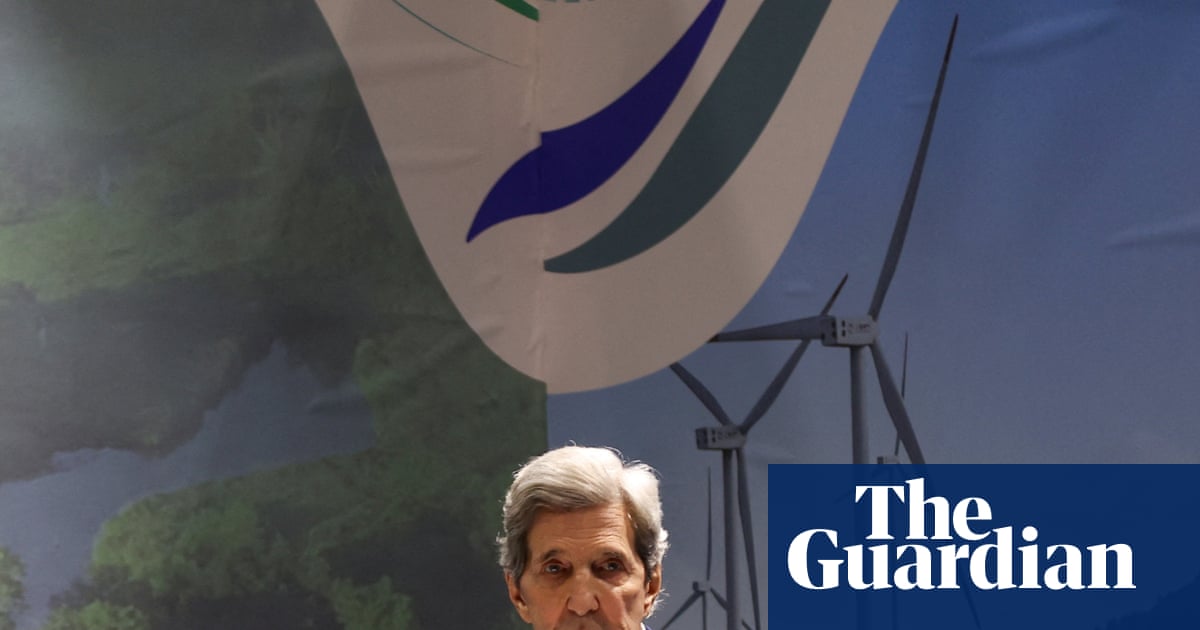
Former US Secretary of State John Kerry delivered a sharp critique of the current administration’s environmental policy at the Cop31 climate summit in Antalya, Turkey. Speaking during the annual United Nations conference, which began on Monday, Kerry characterized President Donald Trump as the 'biggest loser' in recent memory for dismantling climate action frameworks. The core of Kerry’s argument centers on the strategic disadvantage the United States has incurred by stepping back from global cooperation and domestic investment in clean energy technologies.
The Trump administration has chosen not to send any delegation to the talks, marking a stark departure from previous US engagement with international climate bodies. This absence underscores a broader policy shift that includes withdrawing from multilateral agreements and eliminating financial supports for renewable energy sectors. Kerry emphasized that this retreat allows China to solidify its dominance in the clean technology market, a sector where the United States previously sought to compete through legislative incentives under the Biden administration.
Under the previous leadership, sweeping laws provided tax breaks designed to boost electric vehicle manufacturing and renewable energy production. These measures were intended to counter China’s growing influence in green tech supply chains. However, Republican lawmakers have since removed most of these supports. Instead of fostering new industries, the current approach involves imposing tariffs on various goods and directing public funds toward maintaining coal-fired power plants, which are among the most polluting sources of energy.
Kerry argued that this strategy undermines America’s economic competitiveness. He suggested that by blackballing an entire sector of the economy, the administration is walking away from a critical battlefield in the global race for technological supremacy. The former diplomat noted that the US could have positioned itself as a key supplier in the emerging market for clean goods but has instead ceded that ground. He urged policymakers to recognize the marketplace opportunities that exist within the United States if they were willing to engage rather than retreat.
President Trump reiterated his opposition to renewable energy projects during remarks on Monday, specifically targeting wind power. He stated that he would not approve legislation facilitating the construction of new wind turbines, describing them as a major failure. This stance aligns with his long-standing skepticism toward climate science, which he has previously dismissed as a hoax. His administration continues to advocate for increased drilling for oil and gas, viewing fossil fuels as essential to national energy security and economic stability.
The White House responded to the ongoing summit by dismissing its relevance and validity. A spokesperson stated that the conference rejects reality by failing to acknowledge what they describe as the destructive impact of extremist climate policies on countries worldwide. This official confirmation of non-participation highlights the deep ideological divide between the current executive branch and the international community gathered in Turkey. The administration views the push for rapid decarbonization as economically damaging rather than beneficial.
Despite the political friction, Kerry suggested that climate concerns remain a significant factor for American voters. He noted that while it may not have been the single defining issue of recent midterm elections, anxiety over global heating overlapped with worries about rising energy costs. This combination helped drive support for Democratic candidates, according to Kerry’s analysis. He predicted that future political campaigns would continue to feature climate action as a high-priority agenda item, reflecting sustained public interest.
The broader context of the summit includes calls from UN Secretary-General António Guterres for an accelerated phase-out of fossil fuels. Advocates like Greta Thunberg have expressed frustration with the slow progress of these negotiations, describing them as ineffective spectacles. While global emissions saw a slight decline last year due to renewable growth, experts warn that much deeper cuts are necessary to avoid catastrophic warming. The US absence at Cop31 complicates efforts to coordinate such ambitious international targets.
Kerry acknowledged the challenges in communicating climate urgency to the public but insisted that the economic and security implications cannot be ignored. He urged leaders to hold up a mirror to the current administration’s policies, suggesting they are missing critical points about competitiveness and supply chain resilience. As the summit continues in Antalya, the contrast between US isolationism and global cooperation remains a central theme, highlighting the ongoing struggle to align national interests with planetary needs.
The situation illustrates a complex interplay of domestic politics, international diplomacy, and economic strategy. While the White House focuses on immediate energy production and cost concerns, critics argue that long-term competitiveness requires investment in emerging technologies. The lack of US participation at Cop31 signals a continued divergence from global norms, raising questions about America’s role in shaping future environmental standards and trade dynamics.
Sources behind this briefing
Go to the original reporting
- The Guardian US Politics↗Trump the ‘biggest loser’ for scrapping climate action, John Kerry says at Cop31