The short version
- Eight new members have been named to the US Preventive Services Task Force after a year-long hiatus in appointments.
- Critics note the new slate includes specialists and ideologically aligned figures, departing from the panel's traditional primary care focus.
- Transparency concerns persist as selection materials remain unavailable despite legal requests and a pending lawsuit.
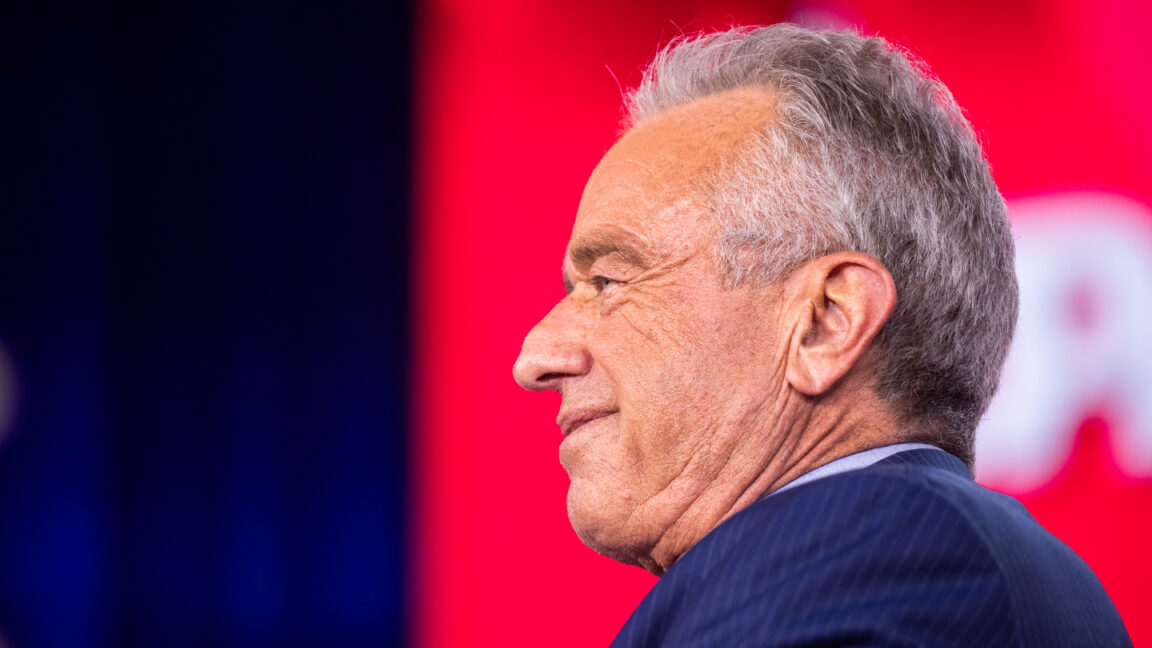
Health Secretary Robert F. Kennedy Jr. has announced the appointment of eight new members to the US Preventive Services Task Force, ending a period of more than a year during which the panel operated without new additions as terms expired. The task force is a critical federal body responsible for issuing evidence-based recommendations on preventive medical services, ranging from cancer screenings and depression assessments to the use of statins. These recommendations carry significant weight in the American healthcare system because they directly influence insurance coverage mandates.
Under current regulations, health insurers are required to cover preventive services that receive an A or B grade from the task force at no additional cost to patients. This mechanism makes the panel’s work central to patient access and financial responsibility for routine care. The group is designed to operate independently, utilizing a rigorous framework to evaluate scientific evidence and assign graded recommendations. However, the recent appointments have drawn sharp criticism from medical organizations and transparency advocates who argue that the new composition undermines the panel’s historical commitment to nonpartisan, primary-care-focused expertise.
The eight appointees represent a marked departure from the demographic traditionally seen on the task force. Historically, the group has been composed primarily of generalists and primary care providers who routinely deliver preventive services in clinical settings. This structure was intended to prevent specialists from swaying recommendations based on potential conflicts of interest related to their specific fields. In contrast, five of the newly appointed members are specialists, including cardiologists, a gastroenterologist, and a radiologist. This shift raises questions about whether the panel will maintain its focus on broad preventive care or become influenced by specialty-specific interests.
Beyond professional background, several appointees have public records that align with the ideological positions of Kennedy and the Trump administration. At least one member has voiced criticism regarding COVID-19 vaccines, while two others have publicly attacked gender-affirming care for minors. One appointee is not a physician but a health economist who previously served on the White House Council of Economic Advisors during Trump’s first term. His prior nomination to a senior health department role was withdrawn amid concerns about financial conflicts. Another member is a pediatrician who has suggested that gender-affirming care leads to violence, a claim that contradicts mainstream medical consensus.
The American Medical Association has expressed deep concern over these changes. Willie Underwood, the association’s president, described the new slate as a significant departure from the task force’s traditional membership. He emphasized that the panel’s credibility has long been built on a foundation of primary care physicians who understand how recommendations translate into everyday clinical practice. Underwood stated that maintaining a strong voice for primary care must remain central to the group’s work and urged that future recommendations continue to rely on a transparent, rigorous, and independent scientific process.
Transparency issues surrounding the appointment process have also come under scrutiny. The selection of task force members is supposed to be an open process with materials available to the public. However, reports indicate that these documents have not been released. Journalists from The New York Times have repeatedly requested information about the nominees, including through in-person inquiries and Freedom of Information Act requests. After failing to receive the materials, the newspaper filed a lawsuit in August to compel their release. As of the latest reporting, the documents remain withheld, fueling suspicions that the selection criteria may not align with standard public accountability measures.
The conflict of interest policies governing the task force have also undergone changes. Previously, the panel maintained a clear policy requiring members to disclose potential conflicts. That policy has now been removed from the organization’s website, which states that the guidelines are currently being updated. This removal coincides with the appointment of specialists and individuals with prior political ties, further complicating the perception of the panel’s independence. Critics argue that without strict conflict disclosures, the integrity of the evidence-based recommendations could be compromised.
The implications of these appointments extend beyond the composition of the group. If the task force shifts its focus or methodology, it could alter which preventive services are covered by insurance plans nationwide. Changes to recommendations on mammograms, colonoscopies, or mental health screenings could have immediate effects on patient access and out-of-pocket costs. The medical community is watching closely to see if the new members will uphold the scientific rigor that has defined the task force for decades or if ideological considerations will begin to influence public health guidance. The outcome of the ongoing legal battle over transparency may also provide further insight into the administration’s approach to federal health advisory bodies.
As the new members prepare to take their seats, the uncertainty surrounding the panel’s future direction remains high. The combination of specialized expertise, ideological alignment with the current administration, and reduced transparency creates a complex landscape for public health policy. Stakeholders are awaiting the first official actions of the reconstituted task force to determine whether its recommendations will continue to reflect broad scientific consensus or diverge toward more partisan interpretations of medical evidence. The coming months will likely reveal how these structural changes impact the delivery of preventive care across the United States.
Sources behind this briefing
Go to the original reporting
- Ars Technica↗RFK Jr. names 8 new members to influential preventive medicine task force

