The short version
- Katie Zacharia made her debut as White House Press Secretary with a brief, highly scripted session.
- Journalists noted she took few questions and stumbled when asked about her personal background.
- Questions regarding her legal credentials have emerged following her appointment.
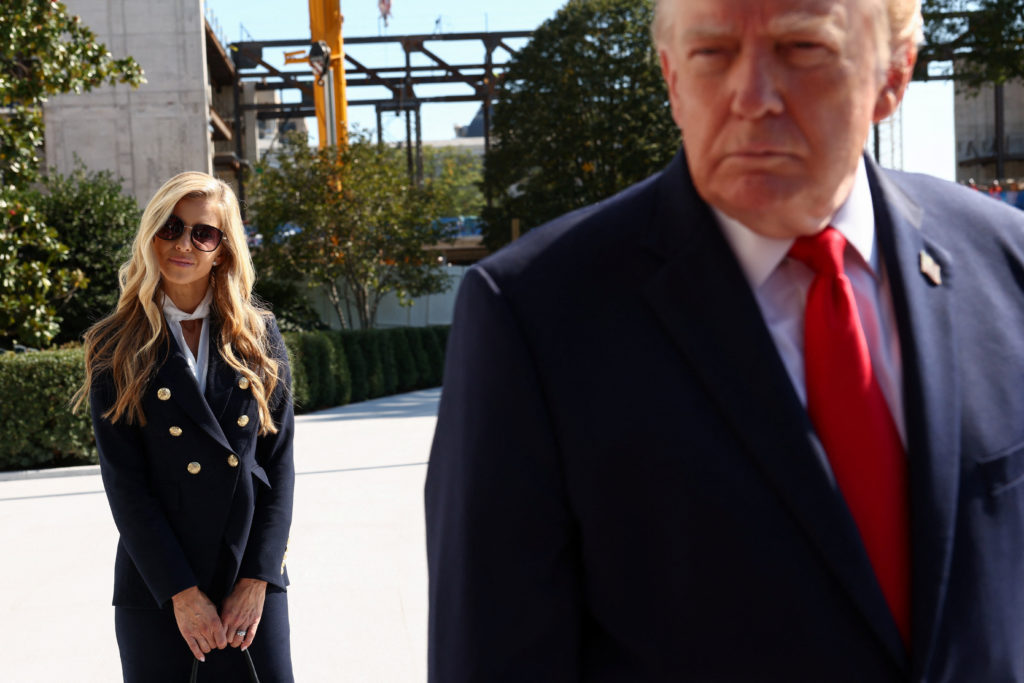
Katie Zacharia made her official debut as White House Press Secretary on Tuesday, stepping to the podium in a role that has become increasingly fraught under President Donald Trump. The former Newsmax commentator faced a packed room of journalists for a briefing that lasted only 14 minutes and included just three questioners. Her performance was marked by a heavy reliance on scripted remarks and a cautious approach to engagement, reflecting the heightened tensions between the administration and the press corps.
During the session, Zacharia frequently looked downward and read directly from prepared statements. She smiled broadly at the audience but offered little spontaneous commentary. When asked about her background, she stumbled over her words, mixing up references to her husband and the president. The questions she did accept were largely nonconfrontational and came from media outlets known for their sympathetic coverage of the Republican administration. This selective engagement underscored the defensive posture adopted by the White House communications team.
Zacharia’s appointment has drawn attention not only for her political alignment but also for discrepancies regarding her professional credentials. Reports indicate that she has claimed to be a lawyer, a detail that has been questioned by fact-checkers and journalists. The White House faced scrambling over these inquiries during the briefing, with Zacharia deflecting or failing to provide clear answers about her legal education and bar admission status. This ambiguity has added a layer of controversy to her tenure from the outset.
The role of White House Press Secretary has evolved significantly since its inception in 1929. Historically, the position served as a conduit for information, a policy amplifier, and a protector of the presidential reputation. Under Trump, however, the job has shifted toward acting primarily as an amplifier of the president’s agenda rather than a disseminator of independent information. Zacharia acknowledged this shift, stating that her goal is to “amplify, multiply and expand upon President Trump's incredible agenda for the American people.”
Critics argue that this approach undermines the traditional function of the press briefing as a forum for accountability. By limiting questions and adhering strictly to scripts, Zacharia’s debut suggested a strategy of containment rather than communication. Some former press secretaries and media analysts noted that her performance did not leave a memorable impression, highlighting the difficulties of maintaining credibility in an era where the president frequently bypasses traditional channels to address the public directly.
Trump’s antagonism toward the media has created a new layer of tension for anyone holding the post. Zacharia is finding herself under constant scrutiny from day one, with every word and gesture analyzed by opponents and supporters alike. The brief nature of her first briefing was interpreted by some as an attempt to minimize exposure to hostile questioning. However, it also raised concerns about transparency and the administration’s willingness to engage with difficult issues.
The departure of previous press secretary Karoline Leavitt in August left a vacuum that Zacharia has been tasked to fill. Her background as a commentator rather than a traditional journalist or government official marks a continuation of Trump’s preference for loyalists over experienced communicators. This choice reflects a broader strategy of consolidating control over the narrative, even at the cost of conventional diplomatic norms.
As Zacharia settles into the role, she will face ongoing challenges in balancing her loyalty to the president with the expectations of the press corps. The incident regarding her legal credentials suggests that future briefings may be punctuated by personal scrutiny as well as policy questions. Her ability to navigate these pressures will determine whether she can effectively serve as the voice of the administration.
The media landscape has become increasingly fractured, making the job of a press secretary more complex than ever. With Trump commanding the news cycle multiple times a day with provocative remarks, Zacharia must contend with a dynamic environment where traditional briefing structures are often disrupted. Her debut indicated that she is aware of these pitfalls, opting for brevity and caution over engagement.
Looking ahead, the White House will need to address the lingering questions about Zacharia’s qualifications if it hopes to restore any semblance of trust with skeptical journalists. Whether she can adapt to the demands of the role while maintaining her scripted approach remains an open question. The coming weeks will likely test her resilience and ability to manage the intense spotlight that accompanies the position.
Sources behind this briefing
Go to the original reporting
- PBS NewsHour↗Katie Zacharia's debut shows the pitfalls and possibilities of White House press secretary's role
- Popular Information | Judd Legum↗Trump’s new press secretary, Katie Zacharia, claims she’s a lawyer. Is she?
- The Washington Post↗White House scrambles over questions on new press secretary’s background

/https://tf-cmsv2-smithsonianmag-media.s3.amazonaws.com/filer_public/04/a8/04a840a6-41bd-4f53-86c5-87ea8402f208/loren_elliott.jpg)