The short version
- The Link satellite, tasked with boosting Swift's orbit, entered an uncontrolled spin due to reaction wheel failure and thruster issues.
- Katalyst Space Technologies is using plasma engines to reduce rotation rates, having already halved the spin speed in initial recovery efforts.
- Ground teams are developing new control algorithms to manage orientation using remaining hardware while investigating the cause of the malfunction.
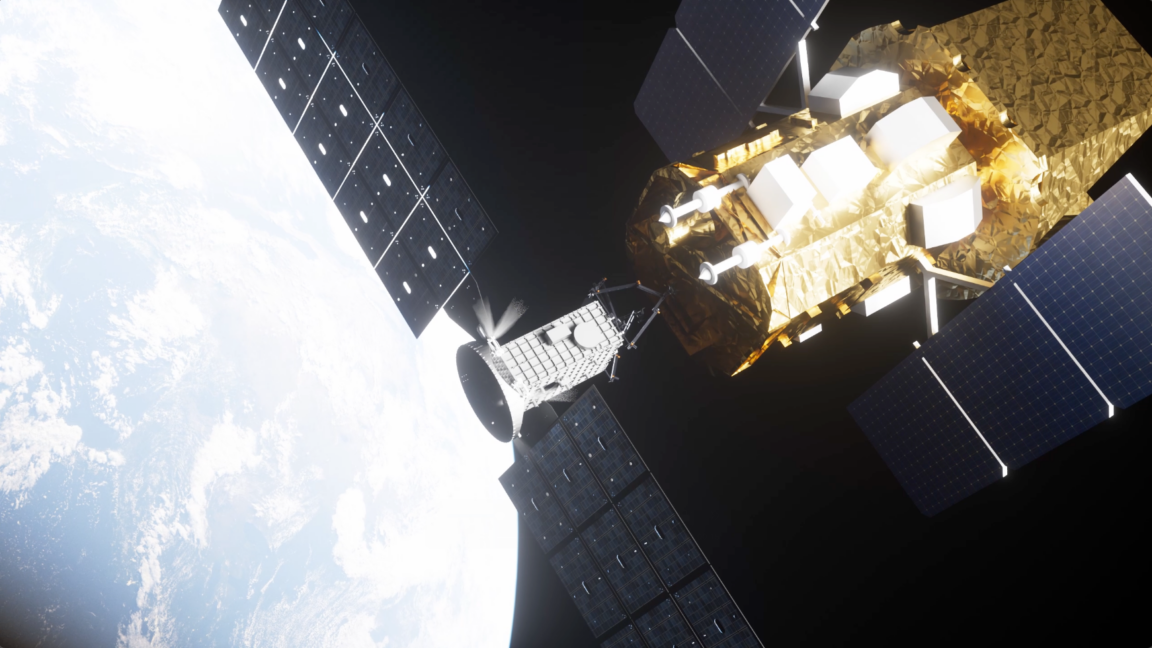
A commercial spacecraft designed to rescue NASA’s Swift gamma-ray observatory has entered a critical stabilization phase after suffering a sudden loss of control. The Link satellite, operated by Katalyst Space Technologies, began spinning uncontrollably on multiple axes while positioned more than 200 miles above Earth. This malfunction compromised its ability to maintain reliable communications with ground stations and halted progress toward capturing the aging observatory before atmospheric drag forces it to burn up.
Katalyst engineers have initiated a recovery strategy utilizing the satellite’s xenon-fueled electric thrusters, which are primarily intended for orbit raising but can vector thrust for attitude control. By directing plasma engines against the direction of rotation, the team has successfully reduced the spin rate from approximately nine degrees per second to four degrees per second. This gradual deceleration aims to restore high-bandwidth communications, allowing for detailed diagnostics and the uplinking of updated guidance algorithms.
The mission represents NASA’s first contract with a commercial entity for satellite servicing, requiring Katalyst to assemble and launch Link in under a year. While two of three reaction wheels failed and cold gas thrusters showed issues, core systems including power supplies and robotics remain functional. Investigators are still determining whether the emergency stemmed from internal hardware faults or an external collision, as teams work to remap control systems using the single remaining reaction wheel.
Sources behind this briefing
Go to the original reporting
- Ars Technica↗Here's how engineers plan to save the satellite sent to save NASA's Swift mission

