The short version
- Justin Bieber held a surprise free concert in MacArthur Park, a venue frequently cited in discussions about public safety and drug activity in Los Angeles.
- Local political figures quickly referenced the performance as evidence of improved conditions, despite ongoing challenges with homelessness and illicit trade in the area.
- The intimate acoustic set marked a sharp departure from the singer’s recent large-scale commercial performances at major festivals and sporting events.
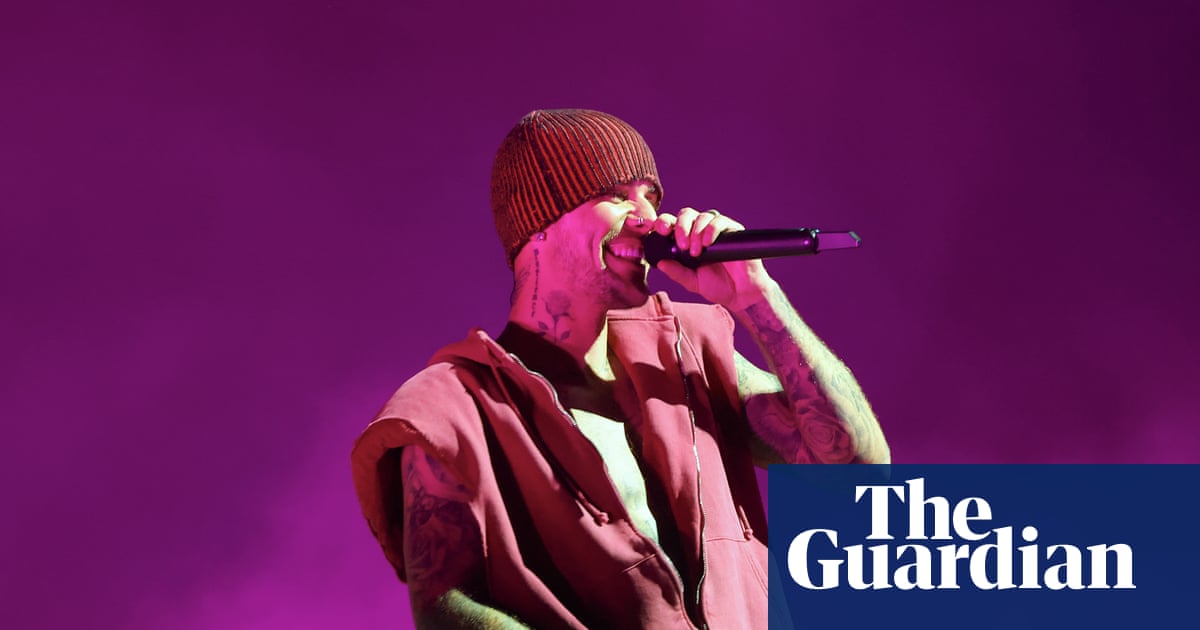
A surprise musical appearance by Justin Bieber has drawn attention to MacArthur Park, a Los Angeles location that has frequently appeared in news reports concerning public safety issues. The global pop star performed an unannounced acoustic set on Monday evening, engaging with a small audience without the typical production elements associated with his recent career trajectory. Videos circulating online show the singer dressed casually in a plain T-shirt and shorts, accompanied by four other musicians. The repertoire included tracks such as 'Daisies' and 'Yukon,' offering an intimate listening experience that stood in stark contrast to the massive spectacles he recently delivered at Coachella and during World Cup events.
The choice of venue has sparked discussion because MacArthur Park is widely recognized for its struggles with crime and social disorder. Located west of downtown Los Angeles, the park has been described in ominous terms by local media and residents alike. In recent years, the area has become a focal point for concerns regarding gang activity, rampant drug use, and the proliferation of homeless encampments surrounding its grounds. Federal authorities have previously condemned the site as an open-air drug market, leading to arrests of individuals accused of trafficking methamphetamine and fentanyl within the park’s boundaries.
These safety concerns have extended beyond law enforcement matters into the realm of local politics. MacArthur Park has served as a significant benchmark in the Los Angeles mayoral race, with challengers using conditions at the site to critique incumbent Mayor Karen Bass’s record on public safety. Earlier this year, Bass addressed the issue by stating that police were utilizing all available resources to reduce illicit activity. She emphasized that solving the problem required broader cooperation, arguing that state and county entities must increase funding for treatment facilities and recovery services to prevent individuals from cycling between jail cells and public parks.
The timing of Bieber’s performance coincides with recent efforts by local officials to improve the park’s reputation. Los Angeles District Attorney Nathan Hochman recently hosted a picnic at the location, following through on a previous commitment to make the space more welcoming for families. The district attorney took to social media platform X to comment on the singer’s appearance, joking that Bieber should be included on the guest list for next year’s Labor Day weekend event. This interaction highlights how cultural moments can intersect with municipal initiatives aimed at revitalizing public spaces.
Other legal officials also weighed in on the significance of the concert. First Assistant US Attorney Bill Essayli posted on X that the presence of a major celebrity in the park represented progress. He suggested that removing criminals and drug dealers from public areas creates an environment where such positive events can occur. These comments reflect a narrative promoted by some authorities that law enforcement actions have successfully cleared the way for community engagement and cultural activities.
Despite these optimistic interpretations, the underlying issues facing MacArthur Park remain complex. The juxtaposition of a high-profile celebrity performance against a backdrop of ongoing social challenges underscores the difficulty of transforming public perception quickly. While the concert provided a momentary shift in focus, it did not resolve the structural problems related to homelessness and substance abuse that have plagued the area for years. Observers note that single events, even those involving famous figures, rarely address the deep-rooted causes of urban decay.
The lack of official explanation for the performance adds another layer of intrigue. A spokesperson for Bieber was not immediately available to comment on what motivated the decision to hold a free concert in this specific location. Some online users expressed surprise at the venue selection, given its reputation. The absence of prior announcement or fanfare suggests an impromptu decision rather than a coordinated public relations campaign. This spontaneity aligns with the low-key nature of the event itself, which prioritized musical connection over spectacle.
As the videos from the performance continue to circulate, they offer a glimpse into how cultural icons can inadvertently become symbols in broader societal debates. For some, Bieber’s presence signals hope and renewal for a troubled neighborhood. For others, it may seem disconnected from the daily realities faced by residents who deal with safety concerns and limited resources. The incident illustrates the delicate balance between celebrating positive developments and acknowledging persistent challenges in urban environments.
Looking ahead, the impact of this event on local policy or community sentiment remains uncertain. While officials have seized upon the moment to highlight their efforts, sustained improvement will likely require continued investment in social services and crime prevention strategies. The park’s future trajectory depends less on celebrity appearances and more on long-term commitments from government bodies and community organizations. Until then, MacArthur Park will remain a site of both cultural interest and civic concern.
This episode serves as a reminder of the multifaceted nature of public spaces in major cities. They are not just backdrops for entertainment but active arenas where social, political, and economic forces intersect. The convergence of music, politics, and urban planning at MacArthur Park offers a case study in how different narratives compete for dominance. As Los Angeles continues to grapple with these issues, moments like Bieber’s concert will be viewed through multiple lenses, each reflecting different priorities and perspectives.
Sources behind this briefing
Go to the original reporting
- The Guardian World↗Justin Bieber performs surprise acoustic gig in beleaguered Los Angeles park

