The short version
- The Department of Justice is investigating five major television networks to determine if their suspension of shared presidential coverage violated federal antitrust laws.
- The probe follows a brief period last month when ABC, CBS, CNN, Fox, and NBC halted pool reporting after the White House revoked credentials for CNN, MS Now, and Politico.
- Critics argue the investigation is an attempt to intimidate press organizations defending access rights, while the administration maintains that covering the president is a privilege rather than a right.
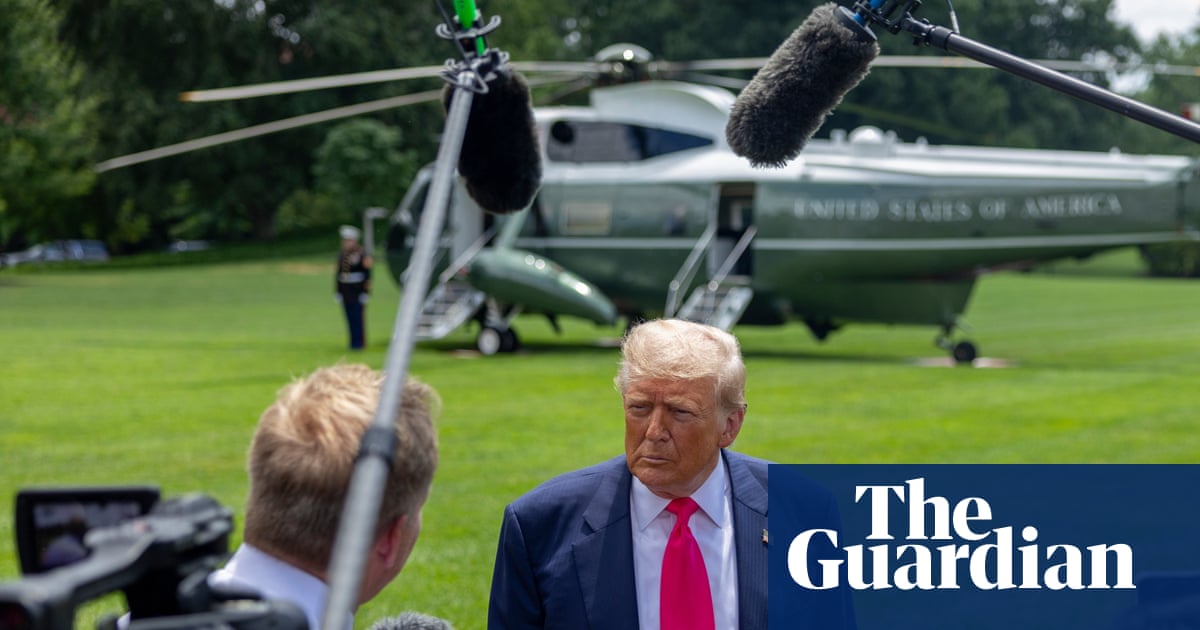
The United States Department of Justice has launched an antitrust investigation into five major television networks, questioning whether their decision to temporarily suspend shared coverage of President Donald Trump violated federal competition laws. Agency officials stated on Saturday that they are seeking communications from ABC, CBS, CNN, Fox News, and NBC related to the White House television press pool. The inquiry centers on a brief cessation of reporting last month, which occurred after the administration barred three other news organizations from entering the executive mansion.
A spokesperson for the Justice Department indicated that the Antitrust Division is examining whether the broadcasters engaged in a group boycott, a practice prohibited under the Sherman Act when commercial competitors collude to exclude others or disrupt market norms. The agency emphasized that it is simply determining if these news entities broke antitrust regulations by halting their collaborative reporting efforts. The networks were asked to provide internal communications regarding the pool system, which traditionally involves rotating coverage duties and sharing footage with other media outlets across the country.
The suspension of pool coverage was a direct response to the White House revoking press credentials for CNN, MS Now, and Politico on September 19. The administration justified the exclusion by asserting that access to the president is a privilege rather than an inherent right. This move marked a significant escalation in the Trump administration’s efforts to restrict journalists whose reporting it deems insufficiently supportive. The three barred outlets subsequently filed lawsuits challenging the ban, arguing that the restrictions violated their First Amendment rights.
Legal experts note that the First Amendment generally prevents the government from discriminating against the media based on the content of their coverage. However, the administration has taken a hardline stance, accusing the excluded organizations of publishing fiction or lies about his team. A federal judge issued a temporary reprieve for CNN, MS Now, and Politico, lifting the ban until Tuesday. Following this judicial intervention, the television pool resumed its normal operations, with broadcasters once again sharing costs and footage in their standard rotational capacity.
The controversy highlights a broader conflict over who controls access to presidential activities. For more than a century, the White House Correspondents’ Association managed the press pool, but the administration announced in February that it would take direct control of the system. This shift has intensified tensions between the executive branch and the press corps. The current antitrust probe adds another layer of legal complexity to an already strained relationship, raising questions about whether regulatory tools can be used to penalize journalistic collective action.
Critics of the investigation argue that it represents a misuse of government power to intimidate news outlets. Jose Zamora, regional director for the Americas at the Committee to Protect Journalists, condemned the move on social media, stating that the public’s right to know depends on robust press access. He suggested that using antitrust investigations as a lever against reporters defending their access rights undermines democratic principles. The administration has not commented directly on the criticism but continues to assert its authority over White House operations.
This incident is part of a wider pattern of legal confrontations between the Trump administration and news organizations. In February, the White House also moved to bar Associated Press reporters from restricted spaces like the Oval Office and Air Force One. The justification cited was the AP’s use of the term “Gulf of Mexico” instead of “Gulf of America.” The AP filed a lawsuit in response, and that case remains ongoing. These actions reflect a sustained effort by the administration to enforce its preferred narrative and penalize perceived dissent.
The outcome of the antitrust investigation could have significant implications for how news organizations collaborate in the future. If the Justice Department finds that the suspension of pool coverage violated competition laws, it could set a precedent that limits the ability of broadcasters to coordinate their responses to administrative actions. Conversely, if the networks are cleared, it may reinforce the view that journalistic cooperation is protected even when it challenges government authority. The case underscores the delicate balance between regulatory enforcement and press freedom in modern American democracy.
As the legal proceedings unfold, the media landscape remains volatile. The temporary nature of the pool suspension suggests that the networks were engaging in a form of protest rather than a permanent market exclusion. However, the Justice Department’s focus on potential antitrust violations indicates a serious intent to scrutinize the legality of such collective actions. The coming months will likely see further legal battles over press access, with courts tasked with interpreting the boundaries of executive power and constitutional protections.
The investigation also raises broader questions about the role of antitrust law in regulating non-traditional market behaviors. While the Sherman Act was designed to prevent monopolies and cartels in commercial industries, its application to news organizations is less clear-cut. The Department of Justice’s decision to pursue this line of inquiry signals a willingness to expand the scope of antitrust enforcement into areas involving information dissemination and journalistic practices. This approach could reshape how media companies navigate regulatory risks in an era of heightened political polarization.
Sources behind this briefing
Go to the original reporting
- The Guardian US↗US justice department investigating TV networks over Trump pool coverage
- BBC News↗US justice department investigates TV networks over Trump pool coverage