The short version
- The Justice Department’s internal watchdog is reviewing DEA policies that permitted fentanyl deliveries to proceed without seizure between 2023 and 2025.
- Critics argue the strategy endangered public health and contradicted earlier departmental rules requiring agents to prevent distribution when practicable.
- New Mexico state officials are conducting a parallel investigation into potential legal violations by federal agents operating within their jurisdiction.
The U.S. Justice Department has initiated an internal review of controversial law enforcement tactics that allowed significant quantities of fentanyl to enter American communities rather than being seized by federal agents. The inquiry, announced by Inspector General Don Berthiaume shortly after his swearing-in, focuses on whether the Drug Enforcement Administration adhered to departmental rules designed to protect public safety during wiretap investigations. This marks one of the first official actions taken by the new watchdog and signals a potential shift in how federal authorities balance investigative strategy against immediate community harm.
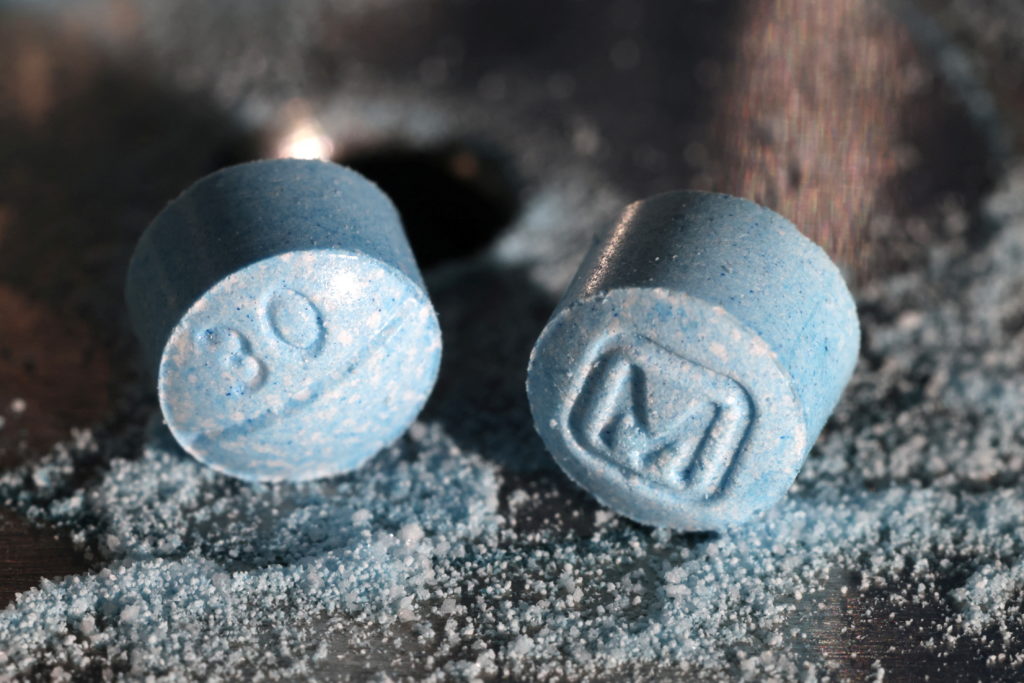
The review stems from reporting that revealed DEA agents monitored major fentanyl shipments in New Mexico between 2023 and 2025 but chose not to intervene. This approach, often referred to as letting drugs 'walk,' is intended to build larger cases against trafficking networks by allowing operations to continue until key figures can be identified and arrested. However, current and former agents have characterized this method as a dangerous gamble with public health, particularly given the lethal potency of fentanyl, which the White House has designated as a weapon of mass destruction.
Specific incidents highlighted in internal reports include a delivery of 74,000 fentanyl pills to a mobile home park in Albuquerque that was observed but not intercepted. Another case involved agents who learned of a shipment containing 350,000 pills during the initial phase of a wiretap in 2024 yet allowed it to proceed as part of an investigation that ultimately resulted in the largest fentanyl seizure in DEA history. These examples illustrate the tension between long-term prosecutorial goals and the immediate risks posed by unseized narcotics entering local markets.
Critics argue that these actions may violate Justice Department guidelines established in 2017, which instructed agents to seize or prevent the distribution of fentanyl as soon as practicable. Those rules were rewritten in 2024 to grant law enforcement greater discretion, citing the benefits of preserving ongoing investigations. Whistleblower advocates and former agents contend that this policy change has enabled willful inaction that endangers citizens, particularly in regions already grappling with high overdose rates.
Agent David Howell, a central figure in the whistleblower complaints, stated that federal authorities effectively poisoned communities to secure convictions. His allegations have drawn support from advocacy groups calling for a return to stricter interdiction standards. The inspector general’s review will assess whether similar tactics were employed in other cities beyond New Mexico and determine if departmental protocols were consistently applied or selectively ignored during these operations.
DEA Administrator Terry Cole requested the inquiry following media exposure of the whistleblower complaints, asserting that the request should not be interpreted as a lack of confidence in his agency’s personnel. The DEA has not provided immediate comment on the specific findings anticipated by the review. Cole’s stance reflects an effort to maintain institutional credibility while acknowledging the need for external scrutiny amid growing public concern over the opioid crisis.
Parallel legal challenges are emerging at the state level, where New Mexico Attorney General Raúl Torrez is investigating whether DEA agents violated state laws by permitting hundreds of thousands of pills to reach Albuquerque streets. Torrez has threatened litigation after federal authorities refused to provide requested records and denied state investigators access to interview Agent Howell. He emphasized that local governments bear the financial and societal costs of the influx, arguing that federal inaction exacerbates regional public health emergencies.
Additional whistleblowers have come forward recently, alleging that colleagues failed to act on intelligence regarding repeated fentanyl deliveries from Phoenix to Albuquerque between 2022 and 2023. These accounts suggest a pattern of prioritizing case building over immediate interdiction across multiple investigations. As the inspector general’s review proceeds, it will likely examine whether such practices represent isolated incidents or systemic deviations from established safety protocols.
The outcome of this investigation could reshape federal drug enforcement strategies, particularly regarding how agencies weigh the risks of allowing narcotics to circulate against the potential for dismantling larger trafficking organizations. With overdose deaths remaining a critical national issue, the review offers an opportunity to clarify boundaries between acceptable investigative risk and unacceptable public endangerment. Stakeholders await findings that may influence future policy adjustments and accountability measures within the Justice Department.
As the inquiry unfolds, attention remains on whether the department will revert to stricter interdiction mandates or maintain the discretion granted in 2024. The intersection of federal law enforcement priorities and local public health crises continues to generate friction, with state officials demanding greater transparency and cooperation. The review’s conclusions may set precedents for how similar tactics are evaluated in other jurisdictions facing comparable challenges.
Sources behind this briefing
Go to the original reporting
- PBS NewsHour↗Justice Department watchdog to review DEA tactic that permitted deadly fentanyl to hit streets

