The short version
- The Justice Department has engaged in high-profile enforcement actions and political endorsements during the final weeks of the midterm campaign cycle.
- Critics argue these moves violate longstanding informal norms designed to prevent the appearance of partisan bias in federal law enforcement.
- Department officials maintain that no formal rule prohibits ongoing investigations or statements, dismissing the 60-day blackout window as merely customary.
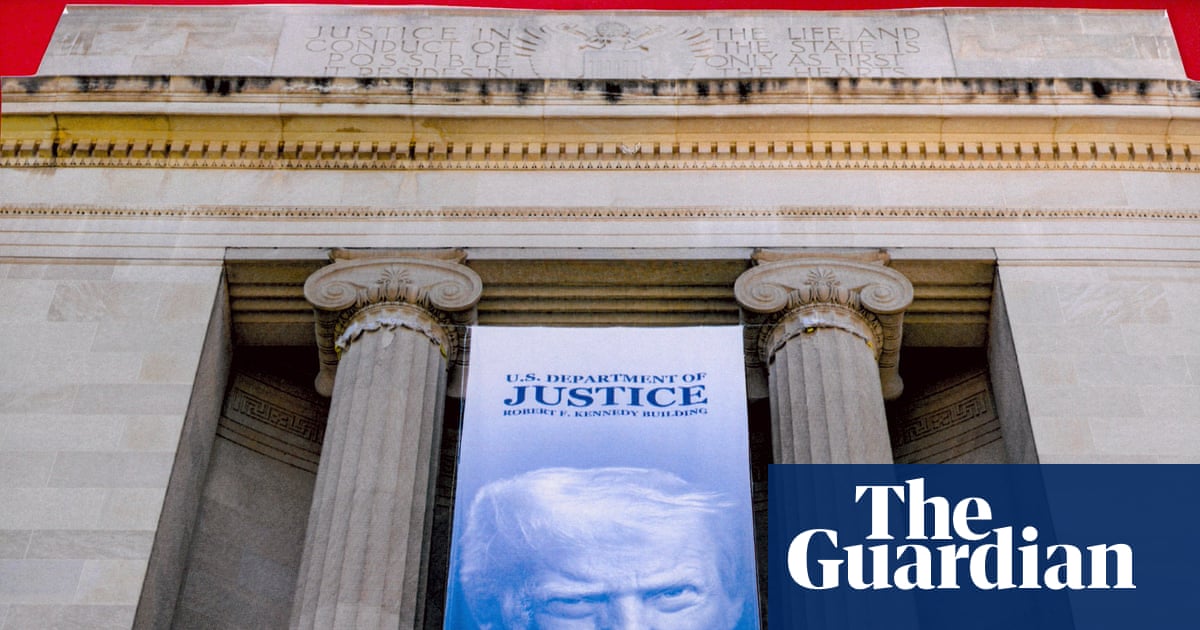
The United States Department of Justice has moved aggressively into the political arena during the final weeks of the midterm election cycle, a shift that observers say breaks with decades of institutional practice regarding political neutrality. This period is marked by several high-profile actions, including federal agents raiding the Washington, D.C., residence of Minnesota Representative Ilhan Omar, who is currently seeking re-election. The raid was part of an immigration fraud investigation and appears linked to efforts to denaturalize the lawmaker, a prominent critic of the current administration.
Beyond targeted investigations, the department has utilized its public communications channels to highlight criminal charges against non-citizens accused of voter fraud. These announcements included photographs of arrests, drawing attention to cases where court documents often lack details regarding whether the individuals knew they were ineligible to vote. Legal experts note that non-citizen voting is exceptionally rare and frequently stems from confusion over eligibility rather than deliberate fraud.
The attorney general has also departed from traditional boundaries by actively campaigning for Republican candidates. This direct involvement in electoral politics contrasts sharply with historical precedents where the head of the Justice Department maintained a distance from partisan campaign activities to preserve the agency's perceived impartiality. Additionally, the Federal Bureau of Investigation released a video criticizing Michigan Senate candidate Abdul El-Sayed and other Democrats, a move that prompted immediate condemnation from watchdog groups who argued such content has no place in a democratic society.
Tensions have also escalated with state election officials. The department issued a 48-hour ultimatum to California authorities to investigate the citizenship status of 20,000 individuals. When the state refused to comply with this demand, the Justice Department filed a lawsuit against California. These actions collectively signal a willingness to use federal legal mechanisms in ways that could influence electoral outcomes, particularly in states where the president's party faces significant challenges.
Critics argue that these maneuvers undermine public trust in the integrity of the election process. Stacey Young, a former Justice Department attorney who now leads Justice Connection, emphasized that the department historically avoided investigative steps that might sway an election. She noted that this caution was previously managed by experts in the public integrity section, but those professionals have been replaced by political appointees loyal to the president.
The controversy centers on the erosion of an unwritten 60-day blackout window before elections, during which prosecutors traditionally refrain from activities that could impact voting. Todd Blanche, who previously served as the president's personal attorney and now leads the Justice Department, has dismissed this practice as informal. A department official stated there is no specific rule or policy barring action close to an election, asserting that ongoing work does not need to stop during campaign season.
However, internal guidelines suggest a different standard. Provisions in the Justice Department manual indicate that prosecutors should not take actions intended to affect elections or advantage specific candidates. Another section advises against overt criminal investigative measures involving alleged ballot fraud until after an election is concluded and results are certified. These written standards contrast with the current administration's approach, which appears to prioritize immediate enforcement over procedural caution.
Democracy Forward, a watchdog organization, has criticized the department for reversing long-standing protections against political interference. Skye Perryman, the group's president, stated that the 60-day rule exists specifically to prevent prosecutors from impacting national elections. The current actions, including the raid on Representative Omar and the publicizing of voter fraud cases, are viewed by opponents as emblematic of a broader strategy to weaponize federal law enforcement for political gain.
As the midterms approach, the implications of these actions extend beyond immediate electoral outcomes. They raise fundamental questions about the separation of powers and the role of the executive branch in maintaining fair elections. If the Justice Department continues to operate outside traditional norms, it may set a precedent that alters how future administrations interact with the electoral process, potentially diminishing public confidence in federal institutions.
The coming days will reveal whether these tactics yield measurable political effects or trigger further legal and ethical challenges. With the department asserting its right to act without restriction, the tension between enforcement priorities and democratic norms remains unresolved. Observers will closely monitor any additional moves by federal agencies as the election concludes and results are certified.
Sources behind this briefing
Go to the original reporting
- The Guardian US Politics↗How Trump’s justice department is testing separation of powers before the US midterms