The short version
- Jurors in the Lindsay Clancy murder trial have begun deliberations after five weeks of testimony regarding the deaths of her three children in 2023.
- Clancy does not deny the killings but pleaded not guilty, arguing she was suffering from postpartum psychosis and lacked the capacity to appreciate her actions.
- The prosecution contends that despite her mental illness, Clancy knew the difference between right and wrong and could conform her behavior to the law.
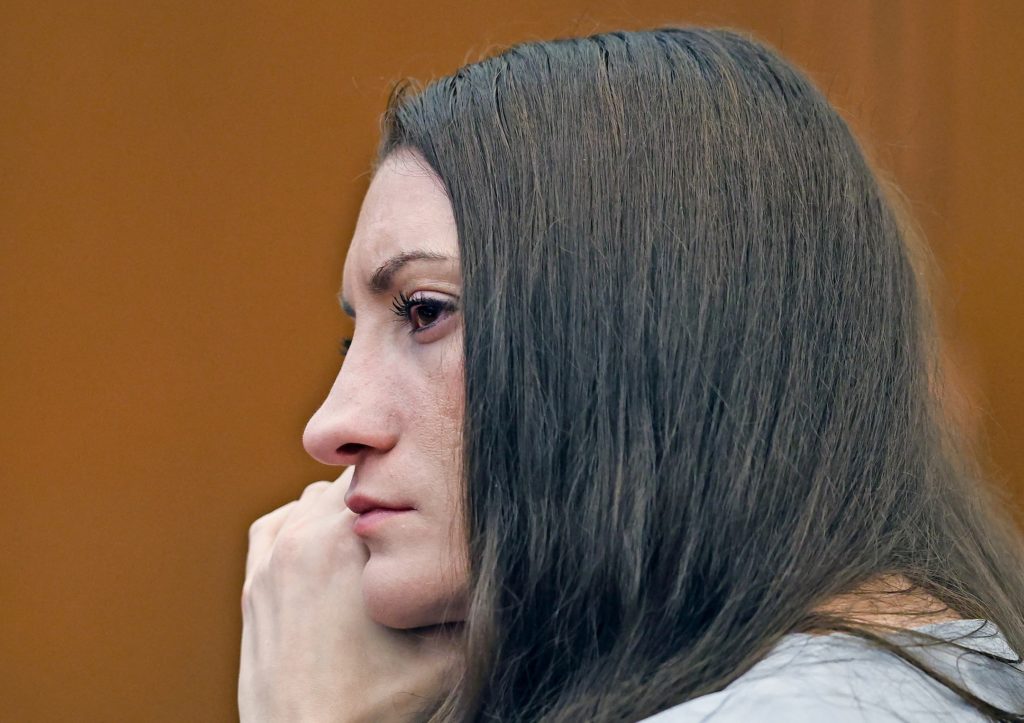
A Massachusetts jury has begun deliberating in the high-profile murder trial of Lindsay Clancy, a case that has intensified national scrutiny of maternal mental health care. The verdict will determine whether Clancy is guilty of first-degree murder, lesser charges, or not guilty by reason of insanity. For five weeks, the courtroom in Plymouth County heard testimony from more than 80 witnesses, including family members, first responders, and psychiatric experts, as both sides presented their cases regarding the deaths of Clancy’s three children, who ranged in age from eight months to five years.
Clancy, a former labor and delivery nurse, does not dispute that she strangled her children with exercise bands at their home before attempting to take her own life by jumping out a window. The suicide attempt left her paralyzed, and she has attended the trial proceedings in a wheelchair. Her legal team maintains that she cannot be held criminally responsible for the murders because they occurred while she was in the throes of postpartum psychosis, a rare and serious mental health condition that the UK’s National Health Service defines as a medical emergency requiring immediate treatment.
During closing arguments on Thursday, defense attorney Kevin Reddington urged jurors to consider Clancy’s mental state at the time of the killings. He argued that the prosecution bears the burden of proving beyond a reasonable doubt that Clancy was not suffering from a mental disease or defect that deprived her of the substantial capacity to appreciate the nature of her actions. Reddington contended that Clancy heard voices and was unable to rationally understand what she was doing, asserting that she was not guilty because she was experiencing a severe psychiatric episode.
Prosecutor Jennifer Sprague countered that mental illness alone does not exempt a defendant from criminal liability. She acknowledged evidence of Clancy’s mental health struggles but insisted the central question for the jury is whether Clancy could distinguish right from wrong and conform her behavior to legal standards at the moment she killed her children, Cora, Dawson, and Callan. Sprague argued that Clancy made a calculated decision to murder them, rejecting the defense’s characterization of the events as purely involuntary acts driven by psychosis.
The trial has drawn significant public attention, sparking broader conversations about gaps in postpartum mental healthcare systems. While Clancy admits to the physical acts, the legal battle centers entirely on her culpability. The jury, composed of nine women and three men, completed their first day of deliberations on Thursday and is scheduled to return Friday. Their decision will carry severe consequences regardless of the outcome.
Under Massachusetts law, a conviction for first-degree murder carries a mandatory life sentence without the possibility of parole. If the jury finds Clancy guilty of second-degree murder, which involves malice or extreme recklessness without prior planning, or involuntary manslaughter, she would still face prison time. However, if the jury accepts the insanity defense and finds her not guilty by reason of insanity, she will not be released. Instead, she would be committed to a psychiatric hospital, where she could potentially remain for the rest of her life.
Tensions flared during closing arguments when Reddington directly addressed prosecutors, questioning why they attempted to downplay the seriousness of Clancy’s suicide attempt. The judge intervened, ordering the attorney to address only the jury. This moment highlighted the sharp divide between the two sides: one viewing Clancy as a victim of untreated mental illness and the other as a perpetrator who made conscious choices despite her condition.
As deliberations continue, the case remains a focal point for discussions on how the justice system handles crimes committed during severe psychiatric episodes. The outcome will not only determine Clancy’s future but may also influence public perception and policy regarding postpartum psychosis and maternal mental health support in the United States.
Sources behind this briefing
Go to the original reporting
- PBS NewsHour↗Lindsay Clancy trial draws attention to postpartum mental health
- BBC World↗Jury deliberating in trial of Lindsay Clancy, US woman accused of killing her children
- USA Today↗Lindsay Clancy killed her kids. Why are women defending her? | Opinion
- The New York Times↗Opinion | I Study Women Who Kill Their Children. Lindsay Clancy Deserves Mercy.

