The short version
- The Abu Obeida mosque in Deir Alla uses a filtration system to recycle ritual washing water for garden irrigation, creating a green space in an arid region.
- Expansion of this model has been slow due to bureaucratic hurdles regarding maintenance responsibility and limited financial resources, despite ministry support.
- While officials highlight progress in awareness and pilot projects, experts question the overall volume impact, noting that behavioral change among worshippers remains inconsistent.
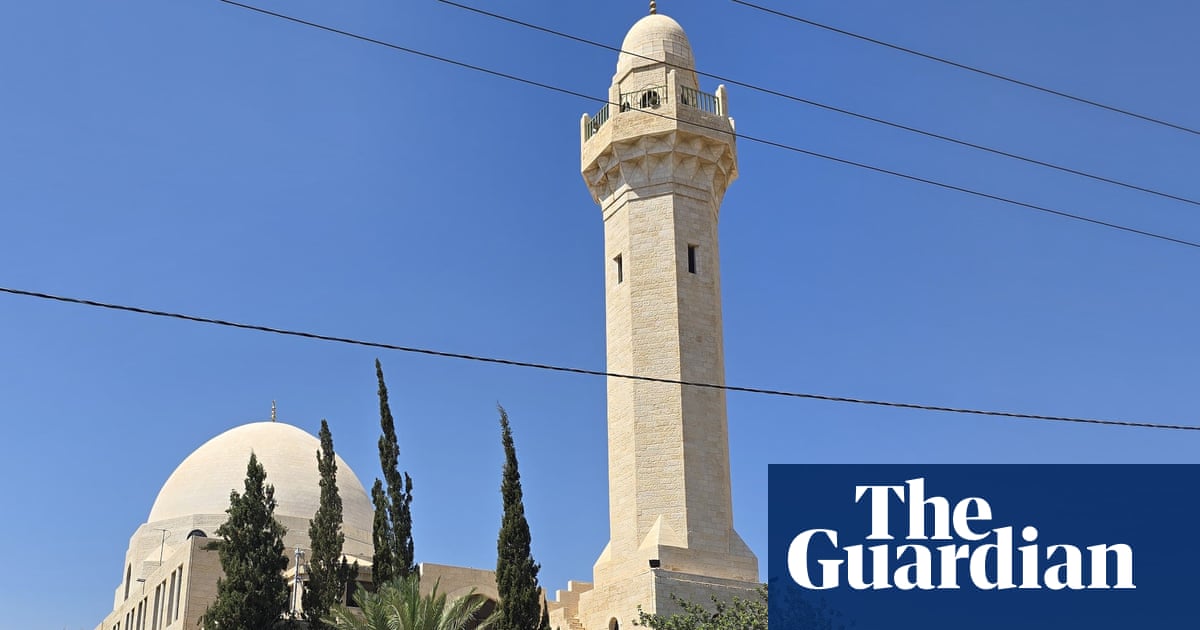
In the arid landscape of the Jordan Valley, near Deir Alla, the Abu Obeida mosque stands out as an unexpected green oasis. Surrounded by bare ochre hills, the site features lush trees and flowerbeds sustained not by municipal pipes, but by a specialized recycling system. This initiative captures wastewater from ritual ablutions performed by worshippers five times daily, treating it for use in drip irrigation. The project serves as a practical demonstration of water conservation principles within a religious context, addressing one of the most pressing challenges facing the kingdom.
Jordan faces extreme water scarcity, receiving only 61 cubic meters of renewable fresh water per person annually. This figure is less than one-eighth of the United Nations’ threshold for absolute water scarcity. With a population exceeding 11 million, mostly practicing Muslims, the demand for water is intense. Municipal supplies are often rationed, with some areas receiving piped water for as little as twelve hours each week. Households frequently rely on rooftop tanks to manage these gaps, making every drop of water used in religious practices significant.
The system at Abu Obeida was developed by the Jordanian Aqua Conservation Association, which has worked on water issues since 2008. Because ritual washing does not involve soap or harsh chemicals, the water can be treated through natural sedimentation. The process involves passing the water through five layers of gravel and sand before it is redirected to irrigate plants that would otherwise draw from strained public resources. This method allows the mosque to practice conservation values central to its teachings.
Despite the success at Abu Obeida, scaling this solution has proven difficult. It took eighteen years for the association to expand the technology to just eighteen mosques and schools. The primary obstacles have been financial, technical, and bureaucratic. A recurring issue involves determining who is responsible for maintaining the systems after installation. Imams and caretakers are employed by the Ministry of Awqaf but hold different roles, leading to ambiguity that often results in neglected equipment.
To address these challenges, the conservation group has collaborated with the ministry to integrate water conservation messages into Friday sermons. They have also organized training seminars for religious leaders. A ministry spokesperson reported that awareness programs have reached thousands of muezzins, female preachers, imams, and technicians across the country. Additionally, the ministry has implemented rainwater harvesting projects in more than fifty mosques between 2017 and 2024.
Current data indicates that over thirty-five mosques are already using ablution water for irrigation and cleaning purposes. Globally, a peer-reviewed study from 2025 estimated that millions of mosques use tens of millions of cubic meters of water annually for ablution. In Jordan alone, there are more than 7,600 mosques registered with the Ministry of Awqaf. The potential for widespread adoption exists, but the logistical realities of maintenance and funding continue to limit rapid expansion.
Experts offer mixed perspectives on the impact of these initiatives. Former irrigation officials note that Jordan is already a leader in wastewater reuse, with approximately 150 million cubic meters reused annually, mostly for agriculture. However, some remain skeptical about the scale of impact from ablution water specifically, arguing that the quantities involved may not be as substantial as imagined. The volume of water saved per mosque is modest compared to national consumption patterns.
Behavioral change remains another hurdle. While religious leaders frequently emphasize the importance of rationing water during sermons, the message does not always translate into daily habits. Some worshippers continue to waste water at home, leaving taps running or allowing storage tanks to overflow. The gap between preached conservation and practiced conservation highlights the complexity of addressing water scarcity in a society where resource constraints are a daily reality.
The Abu Obeida project illustrates both the potential and the limitations of community-led conservation efforts. By treating ritual water as a resource rather than waste, the mosque demonstrates a feasible model for reducing municipal demand. However, without clear institutional frameworks for maintenance and broader cultural shifts in water usage, such initiatives may remain isolated examples rather than systemic solutions. The coming years will likely see continued experimentation with these technologies alongside ongoing efforts to align religious teachings with practical conservation behaviors.
Sources behind this briefing
Go to the original reporting
- The Guardian US↗How a Jordan mosque is recycling ritual water to create a green oasis


