The short version
- Jetstar will remove the seven-kilogram weight limit for carry-on items but will charge fees ranging from $25 to over $80 for overhead locker access starting in February 2027.
- Base fares will cover only one underseat bag, with the airline citing improved boarding efficiency and reduced gate stress as primary motivations for the policy change.
- Government officials have demanded proof that the new structure maintains affordable ticket prices, echoing broader regulatory debates seen in Europe regarding baggage fee transparency.
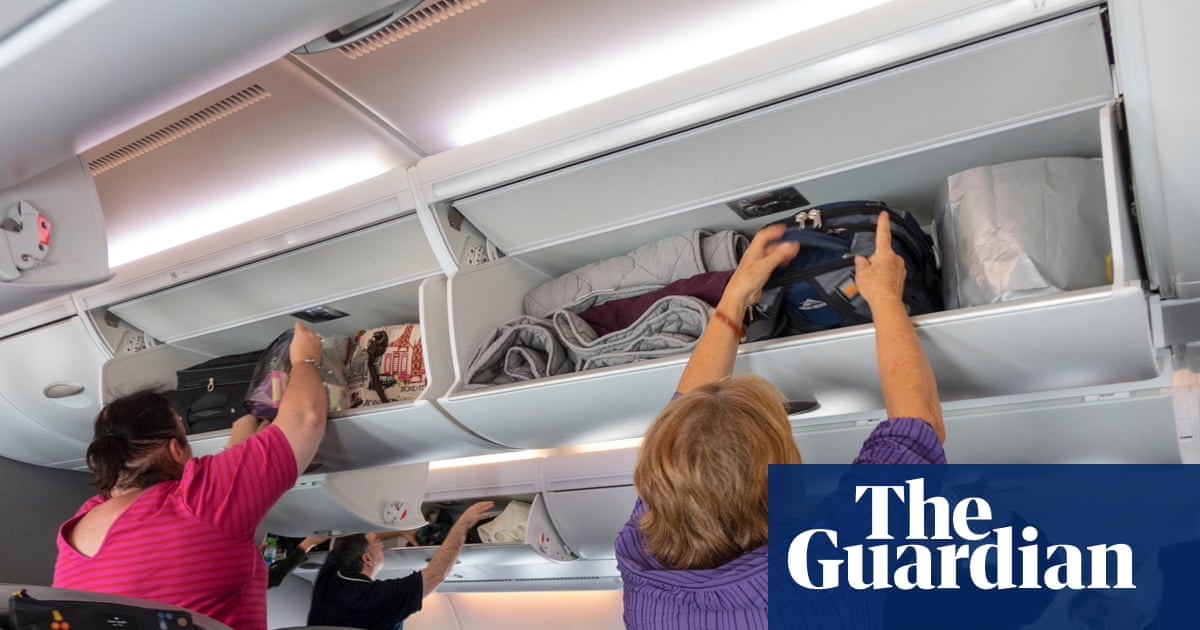
Jetstar Airways has announced a significant restructuring of its carry-on baggage policies, marking a departure from its previous allowance model. Beginning in February 2027, the Australian low-cost carrier will eliminate the existing seven-kilogram weight restriction for items brought into the cabin. However, this change comes with a new financial condition: passengers will be required to pay an additional fee if they wish to store luggage in the overhead lockers. Base ticket prices will continue to include only one small bag suitable for placement under the seat, such as a backpack, handbag, or laptop case.
The cost of accessing overhead storage will vary according to the distance of the flight. Jetstar has indicated that fees could start at $25 for shorter domestic routes, such as Launceston to Sydney, and rise to $33 for corridors like Sydney to Melbourne. Longer international journeys carry higher costs, with examples showing fees of $52 for flights from Cairns to Tokyo. Independent checks of the airline’s booking system revealed even steeper prices for certain long-haul routes, with overhead bag access costing $86 one way and $108 on the return leg for a Melbourne-Tokyo itinerary in early 2027.
Under the revised rules, Jetstar will cease the routine weighing of cabin baggage at the gate. While there is no longer a strict weight limit, the airline advises passengers to keep bags under 10 kilograms to ensure they can be lifted safely into storage compartments without assistance. Size restrictions remain in place; underseat items must not exceed dimensions of 40 by 30 by 20 centimeters, while overhead luggage is limited to 56 by 36 by 23 centimeters. Travelers with infants will retain the ability to bring an additional underseat bag for baby essentials at no extra charge.
Jetstar leadership has framed the policy shift as a response to operational inefficiencies and passenger frustration. Stephanie Tully, the airline’s chief executive officer, stated that extensive research identified gate weighing and overhead bin congestion as major sources of stress during travel. By separating underseat allowances from overhead access, the company aims to optimize cabin space utilization, streamline the boarding process, and improve on-time departure rates. The new 'Priority Carry-on' fee also grants passengers priority boarding privileges.
This strategic pivot aligns Jetstar with a broader industry trend among budget carriers to maximize ancillary revenue. These additional income streams, which include fees for baggage, seat selection, and onboard services, have become critical for profitability in the low-fare sector. Jetstar reported strong performance in this area during its previous fiscal year, though it did not disclose specific figures. The airline argues that this model allows customers to pay only for the services they require, theoretically keeping base fares lower than they would be if overhead storage were included by default.
The move has drawn immediate scrutiny from government officials. A spokesperson for Transport Minister Catherine King emphasized that Jetstar must demonstrate that these changes actually result in more affordable ticket prices for consumers. The government’s stance reflects a broader expectation for clarity in airline pricing, insisting that carriers provide transparent information about what is included in the initial fare to prevent unexpected costs at the airport.
The debate over carry-on baggage fees is not unique to Australia. In Europe, similar policies implemented by budget airlines have sparked intense political and consumer backlash. Earlier this year, the European Parliament voted to guarantee passengers the right to bring two pieces of free carry-on luggage: a small personal item and a standard cabin bag. Following resistance from airline operators, the European Council mandated that all airfares displayed on booking platforms must include the cost of carry-on luggage, aiming to facilitate easier price comparisons for shoppers.
As Jetstar prepares for the February 2027 implementation, the industry will watch closely to see how passengers respond to the new fee structure. The airline maintains that its checked baggage allowances remain unchanged, with options still available for purchasing up to 40 kilograms of hold luggage per passenger. Whether this tiered approach successfully balances operational efficiency with consumer satisfaction remains to be seen, particularly as regulatory bodies continue to examine the transparency of ancillary charges in the aviation sector.
The transition period will likely test the airline’s ability to communicate these changes effectively. With size-based models becoming more common globally, Jetstar positions itself as following international best practices for low-cost carriers. However, the success of this strategy depends on whether travelers perceive the trade-off between lower base fares and higher baggage fees as a fair exchange. The coming months will provide early indicators of how this policy shift impacts customer behavior and overall revenue streams.
Sources behind this briefing
Go to the original reporting
- The Guardian World↗Jetstar to charge fees up to $52 to put carry-on baggage in overhead lockers

