The short version
- Jay Clayton has been sworn in as the ninth director of national intelligence, succeeding Bill Pulte who served in an acting capacity following Tulsi Gabbard's departure.
- Clayton’s confirmation was controversial due to his refusal to explicitly acknowledge Joe Biden’s victory in the 2020 election, a stance that drew criticism from Democrats and support from Republicans.
- In his inaugural statement, Clayton pledged to protect the intelligence community from political weaponization while emphasizing transparency and accountability ahead of the midterm elections.
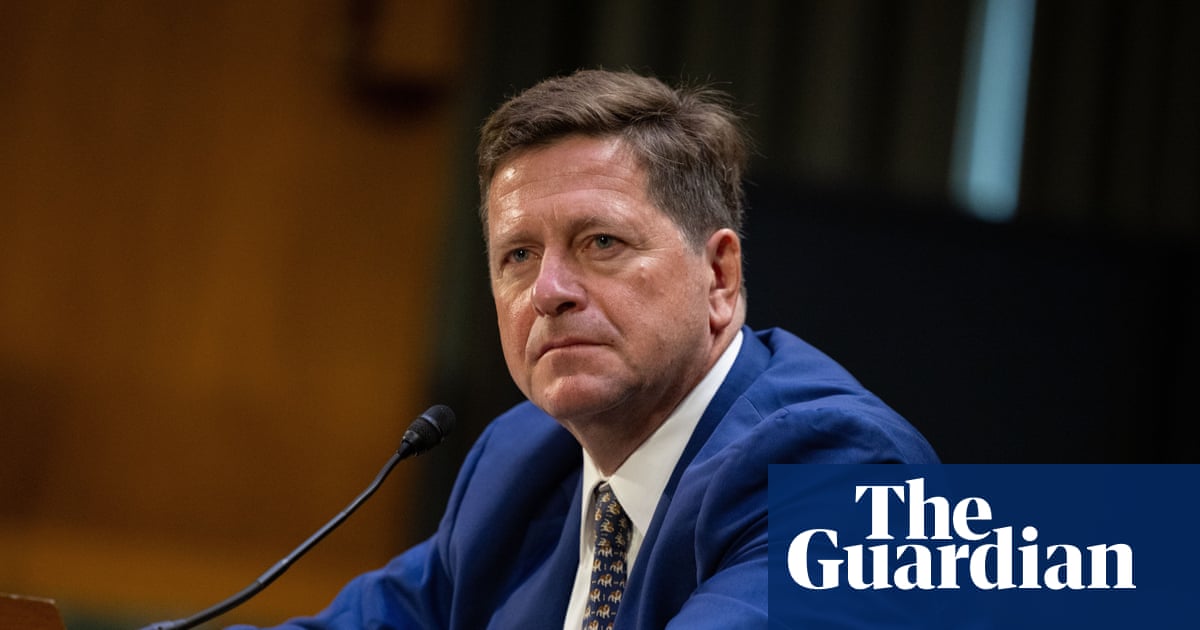
Jay Clayton has officially taken office as the director of national intelligence, marking a significant transition in the leadership of the United States’ spy agencies. The swearing-in ceremony took place in the Oval Office on Tuesday, with Treasury Secretary Scott Bessent administering the oath while President Donald Trump observed and applauded. This appointment concludes a period of interim leadership under Bill Pulte, who had been installed as acting director after Tulsi Gabbard stepped down from the position in June. Clayton becomes the ninth individual to hold this top intelligence post, inheriting an apparatus that has faced considerable scrutiny and internal shifts over recent months.
The path to Clayton’s confirmation was fraught with political tension, particularly regarding his stance on the 2020 presidential election. During Senate hearings, Clayton declined to directly affirm that Donald Trump lost the election to Joe Biden, a position that sparked intense debate among lawmakers. Democratic senators condemned this refusal as an endorsement of false narratives, while Republican legislators ultimately confirmed him along strict party lines. This controversy underscores broader concerns about how the intelligence community will navigate its relationship with an administration that has frequently accused federal agencies of being weaponized for political purposes.
Prior to Clayton’s arrival, Bill Pulte’s brief tenure as acting director had already unsettled some members of Congress due to his lack of traditional national security experience. Pulte, a housing regulator appointed by Trump, became involved in the administration’s efforts to highlight vulnerabilities in the US election system. Shortly before Clayton was confirmed, Pulte released intelligence community documents from 2020 detailing China’s capacity to interfere in US politics and weaknesses in electoral infrastructure. Although much of this material was previously known, its release coincided with Trump’s strategy to make election security a central issue ahead of the upcoming midterm elections.
Clayton brings a distinct background to the role, having previously served as the United States Attorney for the Southern District of New York and as chair of the Securities and Exchange Commission. During his time at the SEC, which spanned from 2017 to 2020, he oversaw more than 2,300 enforcement actions resulting in billions of dollars in penalties. His legal career also includes senior positions at major financial firms such as Apollo Global Management and Sullivan & Cromwell, as well as teaching roles at the University of Pennsylvania and Wharton. Republican supporters, including Senate Majority Leader John Thune and Senator Tom Cotton, have pointed to this record as evidence of his qualifications, describing him as a proven leader with deep experience in handling complex threats.
In his first public statement as director, Clayton sought to address concerns about political interference within the intelligence community. He emphasized that the safety and security of the American people would remain the guiding principle for his leadership. Clayton promised to ensure complete confidence in the agency through proper oversight, transparency, and accountability. Specifically, he stated that the vital work of the intelligence community must never be weaponized for political motives, echoing language often used by Trump and his allies to describe alleged abuses of federal power by previous administrations.
The transition occurs against a backdrop of ongoing upheaval within the intelligence apparatus under the current administration. Tulsi Gabbard’s tenure was characterized by clashes with congressional Democrats, who accused her of advancing the president’s political agenda and promoting debunked election claims. Pulte’s subsequent appointment raised fresh questions about the politicization of these agencies. Clayton now faces the challenge of stabilizing an organization that has endured significant turbulence while maintaining its operational integrity. His goal is to create a streamlined, agile, and mission-focused intelligence community that can effectively address national security threats.
With just over three months remaining until the midterm elections, which will determine control of Congress, the political stakes are high. The intelligence community’s role in monitoring foreign interference and domestic security vulnerabilities remains critical. Clayton’s leadership will be closely watched by both supporters and critics as he navigates these challenges. His ability to balance political pressures with professional standards will likely define his tenure. As he begins to implement his vision for the agency, the focus will remain on ensuring that the intelligence community serves the nation’s interests without succumbing to partisan agendas.
Senator Katie Britt of Alabama offered congratulations via social media, expressing anticipation for Clayton’s leadership in keeping the nation safe from threats. Other Republican lawmakers have highlighted his previous bipartisan confirmation as SEC chair as a sign of his potential to work across the aisle. However, the deep divisions surrounding the 2020 election results suggest that achieving broad consensus may be difficult. Clayton’s task is not only to manage the day-to-day operations of eighteen intelligence agencies but also to restore trust in an institution that has become a focal point of political contention.
Looking ahead, Clayton must address resource needs for the men and women serving in the intelligence community. He has indicated a commitment to ensuring they have the tools necessary to carry out their critical missions. The coming months will test his ability to deliver on these promises while managing external pressures from both within and outside the government. As the midterm elections approach, the intersection of national security and political strategy will remain a defining feature of his leadership. The outcome of this period could have lasting implications for how the intelligence community operates in future administrations.
The appointment of Jay Clayton represents a pivotal moment for US intelligence leadership. His background in law enforcement and financial regulation offers a unique perspective on managing complex threats. However, the controversies surrounding his confirmation highlight the challenges of maintaining nonpartisan integrity in a highly polarized political environment. As he settles into the role, Clayton’s actions will be scrutinized for signs of either independence or alignment with the administration’s political goals. The coming weeks and months will reveal whether he can successfully navigate these pressures while fulfilling his duty to protect national security.
Sources behind this briefing
Go to the original reporting
- The Guardian US Politics↗Jay Clayton sworn in as US director of national intelligence