The short version
- Jason Arday, the University of Cambridge’s youngest Black professor, was found dead at his south London residence on Friday afternoon.
- Arday had resigned just days earlier amid a public dispute over plagiarism allegations and questions about his personal history and fundraising claims.
- Police are treating the death as unexpected but not suspicious, while Arday’s family attributes his demise to a sustained campaign of abuse and misinformation.
Jason Arday, a sociologist who recently stepped down from his position at the University of Cambridge, has been found dead at his home in Battersea, south London. Emergency services responded to the address on Friday afternoon after being alerted by the London Ambulance Service. Upon arrival, officers discovered an unresponsive individual inside the residence. The Metropolitan Police confirmed that a 41-year-old man was pronounced dead at the scene and stated that while the death is considered unexpected, it is not currently viewed as suspicious.
Arday had resigned from his role as professor of sociology of education only one week prior to his death. His departure followed an intense period of public scrutiny involving allegations of plagiarism in his doctoral work and inconsistencies regarding his athletic achievements and charitable fundraising efforts. In a statement released last week, Arday cited the profound personal toll taken by relentless accusations and media speculation as the primary reason for his immediate resignation. He emphasized that stepping down should not be interpreted as an admission of guilt regarding the narratives surrounding his career.
The controversy began to escalate in late July when Nathan Cofnas, a former Cambridge researcher known for his critiques of diversity initiatives, publicly questioned Arday’s academic integrity. Subsequent investigations by The Times of London highlighted passages in Arday’s 2015 PhD thesis that appeared identical or near-identical to work produced by another researcher. While Liverpool John Moores University, which awarded Arday his doctorate, had previously cleared him of plagiarism charges earlier this year, the renewed public pressure prompted Cambridge University to announce an independent review of its hiring processes and Arday’s specific appointment.
Arday’s family released a statement expressing shock and grief over the loss of their son, brother, and father. They described Arday as a gentle man who consistently sought to see the best in others. The family attributed his death to a three-year campaign of sustained abuse and misinformation aimed at undermining him. They urged the press to cease harassment against them and requested privacy during this difficult time. London Mayor Sadiq Khan echoed these sentiments, describing the public treatment Arday received as an unacceptable form of hounding and pernicious shaming that would likely not have been directed at individuals in similar positions without regard to race.
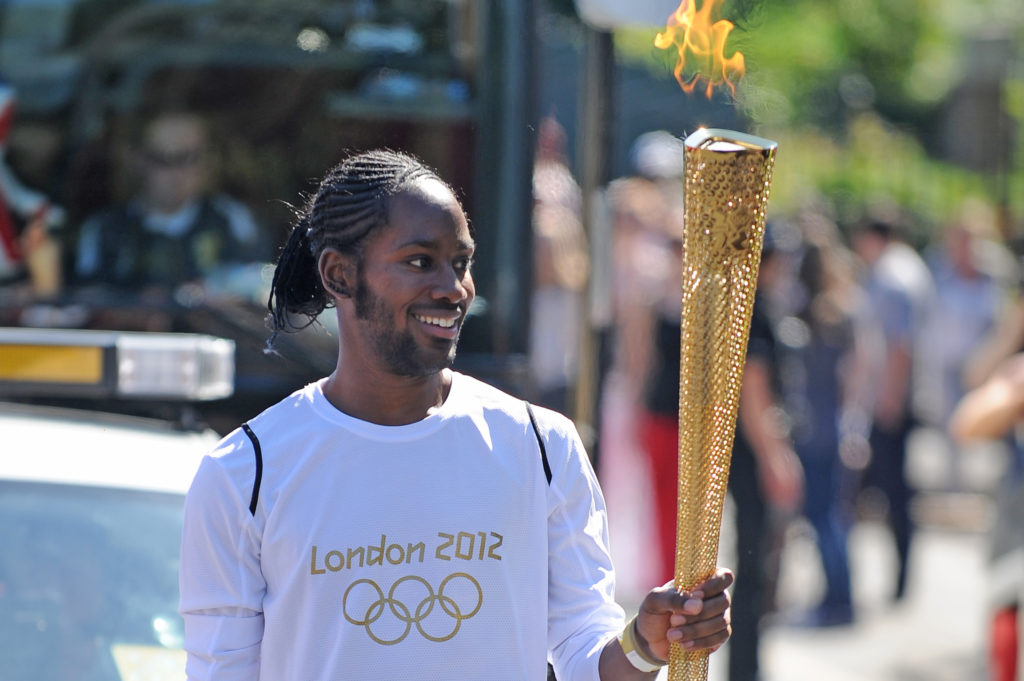
Arday’s academic trajectory was widely celebrated before the controversy emerged. Appointed in 2023 at age 37, he became Cambridge’s youngest Black professor, a distinction highlighted against the backdrop of low representation of Black academics in UK higher education. His personal narrative included overcoming significant developmental challenges; Arday stated he was non-verbal until age 11 and illiterate until his late teens due to autism and dyslexia. This journey contributed to his selection as a torchbearer for the 2012 London Olympics, symbolizing resilience and achievement against odds.
Supporters of Arday, including numerous academics and politicians, characterized the allegations as a coordinated smear campaign designed to target Black professionals in influential roles. They argued that the intensity of the media response went far beyond standard scholarly disagreement or peer review. Conversely, critics pointed to specific discrepancies in Arday’s claims about raising millions of pounds through marathon running feats and questioned the validity of his early educational milestones. These competing narratives created a polarized environment within and outside the university community.
Cambridge University leadership expressed deep sadness over the news. Vice-Chancellor Deborah Prentice offered heartfelt sympathies to Arday’s family and friends while reaffirming the institution’s commitment to its staff of color. She described the situation as an aberration that should not cast doubt on the legitimacy of other appointments or contributions made by minority scholars. The university has committed to a thorough investigation into how Arday was appointed, aiming to address concerns raised by faculty members who signed letters calling for transparency in hiring practices.
The case raises broader questions about duty of care within academic institutions and the ethical boundaries of media scrutiny. Legal advocates have questioned the public interest in continuing to pursue Arday after his resignation, suggesting that risk assessments regarding potential harm were inadequate. As police prepare a file for the coroner, the academic community remains divided between those who view the allegations as necessary accountability and those who see them as part of a broader pattern of harassment against marginalized scholars. The outcome of the university’s internal review may influence future policies on appointment vetting and support for faculty under public pressure.
Sources behind this briefing
Go to the original reporting
- PBS NewsHour↗Jason Arday, youngest Black professor at Cambridge, found dead at 41 after resignation
- The Guardian World↗Jason Arday, professor at centre of Cambridge plagiarism row, found dead
- BBC News↗Jason Arday, ex-Cambridge professor at centre of plagiarism row, found dead

