The short version
- The Kanazawa fire department advises against rearranging paramedics' shoes to prevent delays in emergency response times.
- Shoes are positioned specifically to allow stretcher bearers to enter and exit quickly without disturbing patients or medical equipment.
- Officials suggest residents prioritize preparing patient identification documents over adhering to traditional hospitality customs during crises.
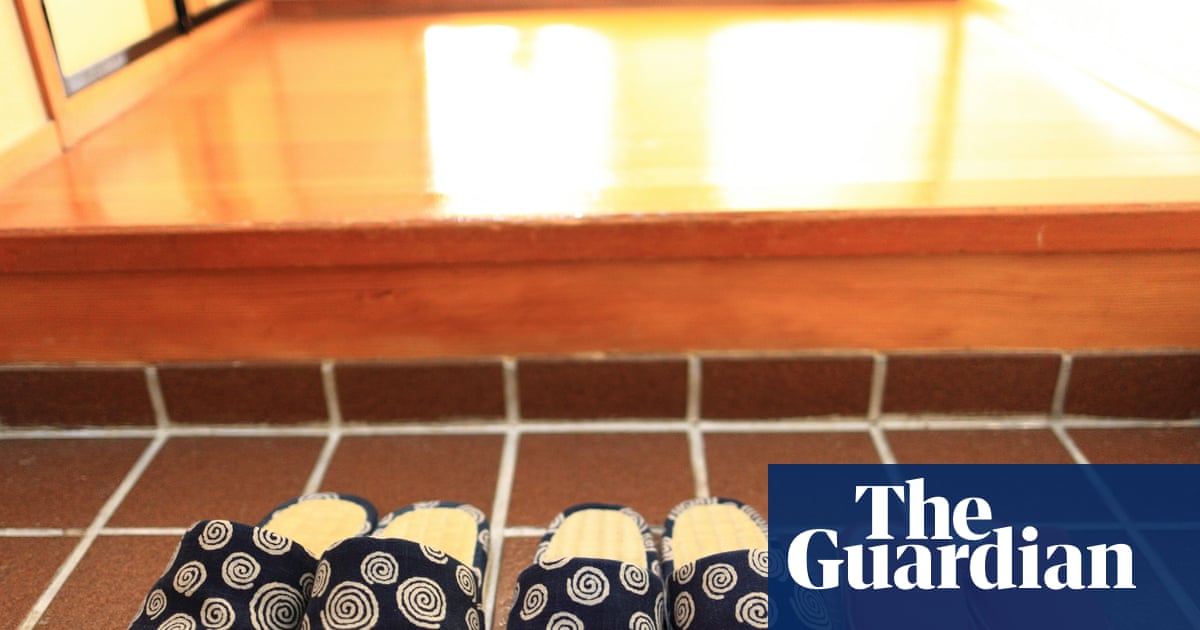
Emergency responders in the central Japanese city of Kanazawa have issued a public advisory asking residents to refrain from tidying up footwear left by paramedic crews. The guidance challenges a deeply ingrained social norm in Japan, where it is customary for homeowners to rearrange guests' shoes so they face the doorway, facilitating an easy exit. While this gesture is traditionally viewed as polite and considerate, local fire officials argue that during medical emergencies, such actions can inadvertently hinder rapid response efforts.
The directive gained significant attention after a video posted by the Kanazawa fire department on Instagram accumulated more than half a million views. In the clip, firefighters demonstrate the precise positioning of shoes at home entrances. This arrangement is not arbitrary; it is designed to allow three stretcher bearers to step directly into their footwear without hesitation. The specific orientation ensures that responders can move efficiently while minimizing movement that could shake a patient or dislodge critical medical equipment, such as an oxygen mask.
Daisuke Yamashita, a firefighter interviewed by TBS News Dig, explained the operational logic behind the request. He noted that emergency crews determine shoe placement based on their specific roles within the team. When residents intervene to straighten or reposition these items out of kindness, it disrupts this calculated setup. Yamashita stated that such interference can delay the process of putting shoes back on, which in turn slows down the transport of the patient. Based on departmental experience, he estimated that this disruption results in a loss of approximately thirty seconds.
In high-stakes medical situations, even minor delays can have significant consequences. The thirty-second window mentioned by Yamashita may seem brief, but it represents time when paramedics are unable to focus entirely on patient care or rapid evacuation. The physical act of stepping into correctly positioned shoes allows the team to maintain stability and speed. If a resident moves the footwear, responders must pause to adjust their footing, breaking the flow of the emergency procedure. This interruption can be particularly problematic when carrying a stretcher through narrow doorways or tight spaces.
The cultural context of this advice highlights a tension between traditional etiquette and modern emergency management. Japanese society places a high value on manners and consideration for others, often extending to meticulous hospitality practices. Removing shoes upon entering a home is a standard practice, and ensuring they are neatly arranged for departure is a common courtesy. However, the Kanazawa fire department emphasizes that these norms should yield to safety protocols during crises. The well-intentioned act of tidying up can become an obstacle when speed and precision are paramount.
Officials have offered an alternative way for residents to assist during emergencies. Rather than focusing on footwear, Yamashita suggested that people prepare the patient's My Number card or other forms of identification in advance. This administrative step can streamline the process once medical personnel arrive, allowing them to access necessary information quickly without searching through personal belongings. By shifting the focus from physical tidiness to document readiness, residents can contribute more effectively to the emergency response.
Public reaction to the video has been largely positive, with many viewers expressing gratitude for the clarification. Comments on the social media post indicate that a significant number of people were unaware of this specific protocol. Some users pledged to remember the advice for future situations, acknowledging that their previous habits might have inadvertently caused delays. The widespread engagement suggests that there is a gap in public knowledge regarding how best to support emergency services during home visits.
One comment that garnered substantial attention proposed a different approach to the shoe issue entirely. A user suggested that in an emergency, residents should simply invite paramedics to step inside with their shoes on, bypassing the need for removal altogether. This perspective underscores a growing recognition that strict adherence to etiquette may not always be appropriate in urgent scenarios. While the fire department has not explicitly endorsed this suggestion, it reflects a broader conversation about prioritizing life-saving actions over social conventions.
The Kanazawa initiative serves as a reminder that community cooperation with emergency services requires clear communication and understanding of operational needs. As cities across Japan continue to refine their emergency response strategies, such public education campaigns play a crucial role in aligning resident behavior with professional protocols. By clarifying what actions are helpful versus hindering, fire departments can ensure that well-meaning gestures do not compromise patient safety.
Moving forward, the success of this campaign will likely depend on continued public awareness and adaptation. Residents who internalize these guidelines can help streamline emergency interventions, reducing unnecessary delays and improving outcomes for patients. The emphasis on preparing identification documents offers a practical, actionable step that complements the request to leave shoes alone. Together, these measures aim to create a more efficient environment for paramedics working under pressure.
Sources behind this briefing
Go to the original reporting
- The Guardian World↗Please don’t rearrange our shoes when we turn up, paramedics in Japan urge

