The short version
- The Japanese government has enacted amendments preserving male-only succession despite polls showing overwhelming public favor for allowing women to ascend the throne.
- The imperial family has dwindled from thirty members three decades ago to just sixteen today, with only five men remaining in the direct line of succession.
- New rules permit distant male relatives from former collateral branches to rejoin the imperial household, aiming to secure heirs without altering gender restrictions.
Japan’s conservative government has moved decisively to preserve the male-only lineage of its imperial family, enacting legislative amendments that effectively block women from ascending the Chrysanthemum throne. This legal shift comes as the nation grapples with a severe demographic contraction within the royal household, which has shrunk from thirty members three decades ago to just sixteen today. Of these remaining royals, only five are men, creating an urgent succession crisis that threatens the continuity of the 1,500-year-old institution.
The new regulations, set to take effect later this month, were pushed through by Prime Minister Sanae Takaichi and her allies despite significant public opposition. The amendments safeguard the traditional male-line succession for future generations while introducing mechanisms to replenish the royal ranks without admitting women. Specifically, the law allows men from eleven collateral branches that left the imperial fold after World War II to be adopted back into the family. These distant relatives must be single and over the age of fifteen to qualify, and their sons would subsequently join the line of succession if they marry and produce male heirs.
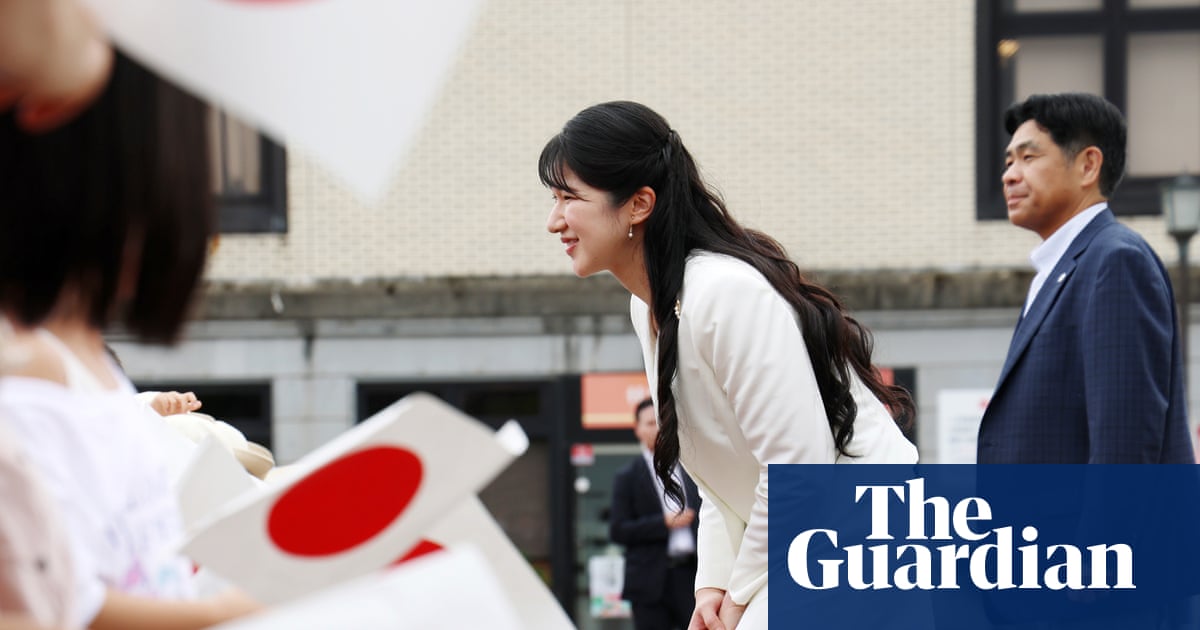
Public sentiment stands in stark contrast to the government’s hardline stance. A recent poll conducted by the Mainichi Shimbun newspaper revealed that 72% of Japanese citizens favor allowing a woman to become emperor, while only 10% oppose such a change. This support transcends political affiliations and reflects a growing unease among the populace regarding the exclusion of Princess Aiko, the 24-year-old daughter of Emperor Naruhito and Empress Masako. As the most popular member of the imperial family, Aiko has garnered widespread admiration for her composure and engagement with the public, leading many to question why she is barred from the throne solely due to her gender.
The current line of succession rests on just three men: Emperor Naruhito’s younger brother, Crown Prince Akishino; his son, Prince Hisahito; and the emperor’s uncle, Prince Hitachi, who is 90 years old. Prince Hisahito, a 20-year-old university student, is the first male born into the imperial family in four decades. If he does not produce a son, the direct line of succession will end within a generation. The government’s recent legislative moves are designed to prevent this outcome by expanding the pool of potential male heirs rather than altering the gender requirements for succession.
Prime Minister Takaichi has defended the amendments as necessary to maintain the historical integrity of the imperial institution. She argued that the uninterrupted male-line succession over 126 generations forms the foundation of the emperor’s authority and legitimacy. While Takaichi stated that the revisions were intended only to ease the immediate succession crisis rather than settle the broader debate on female emperors, experts suggest the changes signal a firm commitment to preserving patriarchal traditions. Professor Makoto Okawa of Chuo University noted that the recent amendment clearly points toward maintaining male-line succession indefinitely.
International observers have also weighed in on the issue. In 2024, the United Nations women’s rights committee urged the Japanese government to allow a female emperor, citing gender discrimination concerns. Tokyo dismissed this intervention as inappropriate and regrettable, asserting that imperial succession is a matter of fundamental national identity. The clash between international human rights standards and domestic conservative ideology highlights the deep cultural roots of the succession laws, which were originally established during the Meiji era in 1889 and codified in 1947.
Previous attempts to address the succession question had stalled due to pressure from conservative lawmakers and the birth of Prince Hisahito in 2006, which temporarily alleviated fears of a male heir shortage. However, with the imperial family continuing to shrink, the window for compromise has narrowed. The new law also includes provisions allowing women to retain their royal status after marrying non-royals, a change that had been previously debated but not fully implemented. This adjustment aims to keep female members within the household structure without granting them succession rights.
As the debate intensifies, Princess Aiko’s continued popularity may force a future reconsideration of these laws. Her ability to embody the role of the emperor as a symbol of the nation, close to the people, has strengthened public demand for reform. Fans and supporters argue that the government is ignoring an overwhelming consensus for change. The coming years will likely see increased scrutiny of the imperial household’s composition and the legal frameworks governing it, as Japan balances tradition against modern expectations of gender equality.
The practical significance of these changes extends beyond the palace walls, reflecting broader societal tensions in Japan regarding gender roles and institutional reform. While the immediate crisis may be averted through the adoption of distant male relatives, the underlying issue of gender exclusion remains unresolved. The government’s decision to entrench male-only succession sets a precedent that could influence other areas of Japanese law and social policy, reinforcing traditional structures in an era where public opinion increasingly favors inclusivity.
What comes next depends on whether the newly adopted male heirs can successfully integrate into the imperial family and produce their own successors. If this strategy fails to stabilize the lineage, pressure for more radical reforms may grow. Meanwhile, Princess Aiko continues her public duties, serving as a focal point for those who believe the imperial institution should evolve to reflect contemporary values. The resolution of this succession crisis will shape the future of Japan’s monarchy and its relationship with the citizenry.
Sources behind this briefing
Go to the original reporting
- The Guardian US↗Running out of royals: why calls are growing to let Japan’s princess Aiko take the throne