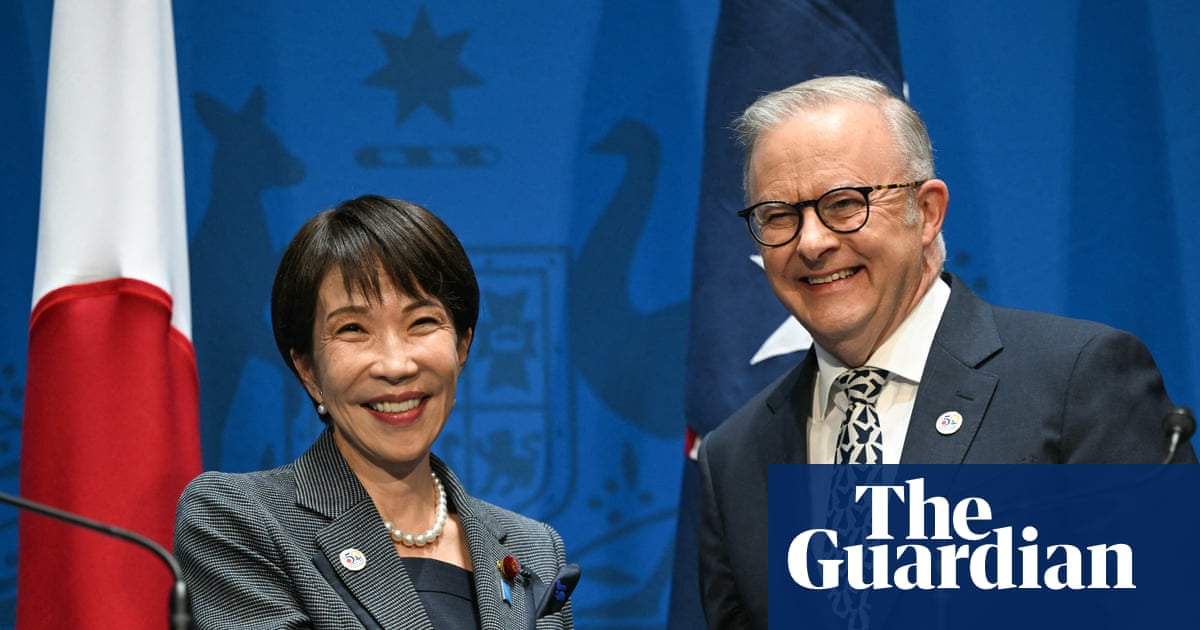
The short version
- Japanese officials have downplayed the controversy surrounding Australian Prime Minister Anthony Albanese's comments about a gift from Japanese leader Sanae Takaichi, stating they believe there was no ill intent.
- Opposition leaders are calling for an investigation by federal police into the apparent leaking of a diplomatic cable to the media, a move Labor ministers have dismissed as a political stunt.
- Prime Minister Albanese maintains he has nothing to apologize for, emphasizing that Australia prioritizes its national interest and strong bilateral relationships with key allies like Japan.
A diplomatic row involving Australian Prime Minister Anthony Albanese and his comments regarding a gift from Japanese leadership has been largely dismissed by Tokyo, despite intense scrutiny within Canberra. The Japanese ambassador to Australia, Kazuhiro Suzuki, issued a statement on Wednesday indicating that the Australian government had reassured him that the prime minister’s remarks were not made in the manner reported by media outlets. This intervention appears aimed at de-escalating what has become a significant domestic political issue in Australia, often referred to as 'melon-gate' within parliamentary circles.
The controversy stems from an interview Albanese gave in early July on the comedy podcast Bush Deep. During the discussion, he described receiving two Japanese melons from Sanae Takaichi, then the leader of Japan’s Liberal Democratic Party and a prominent political figure. While recounting the event, Albanese made hand gestures near his chest and remarked that she brought them 'as you do.' The host, Nikki Osborne, subsequently joked about Takaichi’s appearance, comparing her to actress Pamela Anderson. These comments were later amplified after a former Japanese ambassador, Shingo Yamagami, published a piece in The Australian newspaper claiming the prime minister had insulted Takaichi.
In response to the growing domestic criticism, the Coalition opposition has escalated its demands. Opposition leader Angus Taylor accused Albanese of making a significant error and called for an apology. More notably, senior shadow ministers Ted O’Brien and James Paterson have urged the Australian Federal Police to investigate the apparent leaking of a confidential diplomatic cable to The Australian. They argue that the disclosure of such correspondence undermines trust between allied nations and could constitute an unlawful act if it originated from within the prime minister’s office.
The diplomatic cable in question was reportedly sent by Japan’s government in July, shortly after the podcast interview aired. In the document, Tokyo expressed concern over sensationalized reporting in Australian media but clarified that they believed there was no malicious intent behind Albanese’s actions. The opposition has shifted its focus from the content of the comments to the mechanism of their release, framing the leak as a breach of diplomatic confidence. Paterson emphasized the importance of maintaining trust with close allies, suggesting that confidential communications should not find their way into public media without authorization.
However, Labor ministers have strongly rejected the call for a police investigation. Housing Minister Clare O’Neil characterized the referral to federal police as a 'silly political stunt,' arguing that the opposition has lost focus on substantive governance issues. Education Minister Jason Clare echoed this sentiment, dismissing the concerns as baseless and suggesting that the Liberal Party’s preoccupation with the matter demonstrates an inability to govern effectively. Both ministers defended Albanese’s conduct, framing the controversy as a manufactured distraction rather than a genuine diplomatic crisis.
Prime Minister Albanese has remained steadfast in his refusal to apologize. Speaking in parliament, he reiterated that Australia takes its international relationships seriously and always places national interest first. He described Takaichi as a good friend of Australia and noted that her visit in May was hosted in a relaxed atmosphere that helped build personal trust between the two leaders. Albanese pointed out that the Australian Federal Police is an independent body and would determine whether any investigation is warranted based on its own assessment of the facts.
The Japanese government’s response has been notably restrained. Until Wednesday, Tokyo had refrained from making public comments on the issue. Suzuki’s statement highlighted the positive nature of Takaichi’s previous visit and the dinner hosted by Albanese, suggesting that these interactions fostered a constructive relationship. By stating that they have been informed the comments were misrepresented, Japanese officials appear to be closing the door on further diplomatic friction. This stance contrasts sharply with the domestic political fervor in Australia, where the incident continues to dominate news cycles.
As the debate continues, the practical significance of the controversy remains unclear. While opposition figures argue that the leak of diplomatic cables sets a dangerous precedent for international relations, Labor maintains that the focus should remain on policy and governance rather than isolated remarks made in a casual interview setting. The Australian Federal Police has not confirmed whether it will open an investigation into the alleged leak. Until such a decision is made, the issue remains a point of contention between the governing party and the opposition, with little indication of immediate resolution.
The episode underscores the delicate balance between informal political communication and formal diplomatic protocol. In an era where podcasts and social media often blur the lines between private conversation and public record, leaders face increasing scrutiny for off-the-cuff remarks. For Albanese, the challenge lies in managing domestic political pressure while maintaining strong ties with key allies. For Japan, the priority appears to be preserving the broader strategic partnership rather than dwelling on a single misunderstood interaction. The coming weeks will likely see continued political maneuvering in Canberra, even as Tokyo moves on from the incident.
Ultimately, the 'melon-gate' saga highlights the divergent priorities of domestic politics and international diplomacy. While Australian politicians debate the propriety of comments and the legality of leaks, Japanese officials have signaled their willingness to look past the controversy. This divergence may serve to insulate the bilateral relationship from short-term political turbulence, but it also raises questions about transparency and accountability in government communications. As the dust settles, the focus may shift back to more substantive policy issues, though the incident is likely to remain a reference point in future political debates.
Sources behind this briefing
Go to the original reporting
- The Guardian World↗Japanese ambassador to Australia downplays Albanese melon gaffe as Taylor claims PM has ‘stuffed up’

