The short version
- Japanese Defence Minister Shinjiro Koizumi is visiting Australia to strengthen bilateral security cooperation and discuss the acquisition of Mogami-class frigates.
- The diplomatic engagement follows a period of tension caused by Australian Prime Minister Anthony Albanese’s podcast remarks regarding a gift of melons from Japanese Prime Minister Sanae Takaichi.
- Japanese officials have indicated a desire to avoid a major diplomatic incident, emphasizing personal trust and downplaying the controversy as misinterpreted media sensationalism.
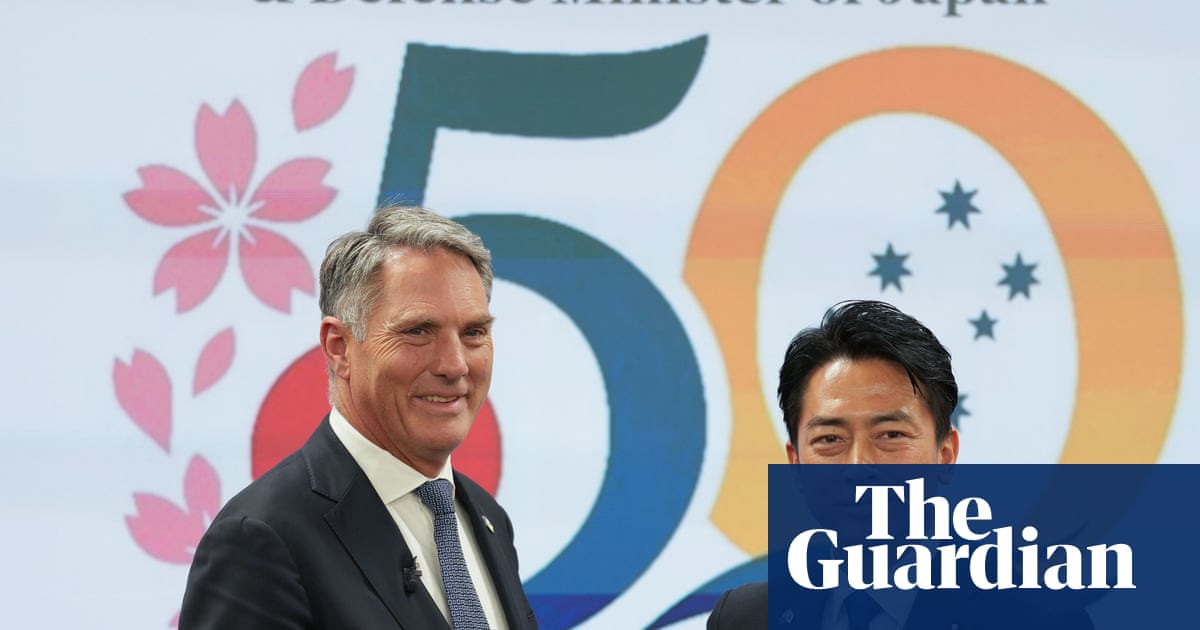
Japan’s defence minister, Shinjiro Koizumi, is traveling to Canberra this week for high-level talks with his Australian counterpart, Deputy Prime Minister Richard Marles. The visit represents a significant diplomatic effort to reinforce security partnerships between the two nations, focusing primarily on Australia’s planned acquisition of Japanese Mogami-class frigates. This engagement marks the most substantial interaction between the two governments since a recent controversy erupted over comments made by Australian Prime Minister Anthony Albanese regarding a gift presented by Japanese Prime Minister Sanae Takaichi.
The central agenda for Koizumi’s trip involves advancing defense cooperation initiatives outlined in a joint statement issued by both prime ministers in May. Discussions are expected to cover the co-development and production of defense capabilities, advanced weapons testing, and expanded training exercises. Additionally, the ministers will address strategies for increasing information and intelligence sharing. Marles has described the relationship as strengthening, expressing anticipation for welcoming Koizumi back to Australia to build upon these shared commitments to regional security.
The timing of the visit follows a week of intense scrutiny in Australia regarding Albanese’s appearance on the Bush Deep podcast last month. During the interview, Albanese discussed a pair of melons gifted by Takaichi during her earlier visit to Canberra. He made hand gestures near his chest while remarking that she had brought two items, a comment that host Nikki Osborne followed with a joke comparing Takaichi’s appearance to actress Pamela Anderson. These remarks sparked immediate criticism from political opponents and media outlets, who argued they risked damaging Australia’s vital relationship with a key Asian partner.
Albanese has maintained that his gestures and comments were misinterpreted and did not constitute innuendo about breasts. He faced days of backlash before insisting the incident was blown out of proportion by sensationalized reporting. The controversy also drew attention to a separate apology Albanese had issued for comments made about Australian singer Kylie Minogue during the same podcast appearance. Despite the domestic political pressure, the Australian government has sought to normalize relations with Tokyo through this upcoming ministerial engagement.
Japanese diplomatic channels have moved to de-escalate the situation rather than pursue formal grievances. A leaked diplomatic cable from July suggested that Tokyo viewed Albanese’s actions as lacking ill intention and attributed the uproar to exaggerated media coverage in Australia. On Wednesday, Japanese Ambassador Kazuhiro Suzuki released a statement that did not raise further issues with Albanese’s conduct. Instead, Suzuki highlighted the relaxed atmosphere of Takaichi’s May dinner with Albanese, noting that it helped build personal trust between the two leaders.
The diplomatic maneuvering occurs against a backdrop of political challenges for Prime Minister Takaichi in Japan. She has faced declining support in opinion polls and mounting criticism over policies addressing the cost of living. Meanwhile, Koizumi, who is considered a potential future prime minister given his father Junichiro’s tenure from 2001 to 2006, navigated his own diplomatic sensitivities by visiting the Yasukuni Shrine before departing for Australia. This visit drew criticism from China and South Korea, who view such pilgrimages as symbolic of insufficient remorse for Japan’s actions during World War II.
The defense cooperation being discussed is substantial in scope and financial value. In August of last year, the Australian Labor government agreed to purchase three Mogami-class frigates for the Royal Australian Navy. The deal involves a $10 billion expenditure spread over a decade, with the first vessel expected to be delivered by December 2029. This acquisition is part of a broader strategy to enhance Australia’s naval capabilities and deepen industrial ties with Japan.
Koizumi’s itinerary includes a stop in India following his time in Canberra, indicating a broader regional diplomatic tour. The focus on defense hardware and intelligence sharing underscores the strategic importance both nations place on their alliance. By proceeding with these talks despite recent friction, both governments signal a commitment to long-term security objectives over short-term political controversies. The outcome of these meetings will likely set the tone for bilateral relations in the coming months.
As the ministers meet, the emphasis remains on practical outcomes rather than revisiting past misunderstandings. The successful progression of frigate negotiations and enhanced security protocols would demonstrate resilience in the partnership. Both sides appear motivated to ensure that personal diplomatic incidents do not derail significant strategic investments. The visit serves as a test of whether institutional cooperation can withstand the pressures of public opinion and media scrutiny.
Looking ahead, the implementation of joint defense projects will require sustained political will from both administrations. The delivery timeline for the frigates extends well into the next decade, necessitating stable relations through multiple election cycles. The current engagement aims to lock in these commitments while navigating the complex geopolitical landscape of the Indo-Pacific region. Success in this area would reinforce the alliance’s capacity to respond to regional security challenges.
Sources behind this briefing
Go to the original reporting
- The Guardian World↗Japan’s defence minister heads to Australia to meet Marles in wake of melon-gate controversy

