The short version
- Adoption of heat-tolerant rice strains has surged, covering nearly a fifth of Japan's total rice acreage in the most recent reporting year.
- Saga Prefecture leads the transition, with new varieties accounting for over two-thirds of its rice production following successful trials of the hinatamaru strain.
- Persistent high temperatures continue to threaten traditional crops, causing grain quality issues and prompting warnings about long-term food security from environmental groups.
Japanese agriculture is undergoing a significant structural shift as farmers increasingly abandon traditional rice varieties in favor of heat-resistant strains designed to withstand the country’s intensifying climate emergency. This transition represents a critical adaptation strategy aimed at preserving the nation's staple crop against a backdrop of record-breaking temperatures and erratic rainfall patterns that have plagued the sector for several years.
The scale of this agricultural pivot has expanded dramatically in recent months. According to data from the agriculture ministry, heat-tolerant rice varieties now occupy 248,000 hectares of land, representing approximately 18 percent of the total rice crop. This figure marks a substantial increase from the previous year, when such strains covered only 42,000 hectares. The adoption has spread to all but three of Japan’s 47 prefectures, indicating a broad-based response to environmental pressures rather than an isolated regional experiment.
Saga Prefecture, located on Kyushu island in southwestern Japan, has emerged as a leader in this transformation. In this region, heat-tolerant varieties account for nearly 67 percent of rice acreage, significantly outpacing national averages. Neighboring Nagasaki and the western coast prefecture of Shimane have also seen substantial uptake, with adoption rates nearing 50 percent and 47 percent, respectively. These areas are at the forefront of testing new strains that can endure the stifling, dry summers that have become increasingly common.
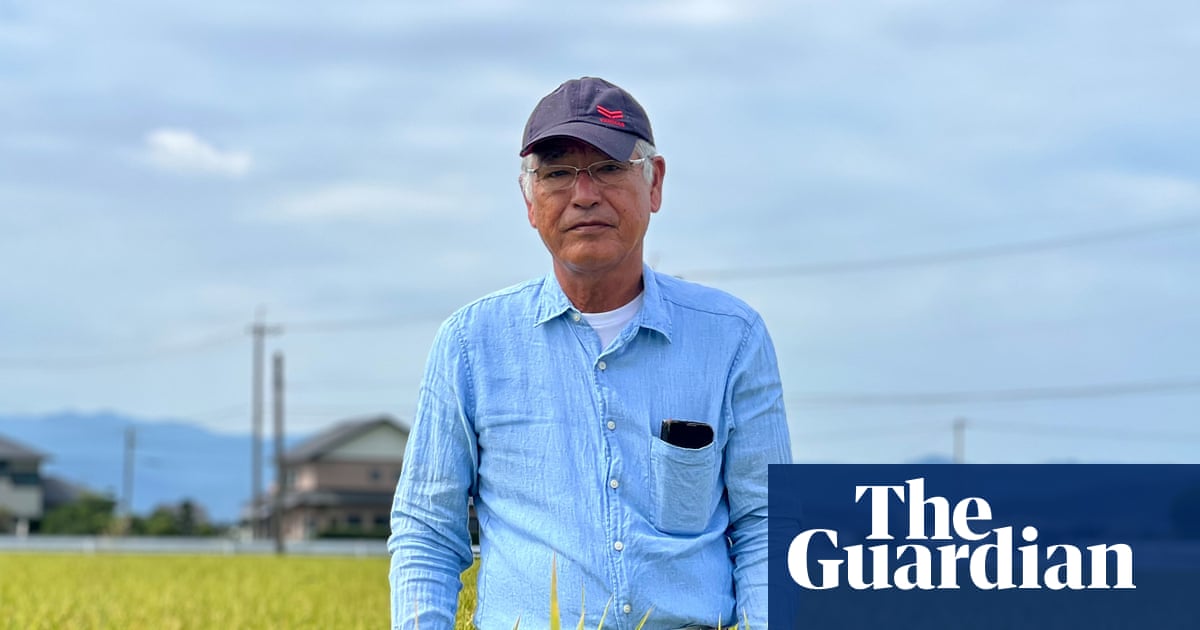
The driving force behind this shift is the hinatamaru variety, a rice strain developed through twelve years of research involving cross-breeding and controlled environment cultivation. After successful trials in 2024, the variety has gained rapid traction among farmers seeking reliable yields. Haruki Kawasaki, a farmer in Shiroishi, reported that his harvest of hinatamaru thrived despite another hot and dry summer, producing plump grains where traditional varieties would have failed. His experience reflects a broader trend of farmers finding renewed hope in these scientifically engineered solutions.
The necessity for such adaptation stems from the severe impact of extreme heat on rice physiology. When temperatures remain abnormally high after flowering, rice plants often produce immature, chalky grains that lack the translucency and starch content required for grade-one commercial sale. These inferior grains are also more susceptible to cracking during polishing, rendering them unsuitable for the domestic market. Over the past three summers, record heat and below-average rainfall have exacerbated these issues, forcing farmers to alter their working hours to avoid the most dangerous afternoon temperatures.
The consequences of failing to adapt have already been felt on a national scale. The extreme heat recorded in 2023 contributed to what officials termed the "Reiwa rice crisis" in the following year, characterized by severe shortages and price spikes. The government was compelled to release emergency stockpiles to stabilize the market, an unprecedented move that highlighted the vulnerability of Japan’s food supply chain. Farmers in Saga had sounded the alarm a decade earlier when poor quality yields caused prices to plummet, prompting local agricultural centers to prioritize heat resistance in their breeding programs.
Despite these advancements, significant challenges remain. Environmental advocates warn that individual farming innovations may not be sufficient to counter systemic climate disruption. Greenpeace Japan recently issued a report indicating that four iconic autumn crops, including rice and sweet potatoes, remain at risk due to prolonged exposure to high temperatures. The organization emphasized that while farmers are demonstrating ingenuity, the thermal limits of many agricultural hubs have already been exceeded, placing both crop viability and consumer prices under continued threat.
Regional disparities in adoption persist, particularly in northeastern Japan where farmers are historically accustomed to battling cold weather rather than heat. Uptake of new strains in these areas remains low, suggesting that cultural and climatic familiarity may slow the transition. As El Niño conditions are expected to bring even more extreme weather patterns, the pressure on agricultural officials to support widespread adaptation will likely intensify.
The meteorological agency has recently introduced a new category for days exceeding 40 degrees Celsius, labeling them as "cruelly hot" to reflect the severity of current conditions. This classification underscores the urgency facing the agricultural sector. With over fifty years of accelerating heatwaves pushing many regions past their thermal limits, the shift toward heat-resistant rice is not merely an experimental adjustment but a necessary defense of national food security.
Looking ahead, the success of varieties like hinatamaru will depend on continued research and broader dissemination across less adapted regions. While current data shows promising yields in pioneering prefectures, the long-term sustainability of these crops under increasingly volatile weather conditions remains uncertain. The coming seasons will test whether these new strains can consistently deliver quality harvests or if further innovation will be required to keep pace with a warming climate.
Sources behind this briefing
Go to the original reporting
- The Guardian US↗As Japan swelters, farmers turn to new heat-resistant rice varieties to boost staple crop

