The short version
- Jamaican directors are increasingly producing films that directly engage with the trauma and historical memory of colonialism.
- Experts describe this creative shift as a form of cultural reparation that reclaims narratives previously suppressed or avoided.
- International collaborations are helping to elevate local talent while moving away from exoticized tourist depictions of the island.
A significant transformation is underway in Jamaica’s film industry, where creators are moving beyond traditional storytelling to confront the island’s complex history of enslavement and colonial oppression. This shift is evident in recent high-profile productions that utilize supernatural elements to explore deep-seated historical trauma. Rather than treating the past as a distant backdrop, these works place the enduring legacy of colonial violence at the center of their narratives, reflecting a growing confidence among local artists to reclaim their own stories.
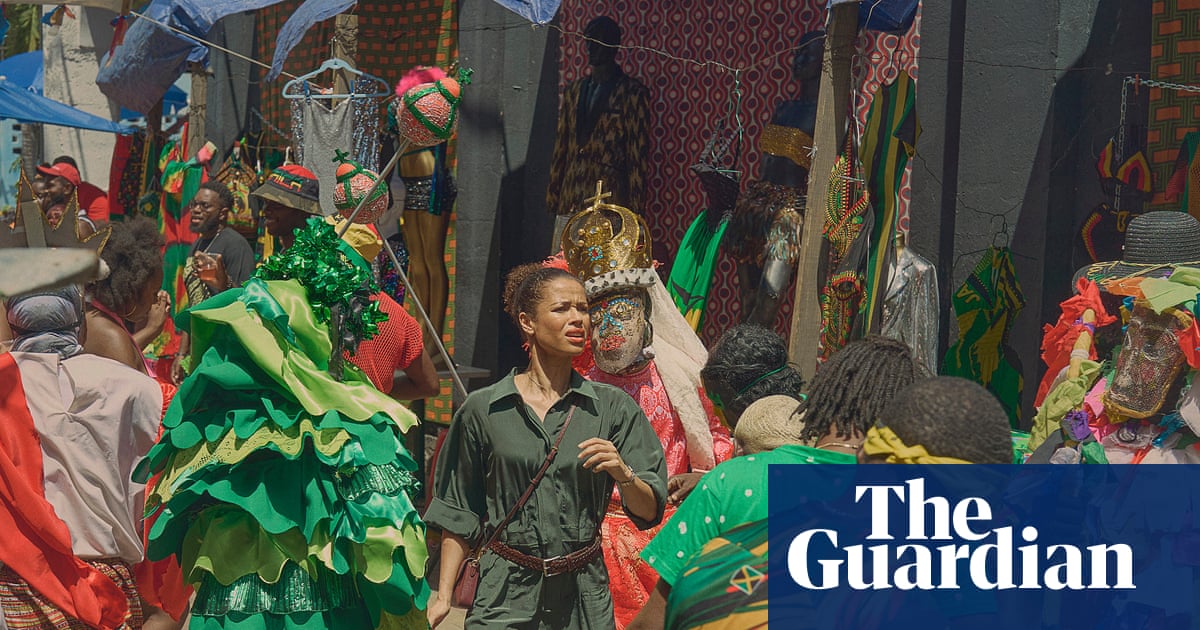
The Sky series Possession serves as a prominent example of this trend. The show follows a biracial British lawyer who travels to Jamaica to resolve an inheritance dispute, only to encounter a vengeful spirit linked to the brutal history of a plantation. In a pivotal scene, a character opens a three-century-old box, unleashing a violent entity that symbolizes the resurfacing of suppressed histories. Director Storm Saulter describes this moment as a metaphor for opening the lid on a horrible secret, allowing the spirit of colonial oppression to roar back into contemporary consciousness.
Saulter views his work as part of a broader political awakening in the region. He argues that long-held narratives about Jamaica’s past have proven false, prompting a search for truth among creatives and audiences alike. The series features a character who acts as a witness to centuries of brutality, forcing protagonists to reckon with the inherited trauma they carry. Saulter draws on his own upbringing in the countryside, where he was exposed to African-derived spiritualities and cultural practices, to craft stories that are both entertaining and socially impactful.
Academics and industry leaders see this creative evolution as a form of cultural reparation. Dr. Lisa Tomlinson, a film studies lecturer at the University of the West Indies, notes that Jamaican cinema is increasingly reflective of stories that were once considered taboo. She argues that reparation is not solely a political or financial act but also a cultural one. By expressing historical knowledge and spiritual traditions through art, filmmakers gain the authority to tell their own stories, educating the public in ways that politicians and scholars often cannot achieve.
This approach allows difficult histories to be explored without relying on dry academic formats. Saulter emphasizes that his goal is to take audiences on a journey rather than presenting talking heads or lectures. By embedding historical critique within thrilling supernatural plots, filmmakers can engage viewers while addressing serious societal issues. This method honors the long history of Black artists using creative expression as a tool for resistance and education, bringing greater attention to these efforts in the current cultural landscape.
The role of diaspora filmmakers is particularly significant in this shift. Unlike foreign productions that often use Jamaica merely as an exotic location, directors with Caribbean roots are moving away from tourist-gaze depictions. Instead, they are capturing everyday life and authentic experiences, ensuring that local perspectives drive the narrative. This change reflects a desire to move beyond stereotypes and present a more nuanced view of Jamaican society, one that acknowledges both its beauty and its painful history.
Industry officials observe growing ambition and confidence among Jamaican creatives. Jacqueline Jackson, Jamaica’s film commissioner, points to productions like Possession and Delroy Lindo’s Jabari’s People as evidence of this trend. While Jamaica is well-established as a destination for international shoots, there is a strong push for more local production and collaborations that enable Jamaicans to tell their own stories. These projects demonstrate the potential for global audiences when international financing and distribution unite with local creativity.
The engagement with Afro-spiritualist traditions in these films is also seen as part of a longer history of resistance. Dr. L’Antoinette Stines, a Yoruba priestess who advised on Possession, notes that Black people have long used the arts to fight for recognition and justice. While there is greater attention on these efforts today, they build on decades of work by academics, poets, and creatives who have sought to honor and preserve cultural heritage. This ongoing effort underscores the importance of authentic representation in shaping public awareness around historical reparations.
As Jamaican filmmakers continue to explore these themes, they are contributing to a wider conversation about the lasting disadvantages faced by Caribbean nations due to centuries of enslavement. The arts play a critical role in raising public awareness and fostering a deeper understanding of the past. By confronting taboo subjects and reclaiming suppressed narratives, these creators are not only entertaining audiences but also participating in a vital process of cultural healing and historical reckoning.
The success of these projects suggests that there is a growing appetite for stories that challenge conventional views of history and identity. As more Jamaican talent takes the lead in international collaborations, the industry is poised to produce even more content that reflects the complexity of the island’s heritage. This trend highlights the power of cinema to bridge the gap between past and present, offering new ways to understand and address the enduring impacts of colonialism.
Sources behind this briefing
Go to the original reporting
- The Guardian World↗‘Opening the lid of a horrible secret’: Jamaicans confront enslavement with taboo-busting stories on screen